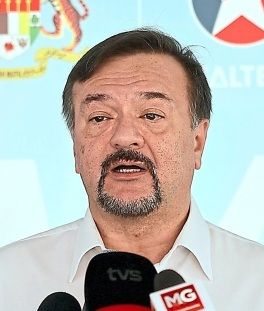
PUTRAJAYA: More than 30,000 people have applied for and received approval for an additional Budi Diesel quota, says Datuk Seri Amir Hamzah Azizan (pic).
The Finance Minister II said the facility was introduced following feedback from small traders, hawkers and service providers in rural areas who require diesel consumption beyond the original quota.
He said the improvement was among several measures implemented by the government to facilitate the implementation of Budi Diesel that has been expanded nationwide.
“Under this initiative, the quota was increased from 200 to 300 litres to meet the needs of those who use diesel in higher quantities.
“The government also allows the transfer of quota to immediate family members in cases such as vehicles used by parents but registered in the child’s name,” he told reporters after reviewing the implementation at a petrol station here yesterday, Bernama reported.
Amir Hamzah said as of July 1 more than 1,000 applications for quota transfers to immediate family members had been received.
He also said the price of Budi Diesel has been reduced to RM2.10 per litre as a result of savings from reduced diesel subsidy leakage.
“The implementation in Peninsular Malaysia through early access since June 27 has been going smoothly, benefitting almost 80,000 users.
“More than 700,000 users are expected to be eligible to participate in the programme nationwide,” he said.
The government, he said, would continue to improve the implementation of Budi Diesel from time to time to ensure the process is easier and smoother.
On another matter, Amir Hamzah said the engagement sessions for Budget 2027 were now officially underway with input being gathered from multiple ministries and locations across the country.
Amir Hamzah said the Finance Ministry together with the relevant ministries is actively conducting these sessions to shape the budget which is scheduled to be tabled in October.
“The government is taking a measured approach to ensure Budget 2027 stays firmly aligned with the nation’s broader policy direction.
“The budget continues to be anchored in the Madani Economy framework, boosting competitiveness while strengthening support and opportunity, to drive a more inclusive and sustainable growth,” he added.