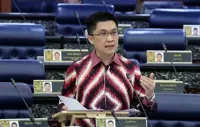
PETALING JAYA: Besides teaching vacancies that need to be filled, there is also a shortage of lecturers at the Institute of Teacher Education Malaysia (IPGM).
The Education Ministry told StarEdu that staffing requirements have yet to be fully met, despite efforts over the years to address the shortage.
“The IPGM carried out centralised recruitment of new lecturers from 2000 to 2022 to meet academic staffing needs across all IPG campuses. However, this method was still insufficient to address the growing shortage of lecturers.
“As such, recruitment authority was subsequently delegated to IPG campuses to allow for more flexible hiring based on local needs. While this approach resulted in an increase in the number of lecturers, it has yet to fully meet staffing requirements,” it said.
To address this need, the ministry said opportunities were opened to education service officers such as counsellors and management officers currently serving at IPG campuses to be appointed as lecturers.
“Although this measure helped improve staffing numbers, issues related to mismatches between areas of expertise and teaching requirements still persist.
“To overcome these constraints, efforts have also been made to expand lecturers’ body of knowledge through professional development programmes and specialised training for lecturers teaching outside their area of specialisation,” it said.
It added that the initiative aims to ensure lecturers are better equipped to meet teaching needs in the required fields more effectively.
Meanwhile, Teach For Malaysia (TFM) chief executive officer Chan Soon Seng said addressing the shortage of both teachers and lecturers goes far beyond simply filling vacancies.
He believes a larger challenge lies in reshaping how young people perceive the teaching profession itself.
“The reality is that teaching is not the profession of choice for our most competitive graduates,” he said.
Chan called on leaders across government, corporate Malaysia and civil society to play a more active role in positioning teaching as a respected and aspirational career path.
“To make it a profession of choice, leaders at the highest levels must consistently encourage our most promising young people to consider teaching as a career,” he said.
Chan, however, cautioned against lowering recruitment standards simply to address staffing shortages.
Instead, he stressed that recruitment efforts should prioritise candidates’ potential, capabilities and long-term commitment to the profession.
Drawing from TFM’s own experience, Chan said the organisation places strong emphasis on rigorously selecting, training and supporting high-calibre candidates from diverse backgrounds.
“The key to making this work lies in combining a highly selective recruitment process with strong ongoing training and support – from the pre-service stage right through the two-year teaching experience.
“Over time, we’ve found that the strongest candidates are first motivated by the desire to create an impact on others and are now much more intentional about how they use their time and talents in the most impactful way,” he added.