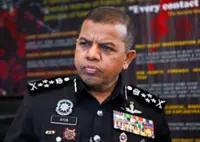
GEORGE TOWN: Disciplinary action was taken against 1,429 police personnel last year, including 134 sackings for corruption, extortion, causing injury, and drug-related crimes, says the Deputy Inspector-General of Police.
Tan Sri Ayob Khan Mydin Pitchay said the cases involved only 0.01% of the 130,000-strong force, but the impact on public confidence and national security was significant.
He said such cases must be addressed consistently and thoroughly, with those in senior positions to bear greater responsibility.
“We may have experience, resources and funding, but without integrity, all that has no value.
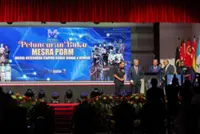
“Misconduct can no longer be concealed in today’s digital era, as a single mistake can be recorded, shared and viewed not only across Malaysia but around the world,” he said at the Crime Consciousness and Public Safety (CCPSS) Prime Forum held at a hotel here yesterday.
Besides the dismissals, 819 were given warnings, 211 were fined, 190 had emoluments forfeited, 18 had salaries suspended, 34 had reduced salaries, and 23 were demoted.
The highest misconduct was related to integrity, with 1,072 cases, followed by crime (98), drug abuse (95), governance (91), syariah (40) and corruption (33).
To enhance accountability, Ayob Khan stated that members of the public who are dissatisfied with the outcomes of internal investigations have the option to refer their cases to the Independent Police Conduct Commission for further examination.
He also said RM915mil worth of drugs were seized over the first quarter this year, against RM3.1bil throughout last year.
He said Malaysia was used as a key transit point for narcotics originating from the Golden Triangle and entering through northern Peninsular Malaysia.
Ayob Khan said enforcement has remained aggressive, with the narcotics department recording two to three successful operations weekly.
He said police were focusing on dismantling drug networks – from masterminds to transporters and processors – by invoking organised crime provisions, including the Security Offences (Special Measures) Act 2012 (Sosma).
“The traffickers exploit land, sea and air routes, mainly along the northern border, while porous entry points make enforcement challenging.
“Intelligence-led operations and cooperation with neighbouring countries remain critical in disrupting trafficking networks,” he said.