
Index insights will inform efforts to boost literacy
PETALING JAYA: Malaysia is taking a data-driven step towards building a stronger reading culture, with artificial intelligence (AI) and big data set to power the rollout of the National Reading Index (NRI) as the nation marks World Book and Copyright Day today on April 23.
National Unity Minister Datuk Aaron Ago Dagang (pic) said the use of emerging technologies will allow authorities to better understand how Malaysians read.
“With technologies like artificial intelligence and big data, we can analyse patterns, understand preferences and predict trends across different groups,” he said.
ALSO READ: An hour of reading before any screen time
Aaron added that such tools enable real-time insights, allowing policymakers to respond more effectively.
“Digital platforms and emerging technologies are transforming how we assess and understand reading habits, moving us towards a continuous data-driven system,” he said.
“Global frameworks like Programme for International Student Assessment (PISA) focus on how well students read, but Malaysia’s index looks at their habits, including behaviour, access and sociocultural factors,” he said.
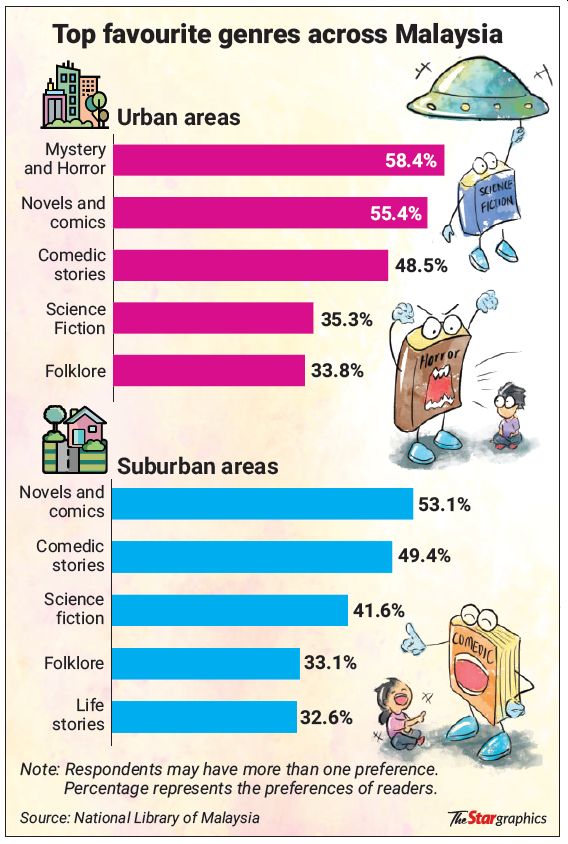
He added that while Malaysia performs below the Organisation for Economic Co-operation and Development average in reading comprehension, the new index aims to provide deeper insights into the root causes making it more relevant for national policy.
Research Division deputy director of the National Library of Malaysia Dr Adam Zulkarnain Saleng said the index which began in 2025 is being implemented in stages.
“It begins with discussions involving ministries, academics, libraries and industry players, followed by a study in 2026 focusing on developing and validating the methodology,” he said.
He added that it would involve a nationwide survey of about 1,200 respondents using a mix of face-to-face and online data collection.
Dr Adam said the findings will help identify gaps in access, motivation and literacy skills across different groups.
“This allows for more targeted programmes, better library services planning and stronger support for national policies such as the National Book Policy with updates at least every two years to track trends and measure its impact,” he said.
Malaysian Book Publishers Association president Sheikh Faisal Sheikh Mansor said reading habits may differ across income groups.
“Higher-income Malaysians may read more for leisure, while lower-income groups tend to read out of necessity, mainly for academic purposes,” he said, adding that the aim to increase in reading 24 books a year is a positive sign.