
SHAH ALAM: The cost of treating end-stage kidney disease in Malaysia has surged six-fold in just over a decade, placing mounting pressure on the nation’s healthcare system.
Health Minister Datuk Seri Dr Dzulkefly Ahmad said the country spent RM572mil on treatment in 2010 – a figure that has since ballooned to RM3.3bil annually.
“That is how much the cost has gone up,” he said at the World Kidney Day 2026 celebration, jointly organised by the National Kidney Foundation of Malaysia and the Malaysian Society of Nephrology (MSN) yesterday.
Amid rising costs, Dzulkefly said funds collected from the sugar-sweetened beverage tax have been channelled towards treating diabetes mellitus, while also helping to reduce complications linked to chronic kidney disease.
“This fund is fully utilised to finance sodium-glucose transport protein 2 inhibitors – highly innovative medications proven not only in treating diabetes but also lowers the risk of complications from chronic kidney disease,” he said.
To ensure long-term sustainability, the Health Ministry has also stepped up efforts to promote a “Peritoneal Dialysis (PD)-first” policy, encouraging eligible patients to begin treatment at home.
“This approach gives patients greater independence, reduces congestion at treatment centres and lowers healthcare costs.”
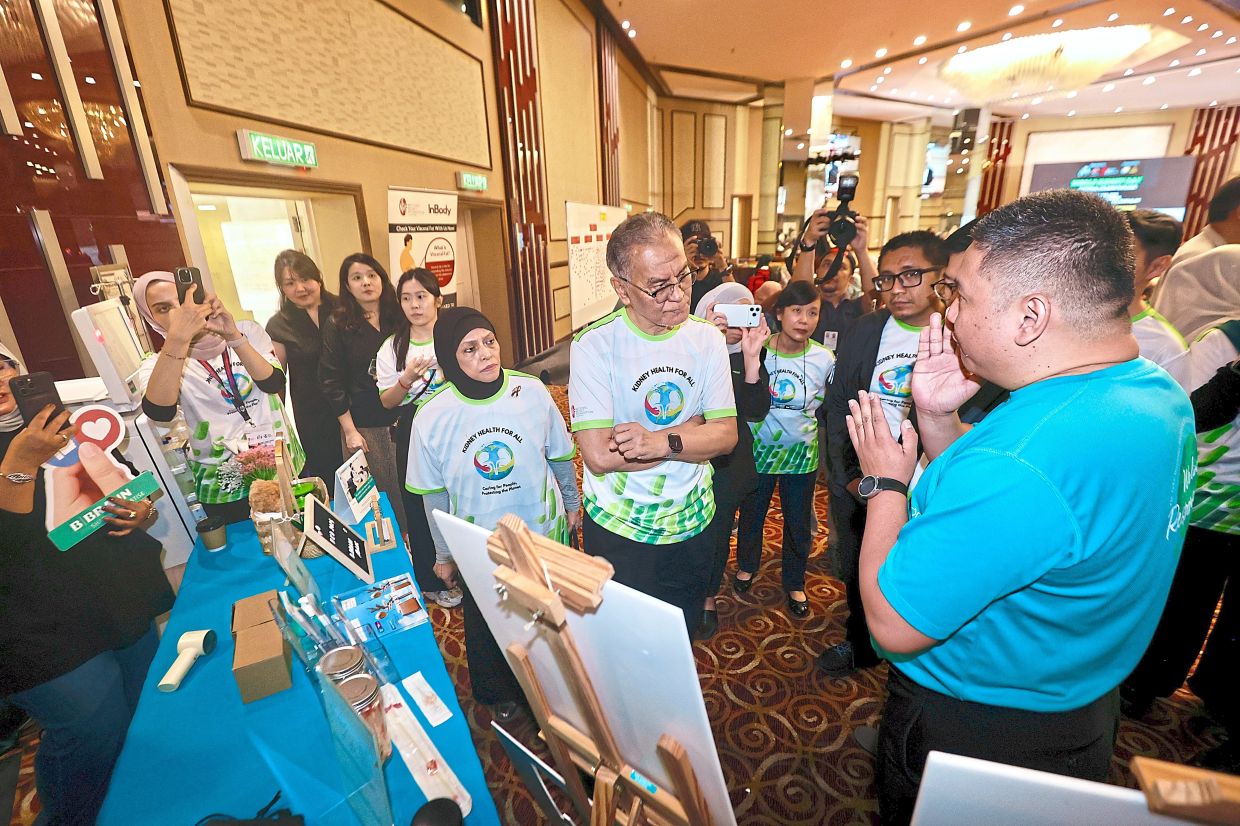
Dzulkefly said RM40mil has been allocated specifically for PD treatment in 2025, with uptake showing steady improvement.
“The percentage of patients undergoing PD at Health Ministry facilities has increased to 42% in 2025, compared to just 36.6% in 2020,” he said, adding that 3,161 patients have directly benefited from the treatment.
He also warned that, in the post-Covid-19 era, Malaysia is now grappling with a “pandemic” of non-communicable diseases, with kidney failure emerging as one of its most concerning outcomes.
Highlighting the environmental toll of dialysis as it is heavy on water use, Dzulkefly said prevention remains the most sustainable solution.
“The greenest form of dialysis is the dialysis we do not have to use,” he said.
Echoing this, MSN president Prof Dr Lim Soo Kun said sustainable kidney care is no longer optional, but essential.
“Kidney treatment, particularly haemodialysis, consumes vast amounts of water, energy and disposable materials, while generating significant clinical waste.
“It is estimated that about 250 litres of water are used in a single haemodialysis session. For 50,000 patients, total annual water usage exceeds two billion litres,” he said.
To put that into perspective, he said, an individual consumes about 60,000 litres of water in a lifetime.
“Two billion litres could supply a lifetime of drinking water for about 33,000 people.”