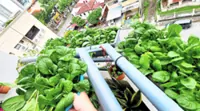
PETALING JAYA: With more Malaysians turning to growing their own food as a practical way to be more self-sufficient while keeping costs low, they are assured that anyone can become a home farmer.
Getting started is easier than many think, said Dr Putri Edaroyati Megat Wahab, a member of the Malaysian Society of Plant Physiology (MSPP).
“A space that gets at least four to six hours of sunlight a day is ideal, whether it is a balcony, rooftop or small yard,” she said.
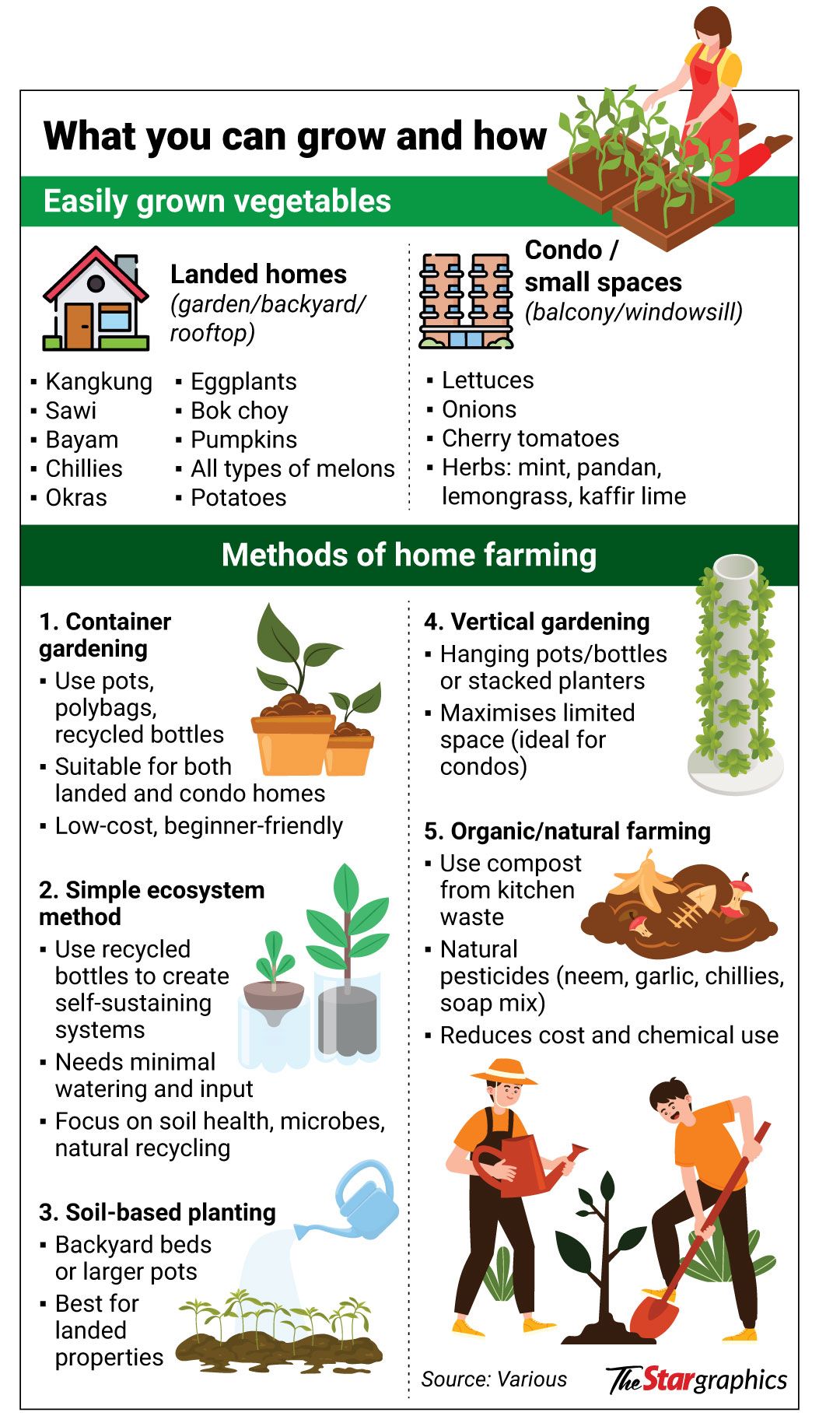
She encouraged beginners to start small with easy-to-grow vegetables such as kangkung, sawi and bayam, which thrive in Malaysia’s tropical climate.
ALSO READ : Home is where the farm is
“Containers can be made from recycled materials like plastic bottles or polybags. Soil and fertilisers are affordable and widely available, making it economical for beginners,” she said.
Putri Edaroyati said home farming offers both economic and lifestyle benefits, including reducing grocery bills and providing direct access to fresh, pesticide-controlled produce.
“It also promotes self-reliance and supports a healthier lifestyle, both physically and mentally,” she added.
However, she cautioned that beginners often make common mistakes such as starting too big or neglecting basic care.
“Start with five to 10 plants, choose crops suitable for the climate and maintain a simple monitoring routine. Even five to 10 minutes a day is enough,” she said.
For those seeking quick results, fast-growing crops are ideal, she said, pointing out that kangkung can be harvested within two to three weeks while sawi and bayam are also easy and fast-growing options.
She also stressed the importance of early pest control.
“Inspect plants regularly and use natural pest control products such as neem-based sprays or simple mixtures using garlic, chillies or soap,” she said.
University Putra Malaysia (UPM) associate professor in agronomy Prof Dr Martini Mohammad Yusoff said home farming can be adapted to almost any living space.
“Even a windowsill can work if it receives enough sunlight. Vertical gardening and planting in pots are practical solutions for small areas,” she said.
She advised beginners to start with two or three types of plants before expanding, recommending leafy vegetables as well as crops like chillies, okra and eggplant.
“Herbs such as mint, pandan, lemongrass and kaffir lime are also suitable as they are easy to maintain and commonly used in daily cooking,” she added.
Martini said home farming not only reduces household expenses but also strengthens food security.
“It ensures a consistent supply of fresh food and reduces dependence on market price fluctuations,” she said, adding that surplus produce can also be sold for extra income.
She said beginners often struggle with inconsistent watering, poor soil preparation and lack of monitoring.
“Plants need regular care. It is not a ‘plant and leave’ process. You must observe, adjust and learn over time,” she said.
She also encouraged the use of safer pest management practices, including organic fertilisers and natural pesticides, to reduce chemical exposure and maintain healthier crops.
Ecological gardener Ivan Ho said even something as simple as a recycled bottle can be used to start a home farming ecosystem.
“You can plant in a bottle, hang it vertically and let it sustain itself. It doesn’t require much watering or cost. It’s like having your own small ecosystem at home,” he said.
Home farming works best when treated as a self-sustaining ecosystem rather than a system dependent on constant input, he explained.
“When you build an ecosystem, you are not just growing plants, you are also creating life. You feed the soil, the microbes and even worms, and in return, the system feeds you,” he said.
Ivan added that many beginners make the mistake of relying too much on fertilisers and other products, which makes home farming less sustainable.
“People think they need to keep buying soil and fertiliser, but in nature, everything recycles. Once your system is stable, it can sustain itself,” he said.
Start by ensuring the soil is healthy, even if it means growing grass first as a simple test, he suggested.
“Once the soil is alive and stable, you can grow almost anything. After that, you just have to buy whatever seeds you want and watch them grow,” he said.