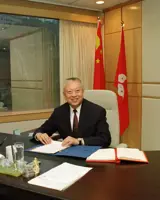
PUTRAJAYA: Flexible work arrangements, including work from home (WFH), can help ensure the continuity of government operations when facing unforeseen situations such as geopolitical conflicts, disasters and public health crises, says Tan Sri Wan Ahmad Dahlan Abdul Aziz (pic).
The Public Service director-general said Malaysia's experience during the Covid-19 pandemic showed that the public sector was able to adapt quickly through the use of technology and new working methods.
"That experience has helped shape more mature policies and better preparedness in dealing with unforeseen situations," he told Bernama when asked about the need to implement WFH for civil servants as a cost-saving measure amid the ongoing conflict between the United States and Iran, here Thursday (March 12).
Several Asean countries, including Thailand, Vietnam and the Philippines, have announced precautionary measures such as WFH to reduce energy consumption, while also encouraging the use of electric and hybrid vehicles.
The conflict in West Asia began on Feb 28 when the United States (US) launched attacks on Iran, which were later met with retaliatory missile and drone strikes by Tehran against US interests and its allies in the region.
The tensions have also affected global energy markets as the strategic Strait of Hormuz, which handles about 20% of the world's oil supply, has been disrupted following threats and actions by Iran to block shipping routes in the area.
The situation has caused global oil prices to fluctuate amid concerns over possible disruptions to energy supplies.
However, Wan Ahmad Dahlan stressed that flexible work arrangements must be implemented in a balanced manner and depend on the nature of each service.
"The main principle upheld by the Public Service Department (PSD) is to ensure that any form of work flexibility does not affect the efficiency of service delivery to the public," he said.
He added that PSD, as the central agency responsible for formulating policies and circulars related to human resource management in the public sector, has long adopted a proactive approach in introducing flexible work arrangements, including WFH, to ensure the public service remains responsive and resilient.
"In fact, the concept of WFH is not new in Malaysia's public service. Through guidelines and circulars issued by PSD, heads of departments are given the flexibility to implement such arrangements, including WFH for suitable tasks, without affecting service delivery to the public," he said.
He added that the approach is further strengthened through the Public Service Remuneration System (SSPA), which emphasises a more flexible, results-oriented work culture supported by digital technology.
Meanwhile, Communications Minister Datuk Fahmi Fadzil said the suitability of implementing WFH in the public sector would first be studied and may be discussed at the Special Cabinet Meeting Friday (March 13). - Bernama