PETALING JAYA: A RM300 monthly pass is a manageable amount for many commuters travelling daily between Johor and Singapore when the Rapid Transit Systems (RTS) link commences operations at the end of the year, says MCA president Datuk Seri Dr Wee Ka Siong (pic).
“I hope the government can consider offering a special monthly pass for those working in Singapore at a more affordable price, such as RM300 a month.
“I am confident this will alleviate the burden of Malaysians, especially daily commuters, while facilitating travel between Johor and Singapore and tackling traffic congestion at the same time,” he said in a Facebook post yesterday.
Dr Wee said authorities should take into account the economic impact when planning public transportation systems.
He noted that public transport systems are typically built to generate broader economic spillover effects, which is why they are subsidised or supported by the government.
“In this case, we should charge a reasonable fare and we will see a bigger impact on Johor,” he added.
On Feb 18, Transport Minister Anthony Loke told Sin Chew Daily that RTS fares, expected to range between RM15.50 and RM21.70 per trip, will likely be announced in the second half of the year.
He said the fares are jointly set by RTS Operations – a joint venture between Prasarana Malaysia Bhd and Singapore’s SMRT Corporation.
Responding to this, Dr Wee said cross-border commuters could end up paying more than RM1,000 a month if fares are set at the projected rate.
“I feel this cost is quite high, this means back and forth travel can come up to over RM40 a day, and for daily commuters, this amount can exceed RM1,000 a month,” he said.
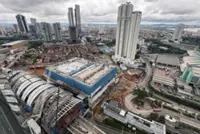
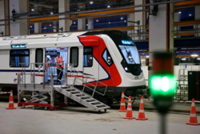
The RTS Link is expected to begin operations by year end. It is projected to carry 40,000 passengers per day in its initial phase, with daily ridership expected to grow to around 140,000 passengers – potentially accounting for 30% to 40% of Causeway traffic once the system matures.
The system will feature 100 immigration e-gate lanes at the Bukit Chagar Integrated Immigration, Customs and Quarantine Complex to streamline cross-border clearance.
It will also include 10 security screening lanes for body checks, 18 baggage scanners and dedicated lanes for passengers without luggage.