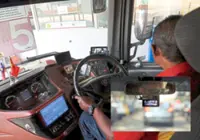
PETALING JAYA: Dashcams, which are currently optional vehicle gadgets, could serve as a powerful set of “eyes” and an unblinking witness not only to road accidents but also to a range of other incidents, including crimes, if made a standard accessory.
The push to make dashcams standard equipment, especially for e-hailing and commercial vehicles, is gaining momentum due to their ability to capture road accidents in real time.
The Vehicle Theft and Accident Reduction Council of Malaysia Berhad (VTAREC) has proposed a phased approach to dashcam adoption that could eventually see all new cars, including e-hailing and commercial vehicles, fitted with such devices.
VTAREC coordinator Mas Tina Abdul Hamid (pic) said dashcams are proving their worth in improving road safety, supporting enforcement and resolving disputes, particularly in hit-and-run cases.
ALSO READ : E-hailing group: Incentivise use of cameras
“Dashcams provide clear and undeniable evidence, capturing crucial details such as location, timing and the offending vehicle. This makes it easier to hold the responsible party accountable,” she told The Star in an interview.
Mas Tina said dashcams are a reliable device that reassures victims during untoward incidents, as they capture and document events in real time.
She said such footage also helps insurers and law enforcement resolve cases more efficiently.
Although its value is undisputed, she said that many motorists only consider installing dashcams after they are involved in an accident.
“Their real value lies in being installed early so they can record unexpected incidents, protect drivers from false claims and provide immediate evidence when it matters most,” Mas Tina said.
She said VTAREC is proposing a gradual rollout starting with commercial vehicles before extending it to all new private cars, followed by installation in existing vehicles within a reasonable timeframe.
ALSO READ : Calls to encourage dashcams in all vehicles
“This phased approach allows for smooth adoption and compliance and prioritises vehicles that spend the most time on the road. We believe the government is open to good initiatives that promote public safety and efficiency. Hence, we are confident this proposal will be given thoughtful consideration,” Tina said.
On concerns over the potential tampering of video footage with the advancements in artificial intelligence, Tina said such risks can be mitigated.
“With secure devices, proper data encryption and verified handling procedures, dashcam recordings can remain trustworthy and serve as reliable evidence for investigations,” she said.

However, Tina stressed that technology alone is not the ultimate solution.
“The best way to protect ourselves on the road is to take measures to prevent accidents. Dashcams are valuable, but their role is secondary to safe driving behaviour,” she said.
She called on motorists to adopt a mindset of shared responsibility by obeying traffic rules, wearing seatbelts and helmets and ensuring their driving licences, motor insurance and road tax are valid.
“Safer roads start with a shift in attitude. In the event an accident occurs, it is important the party at fault takes responsibility in ensuring a victim is covered by insurance for all required medical attention and vehicle repairs,” she said.