Blending tradition with innovation, fashion is proving that heritage can be both preserved and reimagined for the future.
While some international brands have faced criticism for appropriating cultural designs, Malaysians approach it with greater respect.
They draw inspiration from their roots while being mindful of the nuances involved.
“I don’t treat traditional fabrics or silhouettes as trends. I treat them as stories,” says Natasha Khan of the Nkhan label.
“Whether it’s weaving, fabric dyes, batik, songket or even a classic kebaya structure, I look at how each element can live on in a new context without losing its soul.”
Natasha’s collection at the recent Kuala Lumpur Fashion Week explores heritage textiles through the lens of Malaysian identity.
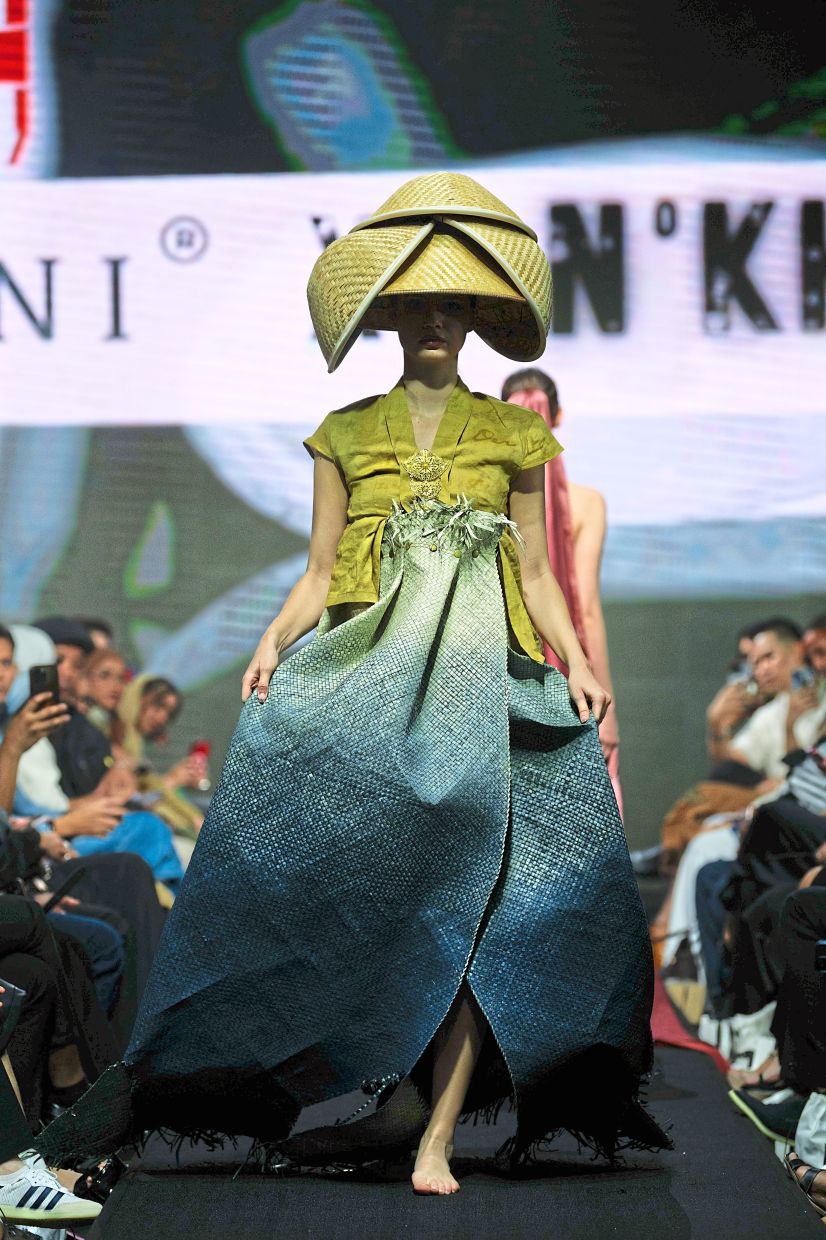
According to her, it is possible to be rebellious yet respectful.
“Through fashion, I document our identity, challenge colonial imprints, and make space for future generations to see themselves in something powerful,” Natasha explains.
She also says that designers can preserve heritage, but not stay frozen in time.
“Innovation comes when you honour your roots while daring to reframe them.”
She does this by experimenting with form and function, but staying intentional with classic fabric choices.
“I always say that tradition isn’t old, it’s just waiting for a new voice,” Natasha enthuses.
For Syomirizwa Gupta, he avoids modernising heritage pieces in an overt or heavy-handed way.
“Now, it’s more about the feelings and emotions you experience when you see or wear a certain design,” he shares.
For him, the process must start with understanding the subject itself first.
“At the end of the day, it’s still about being respectful. The next step – and the simplest way – is to adapt traditional elements with current silhouettes and colours to keep them relevant,” he explains.
“My other favourite approach will always be to talk to an individual that has a personal relationship to a certain culture.”
Syomirizwa believes that preserving and reinterpreting cultural designs is a creative obligation for designers.
“It’s my responsibility to spark dialogue through my work with fashion and textiles, because life should be rich not only on the surface, but also within our souls,” he points out.
The founder of Wynka, Karen Lau, strives to create pieces that embody the identity and story of Borneo.
She recalls collaborating with Penan women to design modern totes that pay tribute to their traditional woven baskets.
“It means a lot to me because I grew up surrounded by this heritage, yet I see how easily it can fade if it doesn’t evolve,” says Lau, who hails from Sarawak.
“Whether it’s vibrant woven fabrics, intricate beadwork, or playful prints, I believe these details bring out the soul of each piece and reflect the lively spirit of Bornean culture.”
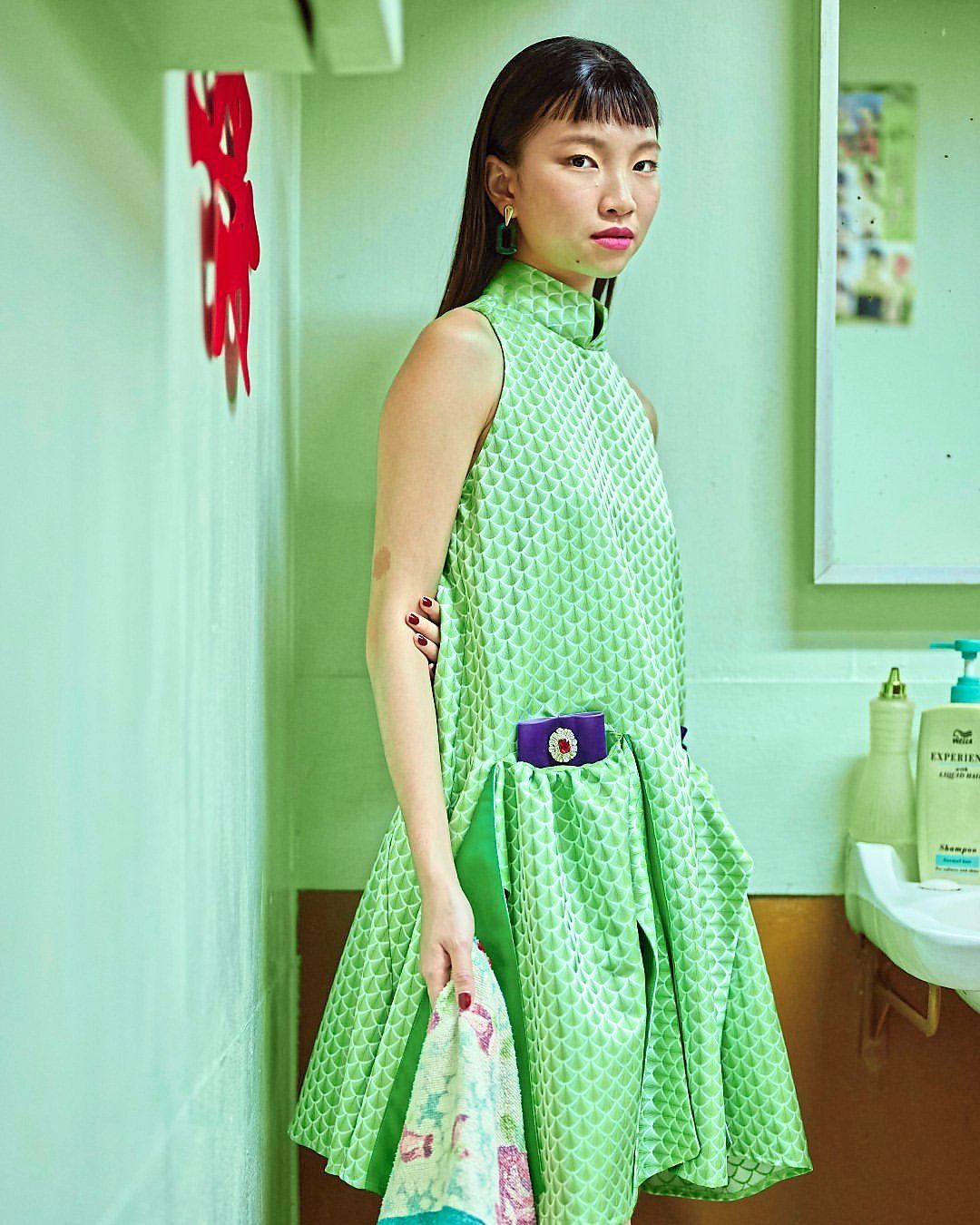
She has also released designs that play on the classic cheongsam silhouette for Chinese New Year.
“My designs are very modern and wearable, but they always carry a touch of culture in them,” Lau shares.
“It makes me happy to see how these pieces, with their cultural essence, fit beautifully into people’s lives and special moments. It shows that our heritage can truly shine anywhere when presented with confidence and style.”
She goes on to say that her customers often wear them to weddings, parties and other gatherings – not just cultural festivities.
There are also Malaysian designers who embrace a more avant-garde aesthetic, yet still manage to include traditional local elements into their creations.
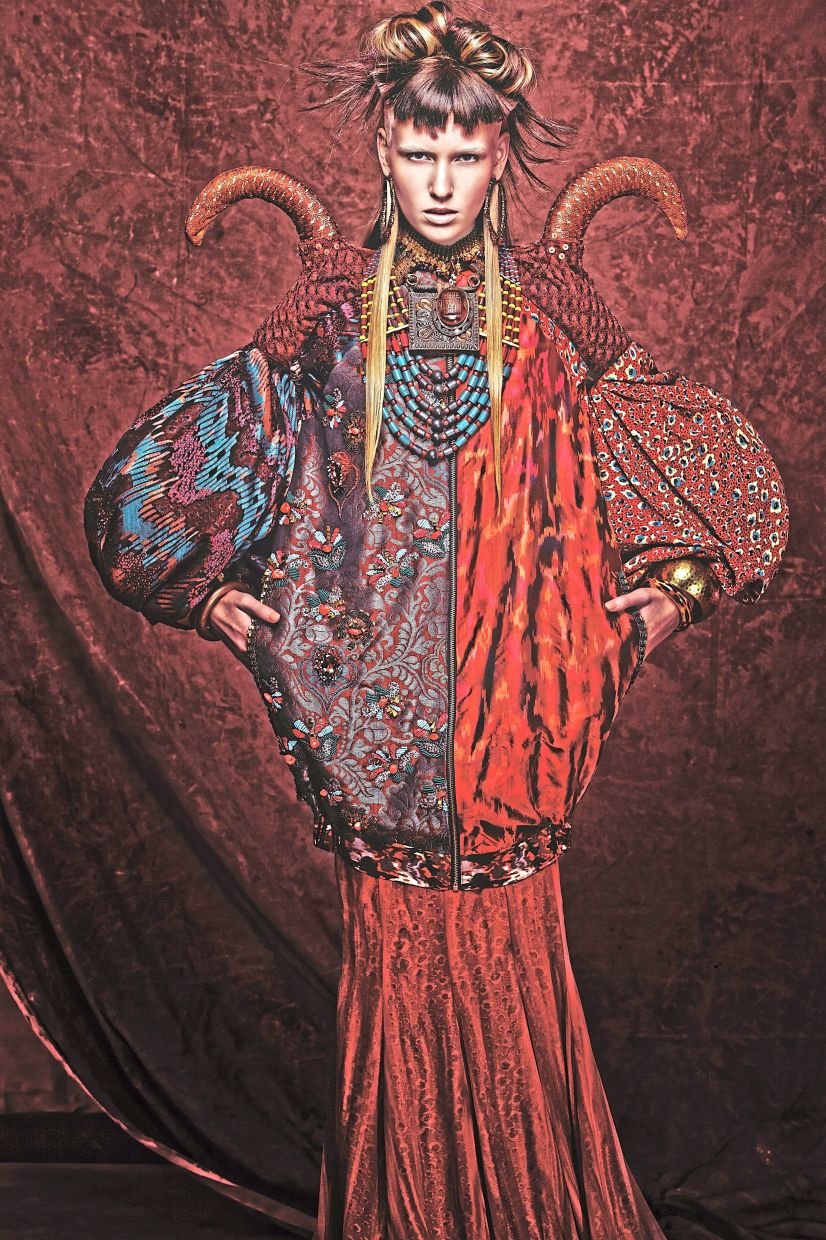
“I have a deep love for Malaysian handmade textiles, and they’ve become an essential part of my creative journey,” says Melinda Looi.
“From batik, songket, tenun, keringkam to rattan, I enjoy ‘weaving’ these rich traditions into my designs. Each piece carrying the soul of our heritage.”
Like her peers, she is not afraid to experiment – whether it is with modern cuts, bold styling, or combining it with unexpected materials.
Looi claims that the younger generation has always been super open and excited about traditional fashion – as long as it feels “fresh”.
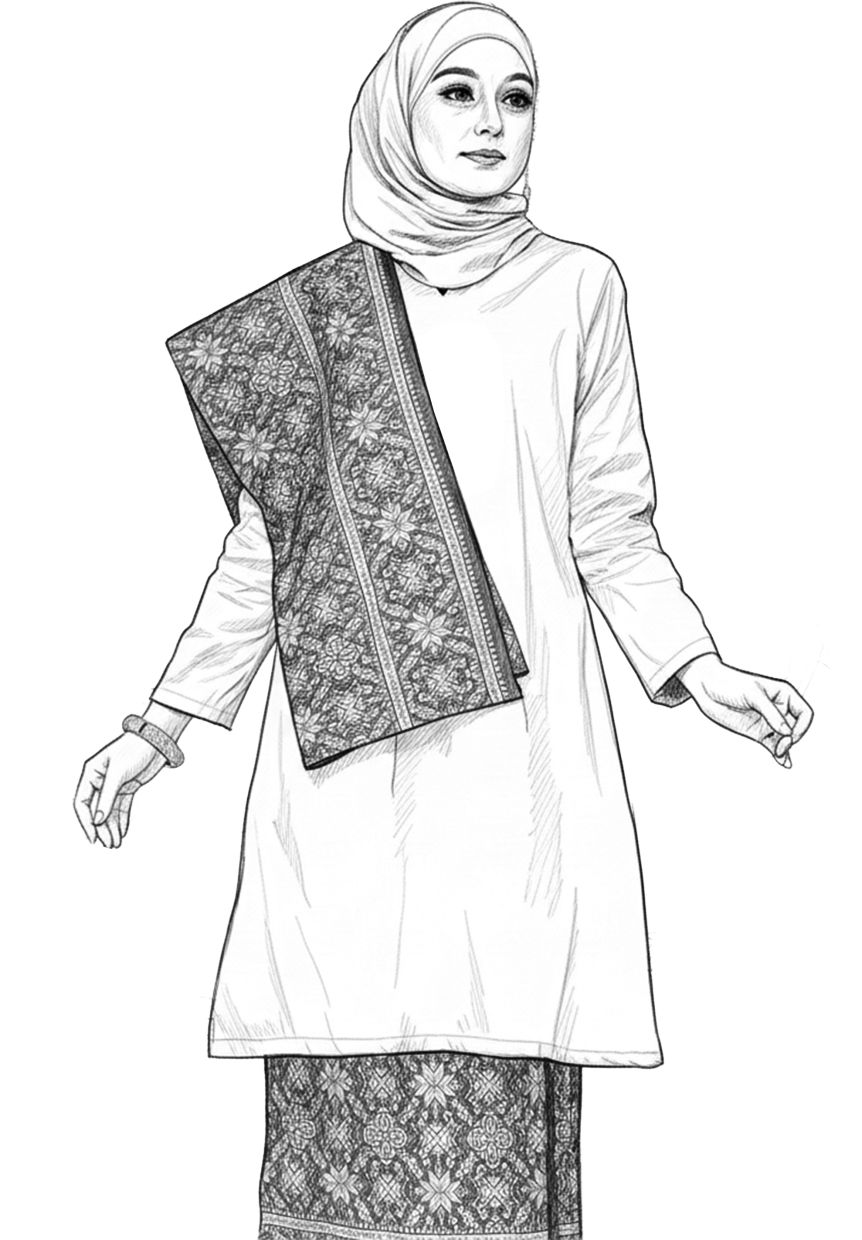
“They’re proud to wear their culture, but they want it to feel in the ‘now’, not old-school,” she adds.
Based on the experience with her four kids, she has learned to really think outside the box. Yes, they do wear her designs.
“I still use all the heritage fabrics I love, but I play around with the cuts, colours and styling to make it feel fun and wearable for them,” Looi says.
She has even created a couture collection that meshes modern art with Malaysian textiles.
It incorporates doodles by her teenage daughter, Maya, but brought to life on luxurious fabrics like batik and songket – showing how heritage can be reinterpreted through younger eyes.
This proves how the old and new can coexist – where traditional craftsmanship meets modern design, and where heritage resonates with both the older generation who lived it and the younger generation eager to reinterpret it.
“She loved how her work can blend so well with Malaysian traditional textiles and crafts. She felt so much pride in those designs,” Looi concludes.
Click here to read more StarSpecial stories.