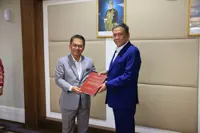
KOTA KINABALU: An integrated habitat restoration effort within the Mount Wullersdorf-Ulu Kalumpang Forest Reserves in Kunak on Sabah’s east coast has earned conservators recognition.
The Ecosystem Restoration Field Verification Certificate was awarded to World Wide Fund for Nature (WWF) Malaysia in its collaboration with the Sabah Forestry Department (SFD).
Their efforts have been recognised for meeting international standards in forest restoration and climate resilience.
WWF-Malaysia and SFD said in a joint statement that this globally-recognised standard evaluates on-the-ground restoration efforts, ensuring compliance with best practices in sustainability and environmental recovery.
WWF-Malaysia said through targeted restoration efforts, the 276ha site is helping to reconnect fragmented forest areas and enhance ecological connectivity across the landscape.
These natural linkages are critical for the movement and survival of endangered wildlife, such as orangutans and banteng, allowing them to access food sources, breeding grounds and safe migration routes.
“SFD applauds the collaboration to restore Mt Wullersdorf and Mt Wullersdorf-Ulu Kalumpang as part of a broader strategy to reconnect and protect the surrounding forest reserves,” said Sabah chief conservator of forests Datuk Frederick Kugan, adding that these initiatives are vital for biodiversity and ecosystem services.
Alexander Yee, trustee of WWF-Malaysia, said the restoration of Mount Wullersdorf-Ulu Kalumpang is part of a broader, multi-stakeholder initiative aimed at enhancing forest connectivity and resilience in Sabah’s biodiverse landscapes.
The certification recognises the collective efforts of government agencies, civil society and corporate partners working together to rehabilitate degraded areas, support local livelihoods and promote sustainable land management practices, he said.
“Supported by WWF and Unilever, this project demonstrates the effectiveness of the living landscape approach, which brings together science, community, and sustainability to drive impact – not just in one site, but across entire landscapes,” Yee added.