
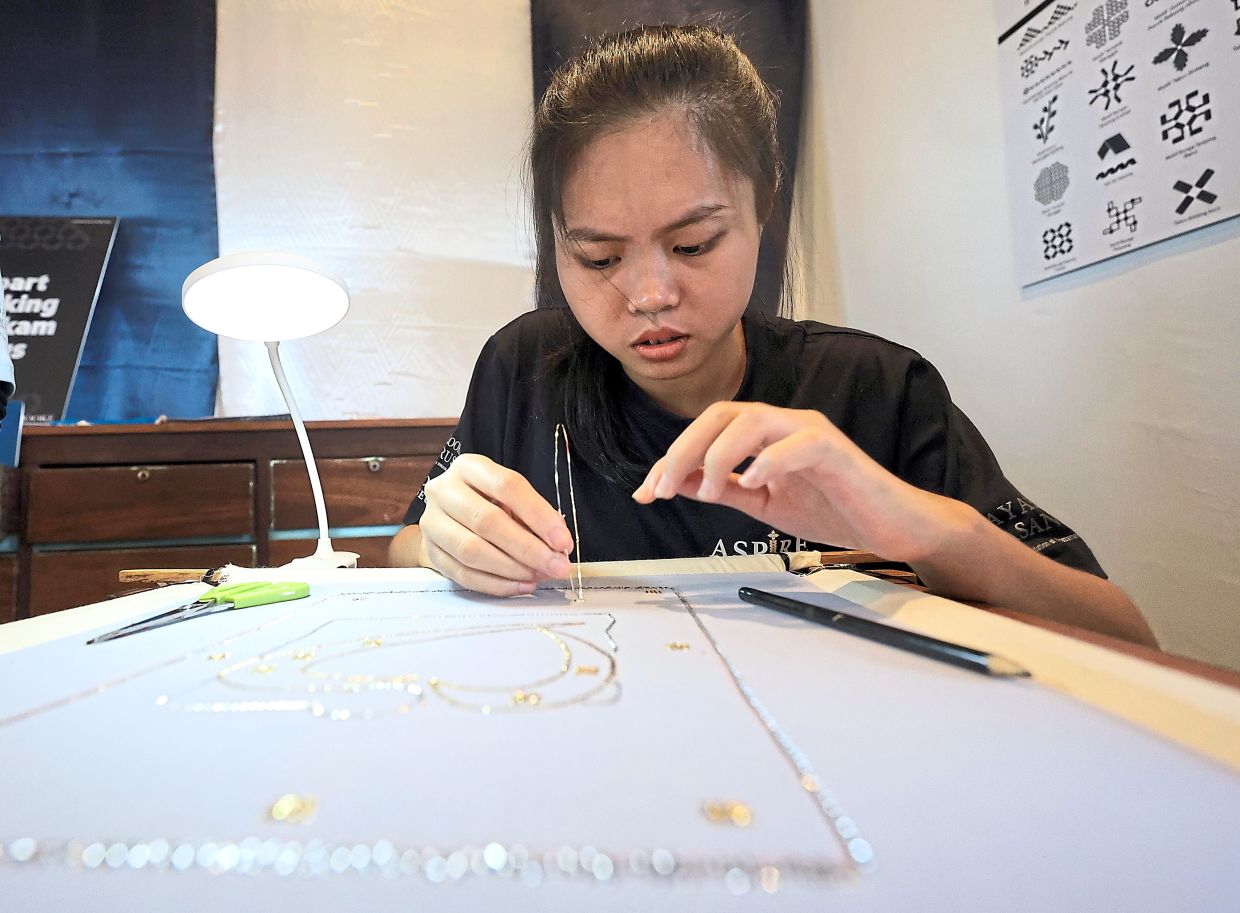
FORMER Taman Seri Puteri inmate Vivi Cecilia Clayment Chua has found new purpose in life through keringkam, Sarawak’s ancient craft of gold thread embroidery.
The 18-year-old was among 42 trainees who recently graduated from the Aspire programme – a youth development initiative aimed at both preserving keringkam embroidery and empowering young people in juvenile institutions.
The programme was launched in June 2023 by Brooke Museums – which runs the Brooke Gallery and Ranee Museum in Kuching – with support from Yayasan Hasanah.
Over 24 months, participants from Sekolah Henry Gurney, Sekolah Tunas Bakti and Taman Seri Puteri learned keringkam embroidery under the guidance of master artisans.
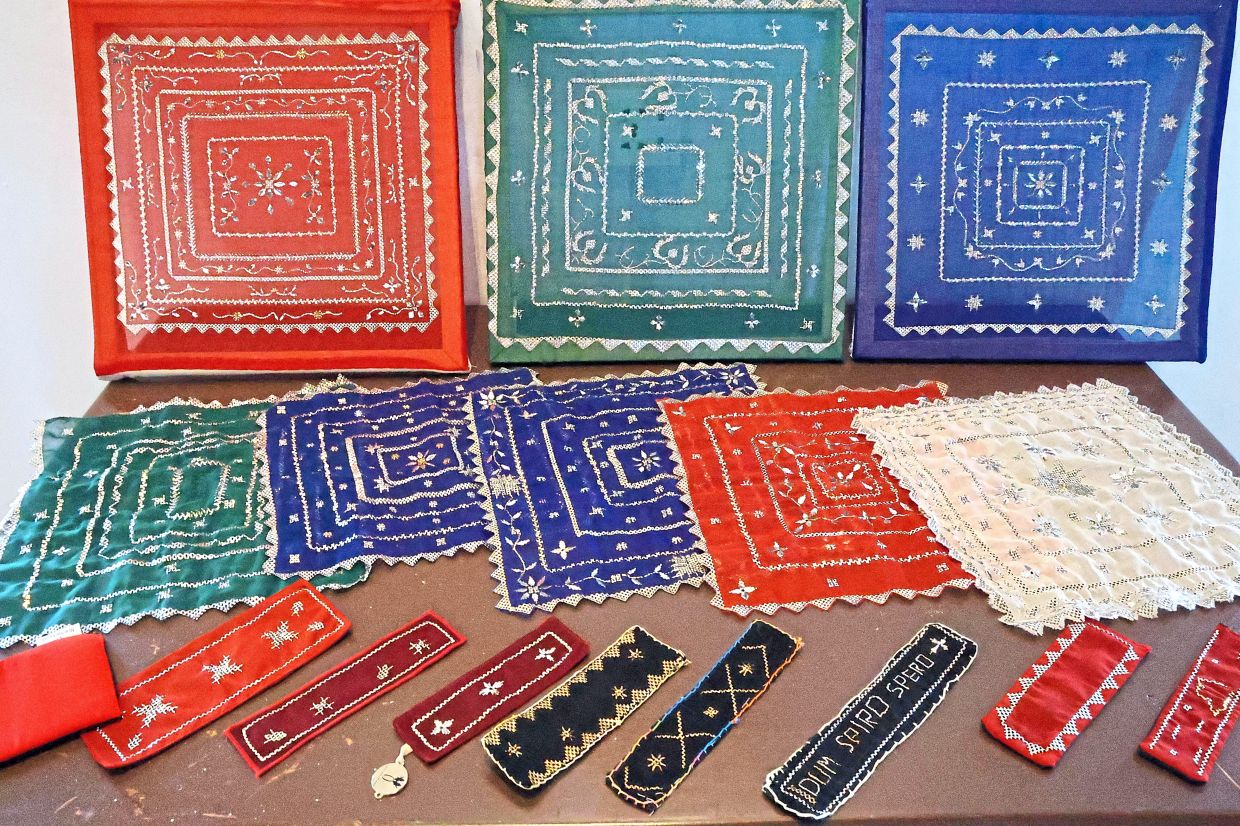
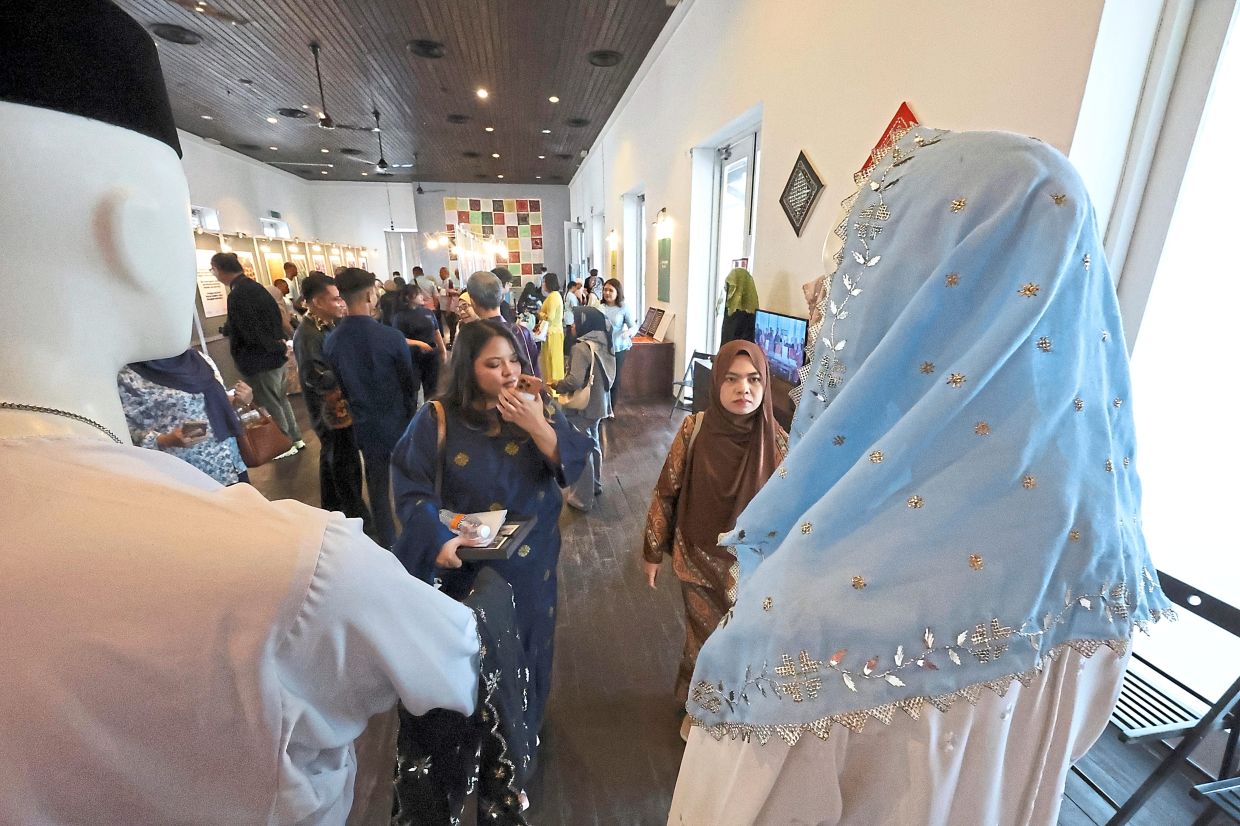
They also took part in heritage, preservation and entrepreneurship workshops, as well as community outreach and exhibitions.
Vivi, who comes from Mukah, is a shining example of the programme’s success.
“Learning keringkam was difficult at first. You need to count the fabric threads carefully to place the stitches correctly,” she said.
“After over a year of training, I really enjoyed it because I could see my progress. I started by learning basic stitches like tali air biasa, tali air gunung and tali air kaki lipan, before moving on to the bintang and bunga stitches.”
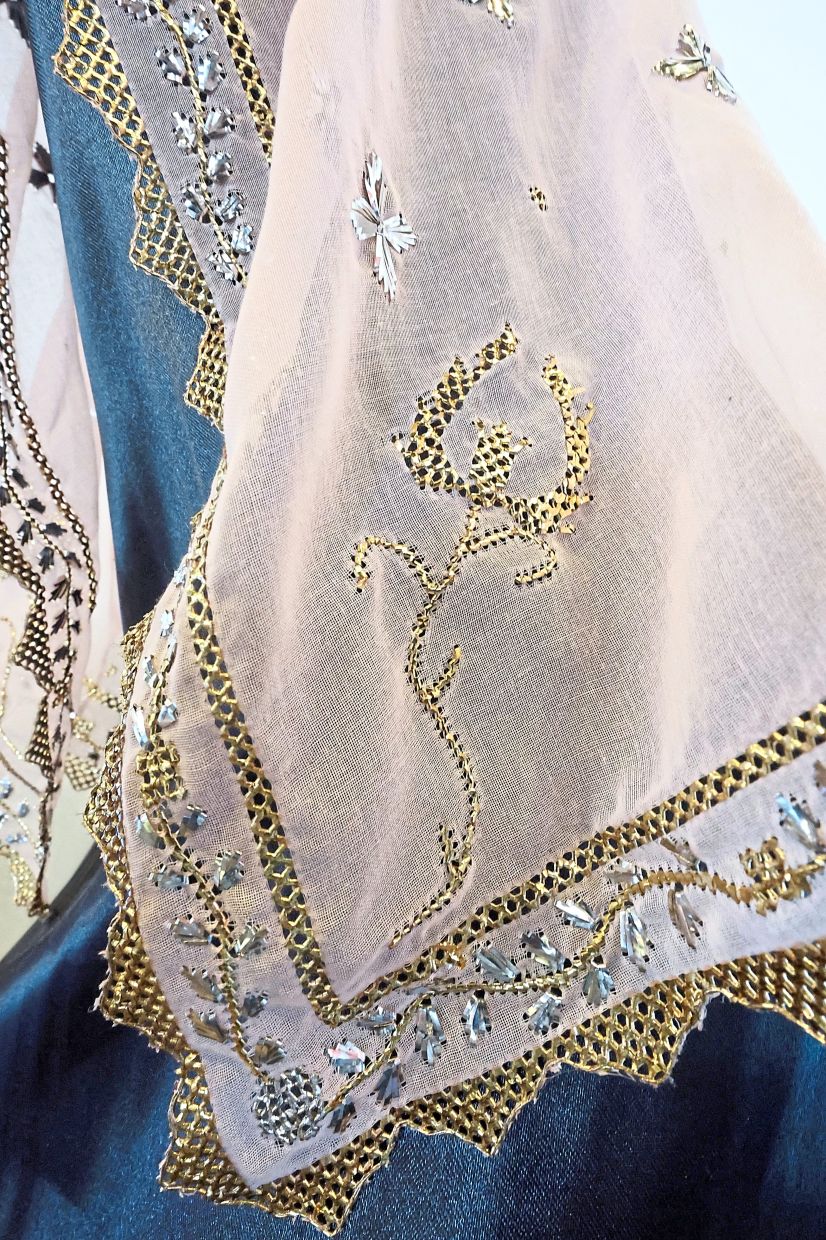
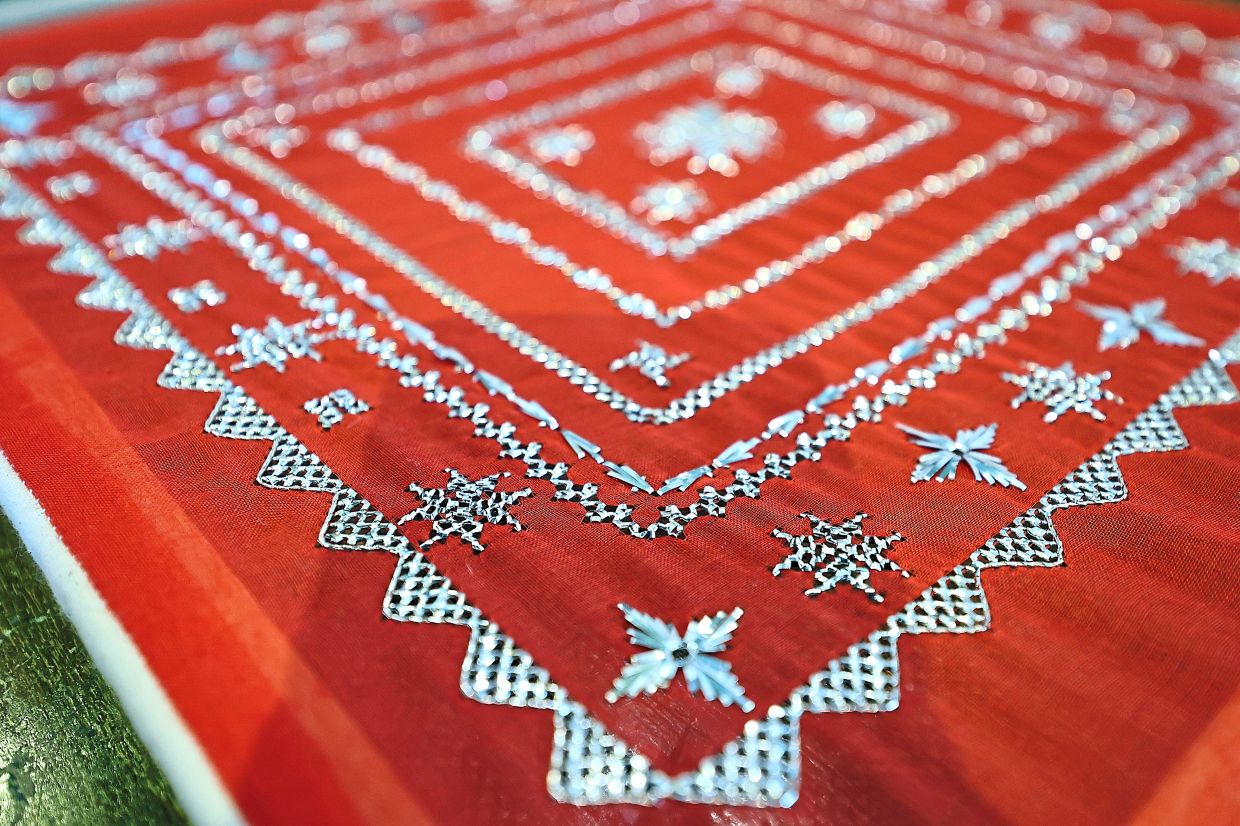
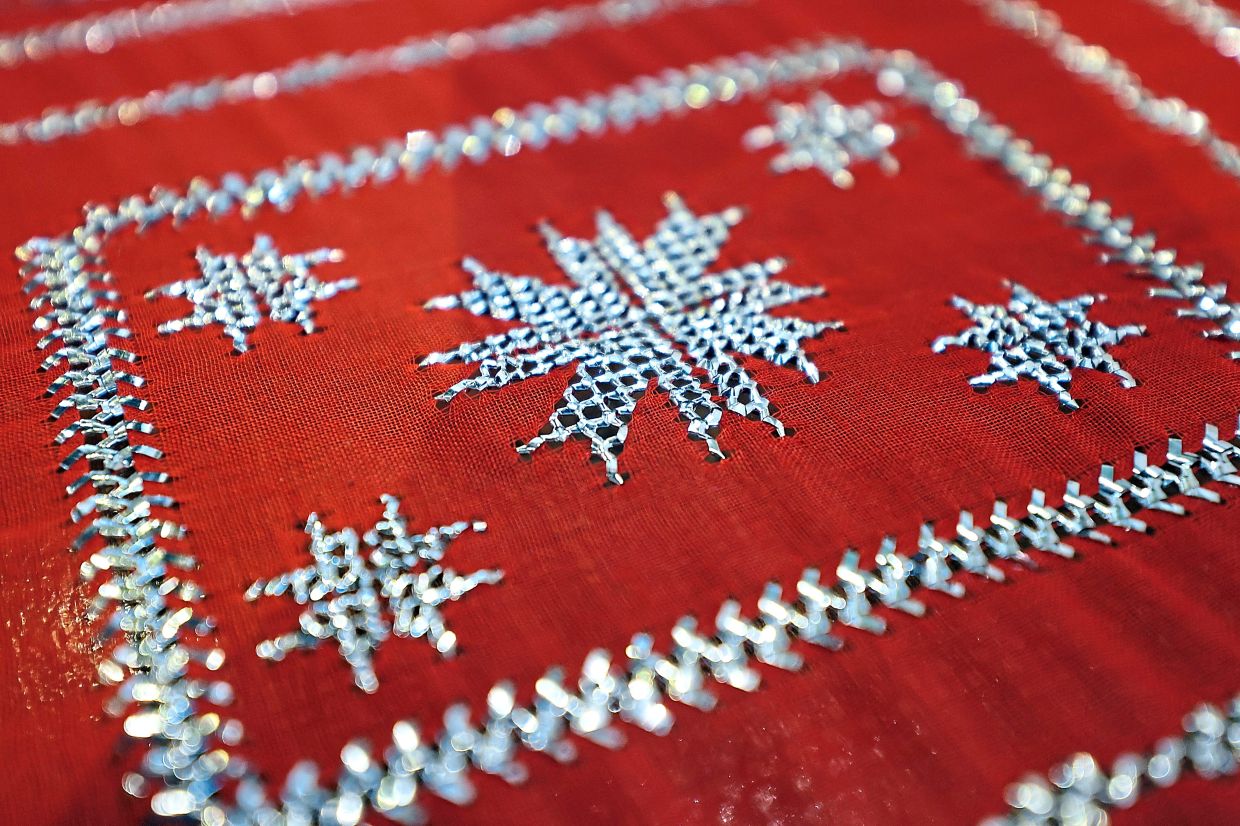
Keringkam features intricate designs embroidered by hand on delicate fabric using gold or silver thread.
The tali air (water canal) is a basic border motif that can evolve into more complex designs like tali air kaki lipan (centipede legs) and tali air gunung berkaki, inspired by mountain ranges. The bintang (star) and bunga (flower) motifs also come in many varieties, traditionally stitched on scarves and shawls.
“After mastering the different stitches, I can come up with my own designs now. I can also use the keringkam technique to embroider logos and words,” Vivi said.
Beyond gaining a new skill, she said the Aspire programme gave her the confidence to pursue her studies while continuing to make keringkam in her free time.
She is now an intern at Brooke Museums after being released from Taman Seri Puteri in April, and will begin studying information technology at Kolej Komuniti Sarikei next year.
“I hope to continue making keringkam. If possible, I’d like to start my own business after that,” she said.
Vivi added that the programme opened her eyes to the importance of cultural preservation.
“I had seen this embroidery before but I didn’t know it was called keringkam until I started learning it through Aspire,” she said.
“Learning keringkam is a way to preserve this craft among the younger generation like us. It’s rare to see young people doing keringkam – it’s usually older people.”
Brooke Museums director Jason Brooke said Aspire was launched with the belief that keringkam could offer a connection between heritage and hope – offering not just beauty, but purpose.
“Our graduates have made that belief real,” he said at the graduation ceremony. “Over the course of this programme, you’ve learned more than embroidery – you’ve learned patience, creativity, focus and pride.
“You’ve shown that heritage is not something to be stored away – it’s something that lives and breathes through the hands and hearts of those who carry it forward.”
State Tourism, Creative Industry and Performing Arts Minister Datuk Seri Abdul Karim Rahman Hamzah praised the programme as a noble effort to equip the participants with skills to lead meaningful lives after leaving juvenile institutions.
“With this certificate, you have the opportunity to make a living and be independent. You can start a business or work with agencies and organisations that need your skills,” he told the graduates.
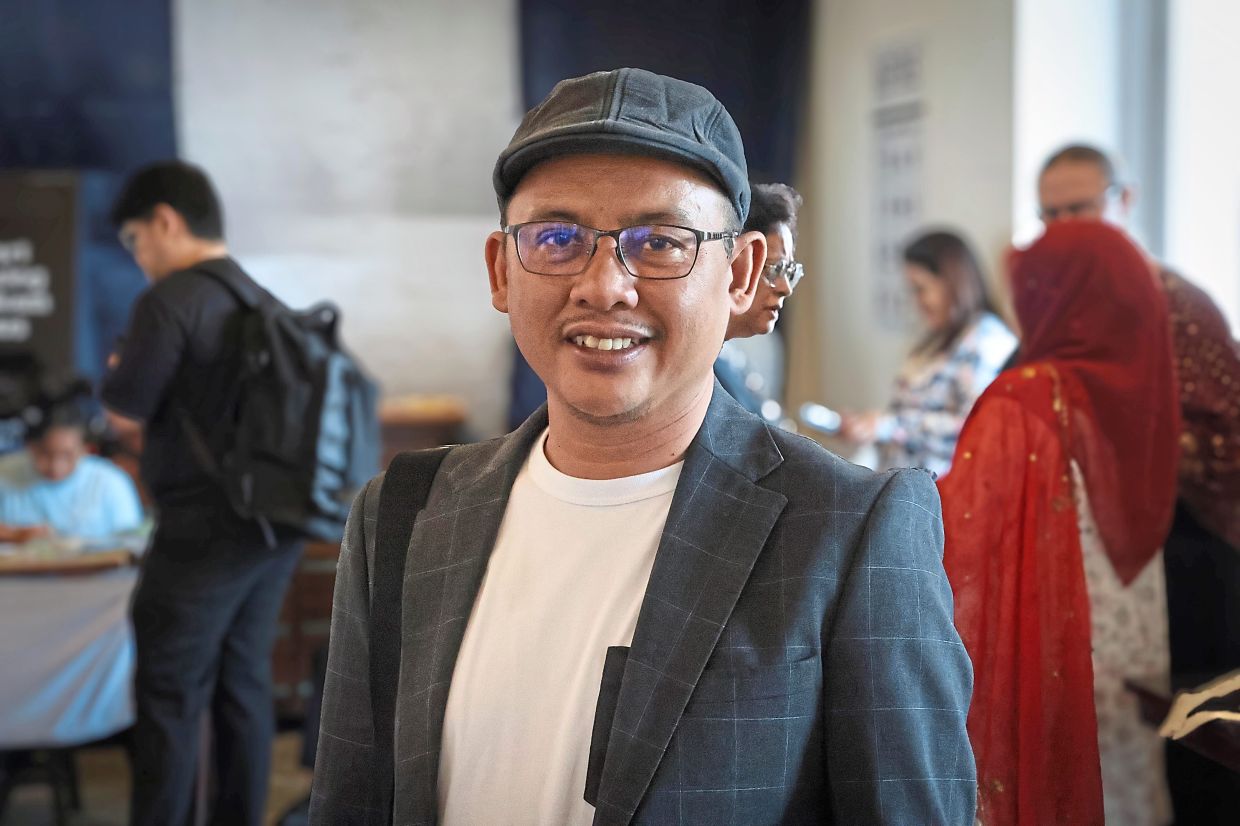
Aspire head trainer Mohd Danny Zulkifli called the programme an important effort to revive keringkam and keep it alive.
He became involved in the craft almost 20 years ago, when it was “almost extinct”, with very few embroiderers left in the state.
“At that time, it was really hard to find keringkam and it was expensive – the cheapest pieces cost between RM1,000 and RM2,000 depending on the material,” he said.
“That’s why I took up the challenge to learn it myself. Now it’s become a serious business, and many embroiderers are doing it commercially.”
Danny said he enjoyed teaching the Aspire trainees, who not only picked up the skill quickly, but were respectful and disciplined.
“Youngsters have good eyesight, which is very important in making keringkam. They learn fast and they’re creative – they come up with their own ideas and designs.
“Now we can see the results of the programme. They’ve really mastered the skill, and it’s worth the effort.”
He also expressed hope that the government would support the trainees’ next steps after graduation.
“I hope they don’t lose their keringkam skills, and that this will help them lead a new life,” he said.