Decomposed animals are believed to have been poisoned
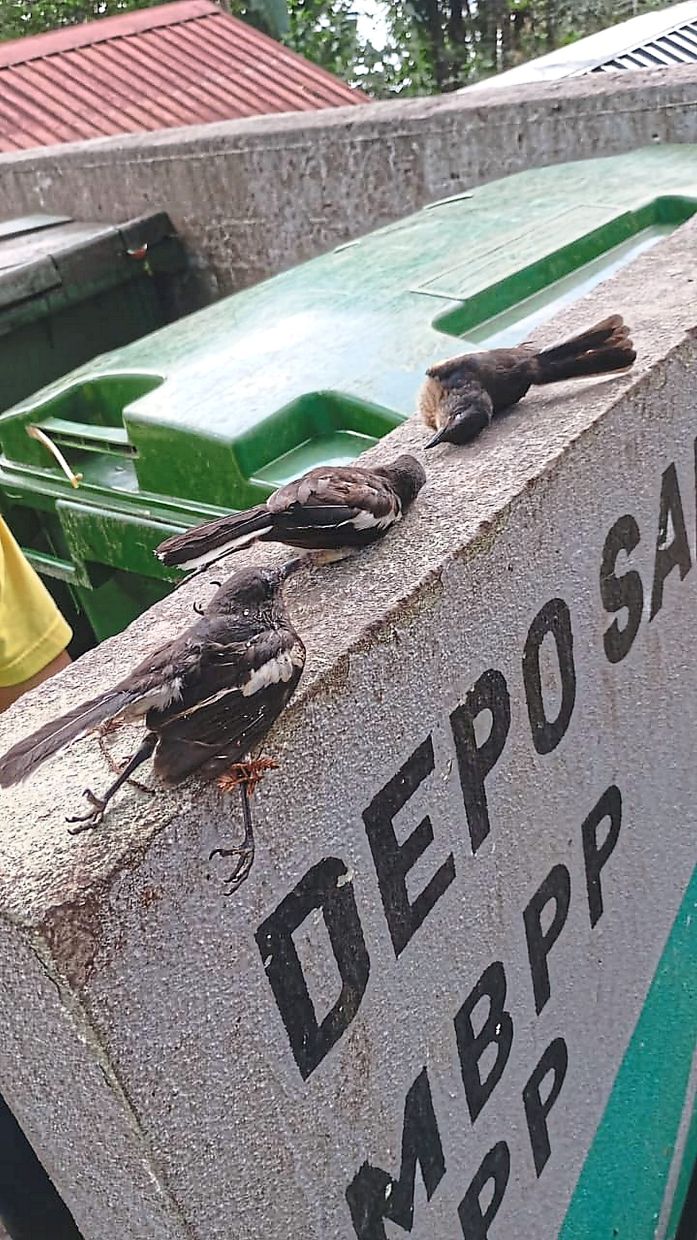
GEORGE TOWN: The carcasses of eight dogs, three cats and five birds were found along the Penang Hill jeep track in a decayed condition and emitted a strong stench, said Penang Hill Corporation general manager Datuk Cheok Lay Leng.
Some appeared to have defecated, a sign of possible poisoning.
“We believe the animals were poisoned through food traps placed along the jeep track,” he said, adding that the Penang Veterinary Services Department is investigating the matter.
On Sunday, The Star reported that several animals including dogs and cats were found dead – believed to be poisoned on Penang Hill.
Penang Veterinary Services Department director Dr Saira Banu Mohamed Rejab said the officers would try to get samples of food eaten by the animals and check CCTV cameras in the area.
She said the case is being probed under Section 29(1)(a) of the Animal Welfare Act 2015, adding that those found guilty can be fined up to RM100,000 or jailed up to three years, or fined and jailed.
Meanwhile, Penang Crime Consciousness and Public Safety Society chairman Datuk Mohamad Anil Shah Abdullah described the act of killing animals as cruel and inhumane.
“Regardless of whether the animals were strays or owned pets, the law protects all animals in Malaysia.
“If the public is unhappy with the presence or movement of animals, especially strays, they should report the matter to the Veterinary Services Department or the local council, which are authorised to take appropriate and humane action,” he said.
He said that in relation to the Penang Hill case, it appeared the animals might have been poisoned.
Malaysia, he added, has legal provisions to protect animals, including the Animals Act 1953, the Animal Welfare Act 2015 and Section 428 of the Penal Code.
He said if action is needed, it must be taken by the proper authorities through legal and humane means.
He emphasised that even pet owners aren’t allowed to simply dispose of or kill their animals, adding that neglect or abandonment can pose public health risks, including disease spread and environmental hazards if carcasses are not properly managed.
He added that owners must take full responsibility for their animals and ensure they are cared for, or handed over to the proper authorities if they can no longer manage them.
“Taking matters into one’s own hands through cruelty is both morally wrong and punishable by law,” he said.