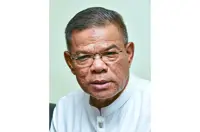
PETALING JAYA: Allowing refugees and asylum seekers to work under a regulated framework could help address labour shortages and boost Malaysia’s economy, says the Malaysian Employers Federation (MEF).
Its president, Datuk Dr Syed Hussain Syed Husman, said over 185,000 refugees and asylum seekers currently reside in the country, most of whom are of working age and physically capable of contributing to the economy.
“Despite having the skills, willingness and potential to contribute, they face legal and practical barriers to formal employment,” he said in a statement on Sunday (June 22).
"MEF believes that, if managed strategically and humanely, the integration of refugees and asylum seekers into the formal labour market will positively help address several pressing national challenges, particularly in sectors facing acute labour shortages such as agriculture, construction, manufacturing and care services."
Syed Hussain proposed allowing those registered with the United Nations High Commissioner for Refugees (UNHCR) to be granted formal work access in Malaysia.
“This will not only provide them with the opportunity to recover from the trauma of war, conflict and persecution, but also allow them to contribute to Malaysia’s economic growth, with clear benefits to businesses and consumers,” he added.
He said MEF believes formalising refugee employment could support GDP growth through increased labour output, consumption, taxation and entrepreneurship.
It could also reduce exploitation and illegal hiring by promoting compliance with labour laws, while saving employers time and recruitment costs by tapping into an existing workforce, said Syed Hussain.
He cited a joint study by the International Labour Organization and UNHCR, which found that enabling refugees to work could raise a country’s GDP by up to 0.5% over time.
“If even 30 to 40% of the refugee and asylum seeker population is granted access to the formal job market, this could add 55,000 to 75,000 employees to Malaysia’s labour force, boosting productivity and supporting national economic growth,” he said.
Syed Hussain stressed that this would not displace local workers, especially in 3D jobs (dirty, dangerous, and difficult) typically shunned by Malaysians.
“It would reduce dependency on foreign workers and cut enforcement costs associated with illegal labour,” he said.
Syed Hussain said this move would also strengthen Malaysia’s international standing on human rights and align with global standards such as the UN Guiding Principles on Business and Human Rights and ESG expectations.
“MEF is calling on the government to collaborate with employers, trade unions, NGOs and international bodies to develop a clear, transparent policy framework that defines legal work status, outlines obligations and rights, integrates skills recognition and includes proper vetting and monitoring mechanisms.
“MEF believes the inclusion of refugees and asylum seekers into Malaysia’s formal workforce is a win-win strategy - one that strengthens economic resilience, meets business needs and upholds Malaysia’s humanitarian commitments,” he said.