




EVERY parent dreams of a happy, healthy child. But for some, an unexpected diagnosis like congenital heart disease (CHD) can bring a wave of emotions and questions.
CHD is one of the most common birth conditions, affecting about one in 100 newborns worldwide. In Malaysia, it is estimated that around 3,000 to 5,000 babies are born with CHD each year.
While the condition varies in severity, medical advancements have made it possible for children with CHD to live active, fulfilling lives.
How CHD affects children
CHD refers to heart defects (structural heart abnormalities) that develop before birth, affecting how blood flows through the heart and body.
Some cases are mild and go unnoticed for years, while others may require medical intervention early in life. Despite these challenges, many children with CHD grow up to participate in sports, pursue careers and live independently.
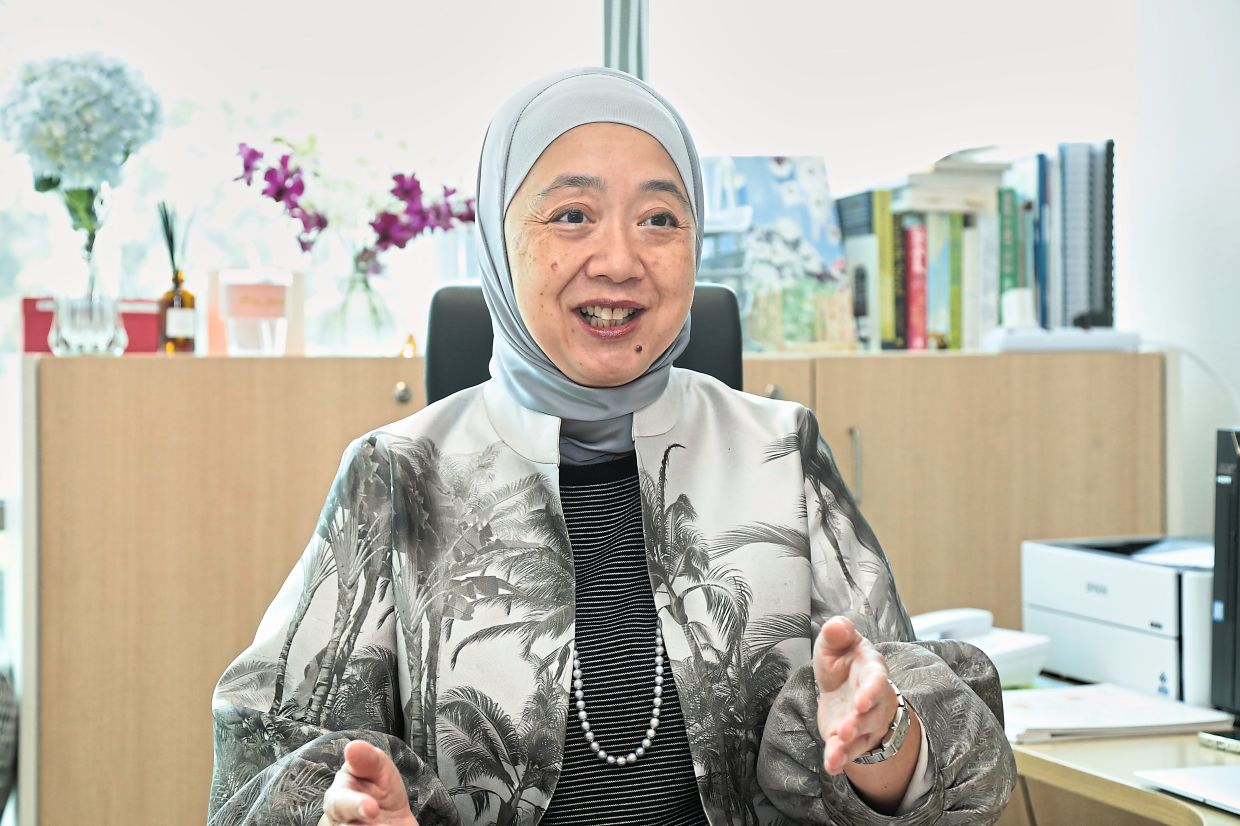
Hospital Pantai Kuala Lumpur consultant paediatric and congenital cardiothoracic surgeon Dr Siti Laura Mazalan explains that CHD includes conditions such as:
> Septal defects (hole in the heart): Small openings in the walls that separate the heart’s chambers including atrial septal defect (ASD) and ventricular septal defect (VSD);
> Tetralogy of fallot (TOF): A combination of four defects that reduce oxygen flow to the body;
> Patent ductus arteriosus (PDA): A vessel in the heart that remains open after birth, leading to extra blood flow to the lungs;
> Transposition of the great arteries (TGA): A condition where the major arteries are reversed, disrupting normal circulation;
> Coarctation of the aorta: Narrowing of the aorta, leading to high blood pressure and heart strain; and
> Hypoplastic left heart syndrome (HLHS): A severe defect where the left side of the heart is underdeveloped, making it difficult to pump blood.
What causes CHD?
The exact cause of CHD is not always clear, but research suggests that a combination of genetic and environmental factors may contribute to this development.
They include:
> Family history and genetic conditions: CHD can run in families. If a parent or sibling has CHD, the risk of a baby being born with it increases. Certain genetic syndromes are also associated with a higher likelihood of CHD.
> Maternal health conditions: Pregnant individuals with diabetes, especially poorly controlled gestational or pre-existing diabetes, have a higher chance of having a baby with CHD.
>Maternal infections during pregnancy: Viral infections such as rubella in early pregnancy can interfere with foetal heart development.
> Exposure to certain medications and substances: Some medications taken during pregnancy have been associated with an increased risk of CHD.
Additionally, alcohol consumption and smoking can impact foetal heart development.
While these risk factors have been identified, CHD can also occur in babies with no known risk factors.
Ongoing research continues to explore the complex interplay of genetics and environmental influences in congenital heart development.
Detecting CHD early
Early detection is key to managing CHD and improving outcomes.
Some cases are diagnosed during pregnancy through a specialised ultrasound called foetal echocardiography that helps doctors assess the structure and function of the foetal heart.
Others are identified after birth through oxygen saturation measurements.
A diagnosis is then confirmed with an echocardiogram, which provides a detailed view of the heart’s structure.
In some children, CHD only becomes apparent later in childhood when they present symptoms such as rapid breathing or difficulty feeding, bluish skin, poor weight gain, fainting spells, fatigue or excessive sweating.
“The presentation will depend on the severity as well as the type of CHD the child is suffering from,” says Dr Siti, stressing that routine check-ups are crucial.
Raising a child with CHD
For parents, a CHD diagnosis can feel overwhelming, but many children grow up to lead normal lives with the right care and monitoring.
Managing CHD often involves regular check-ups to monitor heart health and growth, medication for some children to support heart function as well as lifestyle monitoring and adjustments, such as encouraging moderate activity and ensuring a balanced diet.
For some children with CHD, certain medications help manage symptoms or support heart function.
In cases where structural correction is needed, minimally invasive procedures—such as catheter-based interventions—can be used to repair some heart defects without open-heart surgery.
In many cases, surgery remains the main option for CHD, as reconstructive procedures are often required to properly repair the heart, Dr Siti points out.
She also advises parents to avoid giving unnecessary supplements to children on medication, as they could interfere with prescribed treatments.
At the same time, ongoing advancements in medical technology continue to refine CHD treatment options, offering new approaches for managing the condition.
Developments like 3D heart printing and imaging techniques, gene therapy research and surgical approaches are being explored to enhance patient care and treatment options.
“With the tools available today, early intervention can significantly improve a child’s quality of life,” says Dr Siti.
“We always encourage parents to seek treatment as soon as possible so the child is able to grow up normally without having to deal with the burdens of CHD.”
Living life to the fullest
Children with CHD can—and should—live as normal a life as possible. With their doctor’s guidance, they can attend school, make friends, and even participate in sports.
Good oral hygiene, routine vaccinations and a healthy lifestyle are important preventive measures, Dr Siti emphasises.
For parents, patients and caregivers, understanding CHD is the first step towards better management and advocacy for improved care.
Regular check-ups, a heart-healthy lifestyle and staying informed about treatment options can make a meaningful difference.
“Support your child in leading a normal life. Allow them to grow, explore and pursue their ambitions,” encourages Dr Siti.
If you or a loved one is affected by CHD, remember that with the right care and a positive mindset, life can be full of possibilities.


