SHAH ALAM: Malaysia has successfully deposited heritage seeds and traditional varieties of plants at the Svalbard Global Seed Vault (SGSV) located on Longyearbyen Island, Norway, Malay language daily Sinar Harian reports.
The Malaysian Agricultural Research and Development Institute (Mardi) said, in a Facebook post Saturday (March 1), that the vault is situated in permafrost conditions with a natural temperature of less than 18°C.
"This initiative is part of the Biodiversity for Opportunities, Livelihoods and Development (Bold) Project, funded by CropTrust.
"Genetic resources from Mardi's MyGeneBank and the National Rice Gene Bank, collected since 1977, were selected as duplicates for storage in Svalbard," Mardi's Facebook post said.
"A total of 725 crop accessions have been duplicated there, with two shipments made in May and December 2024.
"On Feb 26, the doors of SGSV opened for the first time in 2025 to receive seed deposits from Malaysia and 20 other countries," Mardi said.
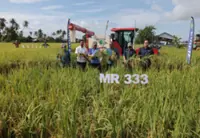
Among the seeds sent were traditional varieties such as rice, eggplant, and long beans.
According to Mardi, this effort is a crucial step to ensure the security and availability of the nation's genetic food resources in the event of disasters affecting local genetic storage facilities.
"SGSV is known as the 'doomsday vault' because it serves as the last line of defence for the world's essential seeds.
"With this deposit, Malaysia now has backup copies of the nation's essential crops, ensuring the continuity of food resources for future generations," Mardi said.
Previously, Sinar Harian reported that the SGSV, known as a vault storing food crop seeds from around the world in preparation for "doomsday", had received over 14,000 new samples.
It is renowned for its role in preserving food crop seeds globally.
The vault is located within a mountain on the remote Svalbard island, Norway, built to protect plant genetics from major disasters such as nuclear war and climate change.
Launched in 2008, it has become a lifeline for the world's seed banks, storing the genetic codes of thousands of plant species.
It is safeguarded by layers of permafrost that freeze the seed samples, ensuring they remain in good condition for the long term.