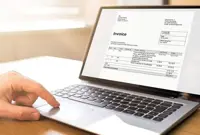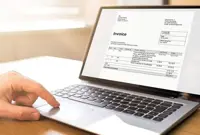
KUALA LUMPUR: A total of 7,900 companies have implemented the e-invoicing system, with 87 million e-invoices generated as of Nov 19, says Lim Hui Ying.
The Deputy Finance Minister said the issuance of e-invoices not only involved tax-paying companies at the first phase with an annual turnover of more than RM100mil but also entities which has voluntarily opted into the system.
“This reflects a positive level of acceptance among companies in complying with the implementation of e-invoice,” she told the Dewan Rakyat during the oral question and answer session here on Wednesday (Nov 20).
Lim was replying to a question by Datuk Dr Radzi Jidin (PN-Putrajaya) on the overall cost that would be incurred by the micro, small and medium enterprise (MSME) sector following the requirement to implement e-invoice starting from July 1, 2025.
On Aug 1, the Inland Revenue Board (LHDN) rolled out the first phase of the e-invoice system involving companies with an annual turnover of more than RM100mil.
The second phase will start on Jan 1, 2025 involving companies with an annual turnover of between RM25mil and RM100mil.
The third phase will take effect on July 1, 2025 when the e-invoice is mandatory for all tax-paying brackets.
To assist MSMEs to implement the e-voice without additional costs, Lim said the the Inland Revenue Board (LHDN) has developed the MyInvois Portal, which is free to access and use for submitting e-invoices to LHDN.
“Taxpayers can also issue e-Invoices via the MyInvois application on their smartphones anytime and anywhere,” she added.
Lim highlighted that the government has introduced a six-month transitional period to provide flexibility for businesses to issue consolidated e-invoices, which combine all sales transactions for a given month into a single e-invoice.
During this transitional period, she said penalties will not be imposed on businesses that issue at least consolidated e-invoices.
For businesses, including MSMEs, that opt to develop their own systems or use technology providers, Lim said the estimated costs incurred range from RM3,000 to RM30,000, depending on the size and complexity of the business operations.
She elaborated that the government is providing tax incentives for businesses incurring expenses related to the implementation of e-invoicing.
Among them, is that claim period for capital allowances has been reduced to three years from four years for expenses on ICT equipment and computer software packages, effective from the year of assessment 2024 and tax deduction of up to RM50,000 per year of assessment for consultancy fees incurred by MSMEs, applicable from the year of assessment 2024 to 2027.