
THE atmosphere was abuzz with excitement and enthusiasm radiating from 140 young, bright and eager students from all corners of the world – Brazil to Pakistan, Indonesia, Japan and more.
Darkness rapidly flooded the space where these students gathered. Total silence ensued for a split second.
A large panel of screens that nearly made up the whole circumference of the auditorium lit up, displaying a dire living condition.
The students were instantly transported to the slums where they “experienced” the struggles of living in extreme poverty via an immersive simulation programme that is part of the Future Energy Leaders (FEL) – a sub-event of the Energy Asia 2023 conference hosted by PETRONAS in partnership with CERAWeek (by S&P Global).
The simulation gave participants a glimpse of people living in the world with limited access to food, healthcare, housing and energy – thus, opening their eyes to the struggles many would have to go through and flaring their interest to accelerate meeting Sustainable Development Goal (SDG) 1 to end poverty in all forms, as well as SDG 7 to ensure access to affordable, reliable, sustainable and modern energy for all.
Held at the PETRONAS Leadership Centre (PLC) in Bangi, Selangor, from June 23 to 25, FEL brought together a diverse group of university students and 30 international professionals for a knowledge exchange event. The immersive simulation is one of the many activities lined up to help participants get a comprehensive view of the complications of a just energy transition.
With energy industry leaders and sustainability experts present, FEL aims to create awareness on the current energy transition and sustainability, and drive youth into action.
Understanding that reducing poverty requires ecological and resource sustainability, Universiti Teknologi PETRONAS student Nicole Chiew Zhi Ching decided there and then to play a bigger role in contributing to energy transition and achieving net zero carbon emissions.
The final year chemical engineering student majoring in renewable energy says FEL made her realise that it is possible for an individual to contribute to energy transition by stepping out of her comfort zone to reduce carbon footprint collectively.
Noting that all participants from different countries and backgrounds had fun interacting, exchanging views and learning together, Chiew adds that FEL helped participants gain deep insights into sustainability issues that pose great threats to society and mother nature; discuss energy transition, renewable energy and sustainable development; as well as get involved in great leadership aspects.
“FEL helped us realise how crucial it is for young minds to stand out and play an active role in hastening progress in renewable energy and sustainable development,” says Chiew.
Young people are a fearless, dynamic bunch, often coming up with fresh and outrageous ideas that could work with the right circumstances – support, advice and resources.
Recognising this, PETRONAS has taken upon itself to guide and inspire young emerging leaders to adopt and implement sustainability and embrace transition towards clean energy.
Activating young minds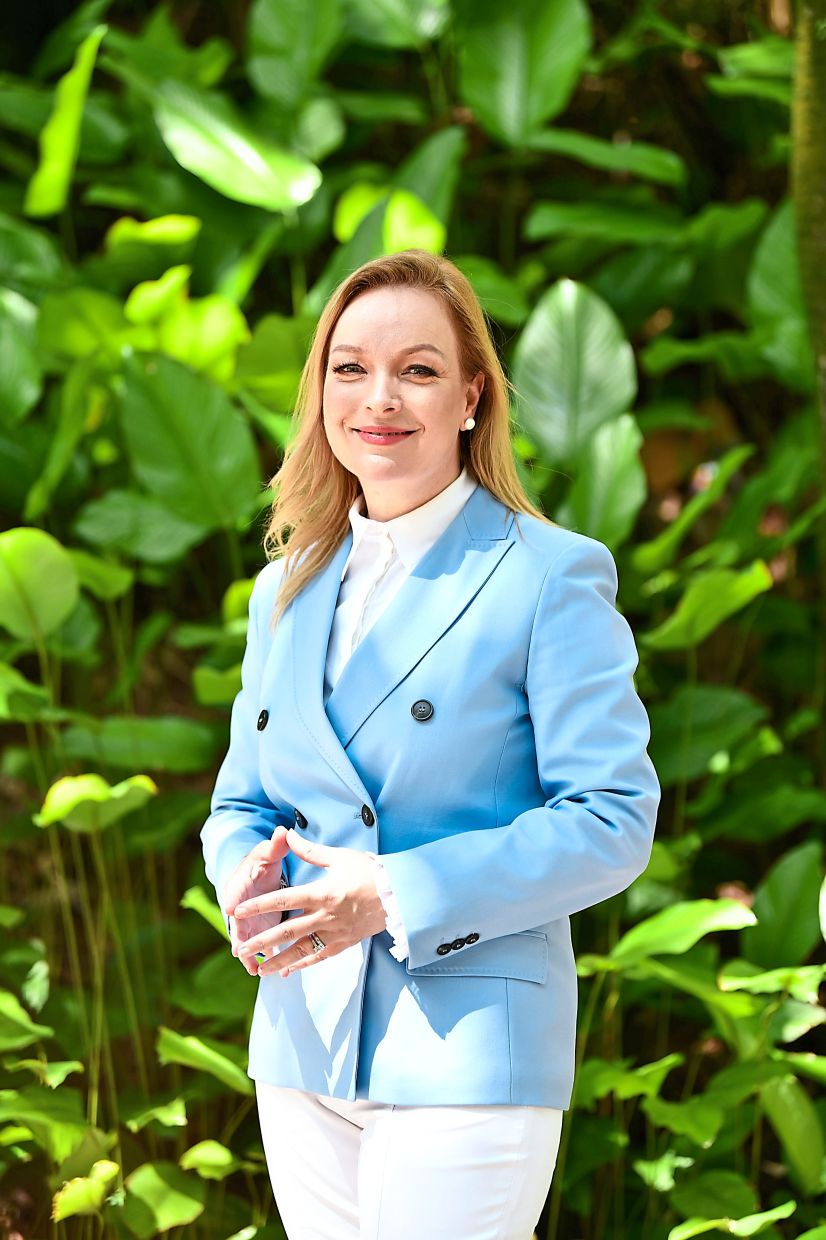
PETRONAS vice president and chief sustainability officer Charlotte Wolff-Bye, who gave her opening remarks at FEL, says the event is part of the company’s many efforts to spark interest and inspiration among youths.
She notes that participants deep-dived and engaged in knowledge exchange, conversations, debate and immersive activities focusing on the challenges of the energy transition and sustainability initiatives throughout the two-day programme.
“FEL focuses on charting pathways for a sustainable Asia through youths who are the emerging leaders, by preparing and developing them with awareness on the complexity of energy transition and sustainability efforts, possible opportunities from the challenges, as well as inspiring them to be part of the energy transition movement as a key catalyst for change,” she says.
At FEL, the participants cultivated their respective interpersonal skills working collectively in a cross-cultural setting.
“Participants would have discovered their individual style of interaction when it comes to problem solving, as well as conceptualising issues and tasks so they can be attainable and solved.
“This enables fruitful dialogues to be held face-to-face – an irreplaceable experience which is crucial for young future leaders to learn to collaborate across borders to address issues that are bigger than nations themselves,” she says.
Wolff-Bye adds that it is heartening to have many of PETRONAS’ senior leaders at FEL interacting with the participants, which acts as reminders to learn and listen to younger people.
“PETRONAS has a clear pathway for net zero carbon emissions by 2050. That is why it’s so essential for the young minds to embrace this journey.
“We do not yet have all the answers to how we can reach our goals in the next 30 years. Therefore, the brightest and most aspired minds are needed to focus on these challenges and to join the industry – not just PETRONAS but other energy players as well.”
Youths to shape their future
Stressing that young future leaders who possess the creativity and great energy to shape a better world deserve to have their voices heard, Wolff-Bye says the older generation should not dismiss youngsters if they lack experience.
“It is not for us to completely design a future for the next generation because it is their future and we must listen to them,” she says.
Noting that more than half of PETRONAS’ staff are aged below 35, Wolff-Bye says that she has not seen a company which invests as much in the younger generation of professionals until she joined PETRONAS two years ago.
“We have a really well supported Young Professional Club whereby members are empowered to be proactive in doing wonderful things. They are always engaged even in management meetings and happenings of the organisation. That is a unique trait I’ve not seen before and will be a huge strength for PETRONAS moving forward.”
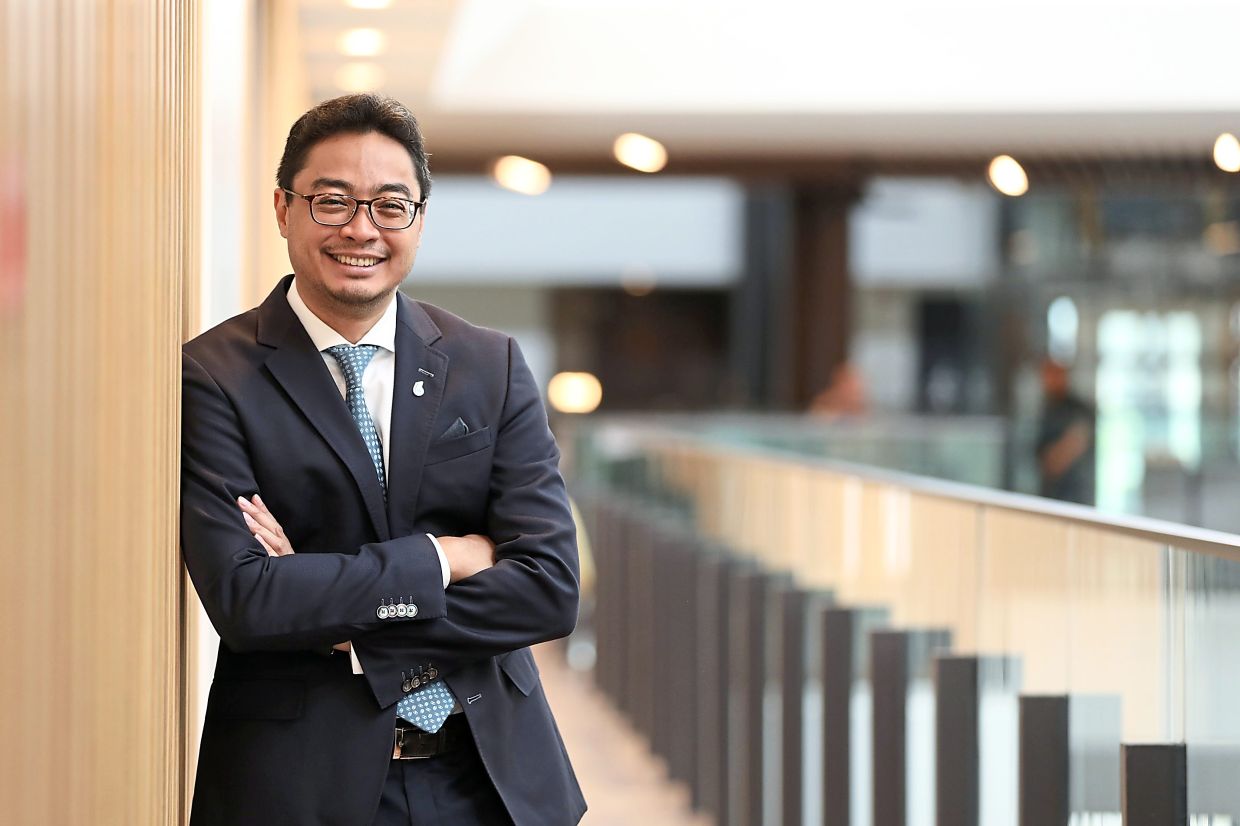
PLC chief executive officer Ruslan Islahudin, who is the designer and organiser of the inaugural FEL event, says that PETRONAS is heavily invested in human capital development.
PLC, an internal leadership centre which constantly upskills its workforce in sustainability leadership, is conscious of its responsibility to extend it to the society through these emerging leaders.
Believing that youths now have a big voice and larger platform to speak up, he hopes FEL can trigger them to inspire and mobilise communities, spark conversations and ideas, and ultimately drive change, innovation and action towards a sustainable future.
“Young leaders, through their vision and passion, can bring fresh perspectives and a strong commitment to environmental and social responsibility, especially by being actively involved in advocacy, education, driving policy change and implementation of sustainable practices across different sectors. This will help move us towards a resilient, just and sustainable world for future generations,” he says.
Ruslan adds that FEL is a stepping stone for PETRONAS to guide young emerging leaders to adopt and implement sustainability and embrace the transition towards cleaner energy.
“We can potentially explore educational programmes and focused collaborations at our learning institutions with our partners. Networking and knowledge exchange-based platforms like FEL, in any level of involvement, with the right industry partner, is an approach that we are considering too in the future.”
Dr Wayne Visser, the Sustainability Transformation Chair from University of Cambridge who was a guest speaker at FEL, shares Wolff-Bye and Ruslan’s sentiments.
The fellow and professor of Integrated Value at the top ranking university notes this is a time of immense excitement, especially for young people and future energy leaders.
He says many solutions that can address pressing matters surrounding sustainability are now ready to scale or are already scaling.
“Energy leaders meeting and having dialogues at events like FEL is absolutely crucial because this is the new generation. The older generation has brought us so far, but they’ve also left a legacy of problems to solve.
“To be an effective agent of change, we have to realise that we are all more powerful than we think. We are all part of a greater system and it is all interconnected.“I’m very optimistic that we can see positive tipping points to actually start scaling solutions, but we need everybody, especially the young minds, to be involved,” says the expert in sustainability who has over 30 years of experience under his belt.
Visser, who is a vegan and was the first person in the UK to purchase a Tesla, says he hopes programmes like FEL can further equip young people with inspiration and innovation.
Fellow FEL guest speaker, GoTo sustainability head Tanah Sullivan, hopes that more FEL-like programmes could be held to empower and create a strong support system to nurture youths.
“Young people have a cognitive diversity that the previous generation did not have. They have the resilience and can come up with innovative, creative and disruptive ideas, and audacious goals.
“They are just so fast in changing and shifting, and from there, they are able to actually build practical, effective, scalable, cost-effective solutions that are grassroots-born, and because they are local solutions for very local challenges.
“Our responsibility as the older status quo is to support and nurture the ideas that young people have and allow them the space to bring their ideas to life, which can help fix some of the problems we started,” says Sullivan.