WITH the launch of Malaysia Madani, social security spending will be a crucial segment of the Budget 2023 announcement on Feb 24 as it would involve policies for the wellbeing of the rakyat.
When comparing our overall spending to neighbouring countries, Malaysia has some room to invest more in social security.
According to a report by Asian Development Bank, Malaysia’s spending for social security in 2020 is estimated to be approximately 2.33% of its gross domestic product (GDP) and was slightly lower than that of the average spending on social security in the Asia Pacific region, which stands at about 3% of the GDP.
In 2020, about RM25bil was allocated for social security spending.
And, of the total RM110bil allocated under the Covid-19 Bill (Act 830) during the pandemic, about RM82bil were for social security programmes.
But these resources were spread thinly over 137 social protection programmes across more than 20 ministries and agencies, as reported by University Malaya’s Social Wellbeing Research Centre.
While the overall allocation is sizable, the current fragmented system suggests that the government will be streamlining financial resources, reducing duplication of benefits, and spending more effectively than before.
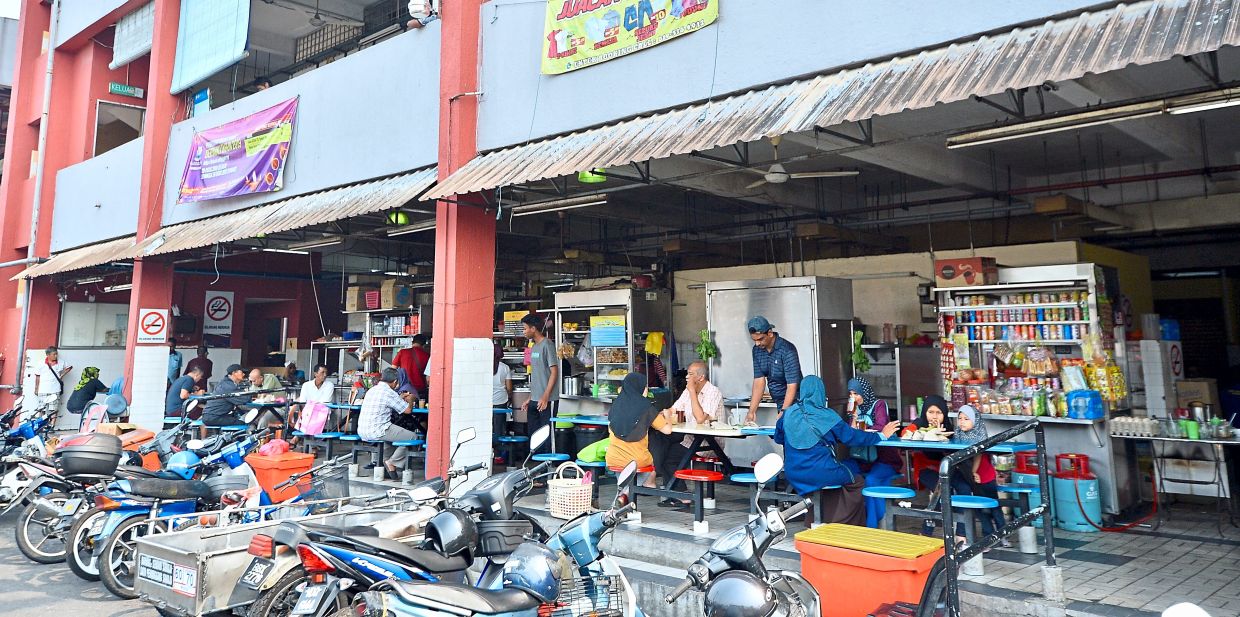
Moreover, spending on social security initiatives can spark a multiplier effect because direct fiscal injections such as welfare assistance provide short-term cash liquidity to lower income households that are more vulnerable to income shocks – for example, retrenchment – and have higher propensity to consume.
Every ringgit spent on social security is estimated to contribute more than RM2 to the national GDP.
However, we should also build direct linkages between social assistance and labour market interventions to provide longer-term solutions on poverty, income inequality and rising cost of living – in line with the Mampan (sustainability) component in Madani.
Similar to the “job search allowances” under Pertubuhan Keselamatan Sosial (Social Security Organisation), better known as PERKESO, the income support provided to retrenched workers are designed together with incentive structures and access to employment services under MYFutureJobs for better career outcomes and wage growth.
The model can be further extended to other programmes in the national budget through agile and coordinated delivery services across related implementing agencies.
Longer-term returns to the government are also possible when social security spending is packaged together with commitments to reform old social security legislations and build supporting infrastructure.
These transitional cash assistances reduce the costs and ease the acceptances among workers and employers through the policy changes.
In return, the government will have also addressed structural challenges in the labour market such as large social protection coverage gap for informal workers, low female labour participation and high unemployment among youth, in their policy announcements.
With these considerations and the rakyat in mind, PERKESO welcomes the opportunity to collaborate with all related stakeholders on social security policies in the upcoming Budget 2023 to ensure that we protect the people, especially the most vulnerable.
Datuk Seri Dr MOHAMMED AZMAN AZIZ MOHAMMED
Chief Executive
PERKESO