PUTRAJAYA: Seventy per cent of children with cancer in Malaysia recover from the illness each year, thanks to the improved treatment technology, Deputy Health Minister Datuk Seri Dr Hilmi Yahya said.
He also attributed the rising cancer survival rate to the Government's efforts in setting up a pediatric cancer treatment centre at the Kuala Lumpur Hospital (HKL) Pediatric Institute.
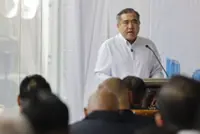
The establishment of the centre has contributed enormously to the increase of cancer survival rate among children, he told a media conference after officiating the 2015 Children Cancer Patients Award ceremony at the National Cancer Institute here Saturday.
Hilmi said apart from HKL, Kuching General Hospital, Sarawak; Sultan Ismail Hospital, Johor; Penang Hospital; Likas Specialist Hospital, Sabah; Raja Permaisuri Bainun Hospital, Ipoh; and Sultanah Nur Zahirah Hospital, Kuala Terengganu had also set up their own cancer treatment centres.
He also said efforts to improve cancer treatment would be further boosted by the opening of a pediatric cancer treatment centre at the Women and Children Hospital in HKL, which would be fully operational next year.
Hilmi also proposed that a specialised support group for children with cancer be set up, comprising former cancer patients, medical specialists and related agencies, as well as volunteers, to assist and give moral support to cancer patients to lead a normal life.
The deputy minister said just like the support group for breast cancer and cervical cancer patients, the setting up of special support group for children with cancer was also important as their survival rate was higher than adult cancer patients.
Meanwhile, head of Kuala Lumpur Hospital Pediatric Institute Haematology-Oncology Unit Dr. Hishamshah Ibrahim, who was present at the media conference, said young cancer patients aged 18 and below have a higher percentage of survival as their response to treatment was more effective than older patients.
He said the types of cancer treatment used by medical specialists on pediatric patients at the moment included medication, injection, surgery, radiotherapy and targeted cancer therapy. - Bernama
Already a subscriber? Log in
Get 20% OFF The Star Digital Access
Cancel anytime. Ad-free. Unlimited access with perks.