



ISRAEL is treating the new documentary NAZA, by the Israeli filmmakers Yuval Abraham and Rachel Szor, less like bad publicity than a national security crisis.
Eyal Zamir, chief of staff of the Israel Defense Forces, pledged to use “every tool at our disposal” against the documentary, which features anonymous interviews with 24 intelligence officers and soldiers, most involved in remote strikes in the Gaza Strip.
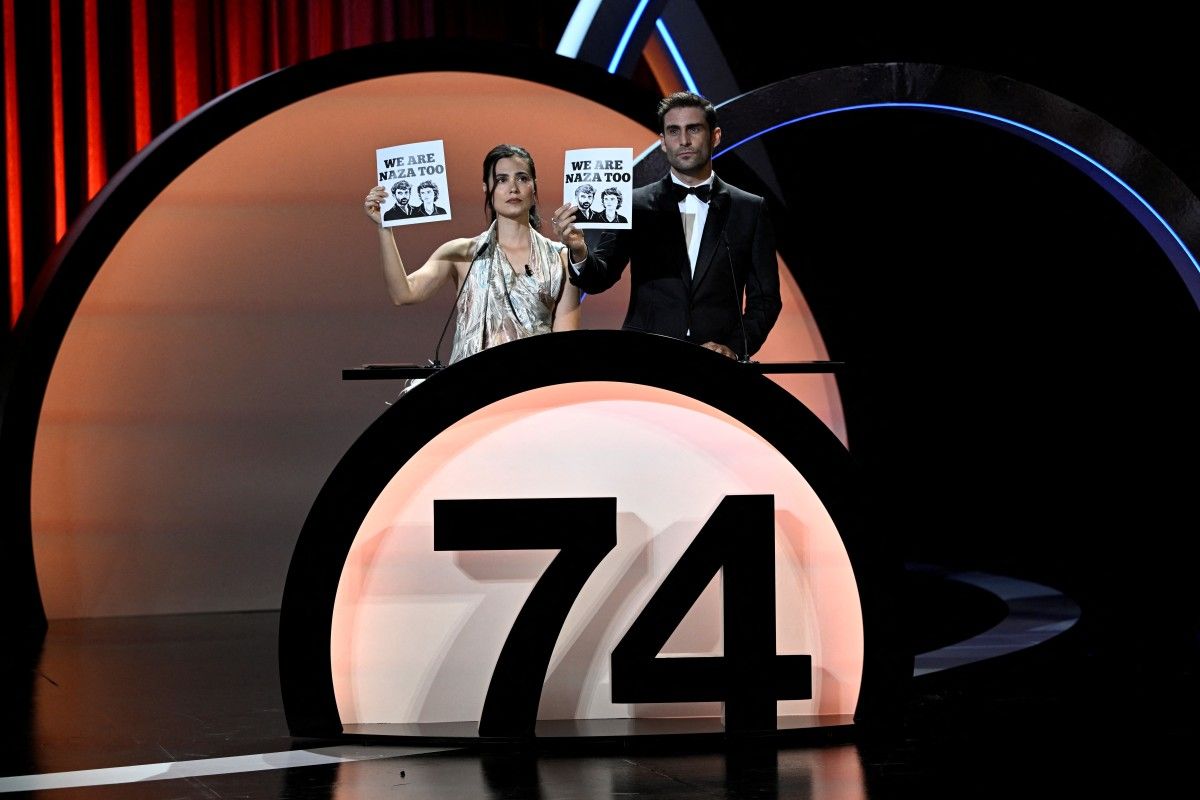
Israeli Prime Minister Benjamin Netanyahu has called for legislation that would let the state strip Abraham and Szor of their citizenship. Israel’s culture minister has asked the Interior Ministry to investigate them for treason.
Activists and staff members from the far-right party of Security Minister Itamar Ben-Gvir protested outside Szor’s parents’ house, where a speaker called for Abraham and Szor to be executed and their families’ homes demolished, as often happens to the homes of Palestinians.

The official calls for persecution of Abraham and Szor, who previously made the Oscar-winning documentary No Other Land with two Palestinian filmmakers, seem strategically unwise, since they’re spurring heightened interest in NAZA.
After seeing it, I can understand why Israel finds it so threatening. Its subjects described factory-scale targeting, enabled by artificial intelligence, in which little effort was made to avoid enormous numbers of civilian casualties.
“The goal was quantity, not quality,” said one of the speakers.
According to the sources in the film, the military chose to target members of Hamas, some low-level, at home at night rather than when they were out during the day because it was easier, even though it meant killing their families and neighbours.
One man told of hacking into the phone of a 12-year-old girl to learn when her father arrived home, and then ordering a bombing in which she was killed.
NAZA is Hebrew military shorthand for nezek agavi, or collateral damage. One of the speakers described a computer interface showing how many people would be killed if a particular site were bombed.
Typically, said one, “20 NAZA” was a benchmark – meaning it was OK to kill 20 civilians for one Hamas target. An interviewee said that for one bombing, a NAZA figure of 500 was approved, which the IDF has denied.
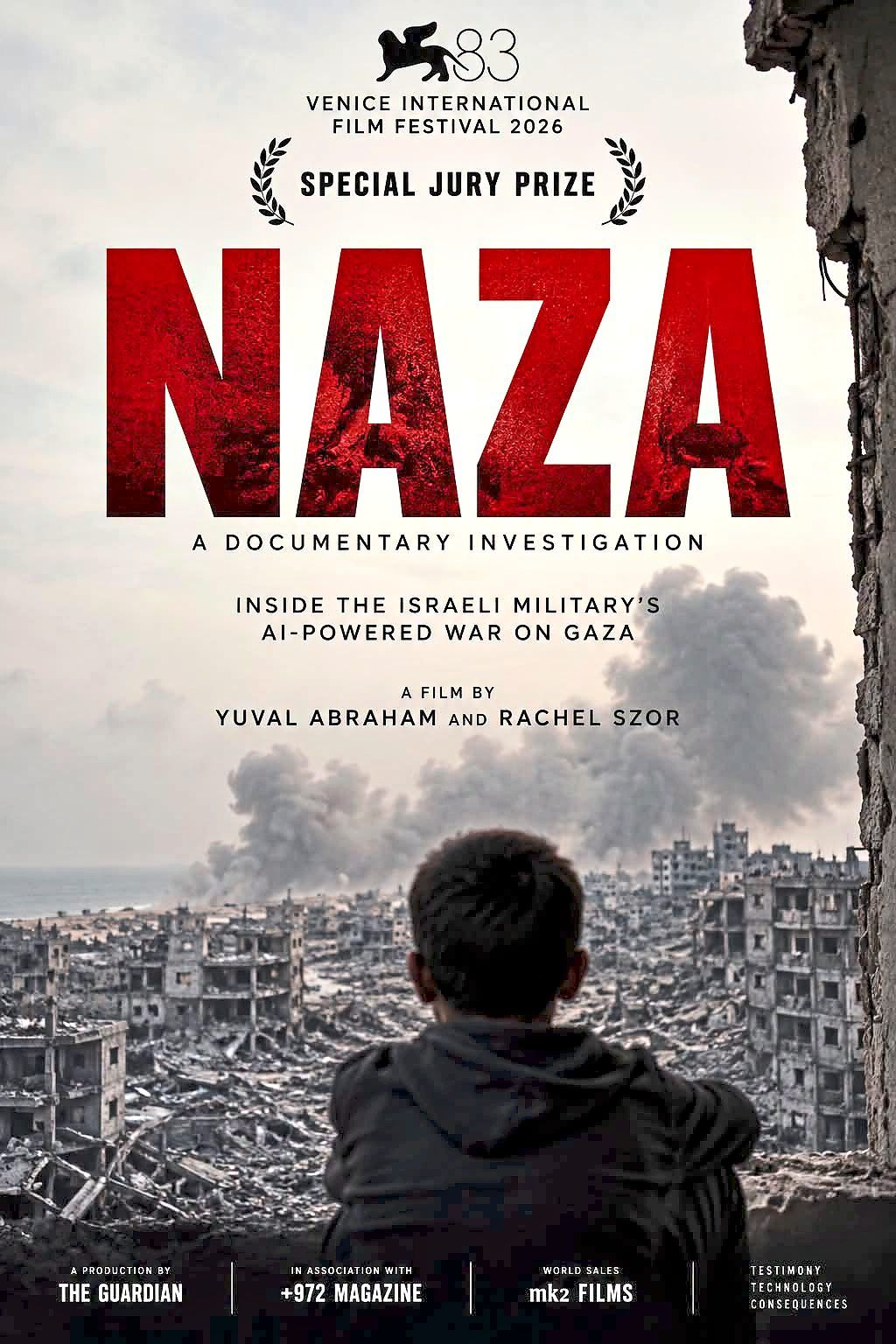
Part of what makes NAZA so devastating is the way it shows that mere indifference to civilian deaths can shade into deliberate mass killing. To Israel’s defenders, after all, the fact that the military puts limits on acceptable collateral damage shows that it’s not trying to kill as many people as possible and thus can’t be genocidal.
Israeli journalist Ariel Oseran argued, for example, that the very word NAZA is exculpatory, writing, “If Israel’s specific objective were to destroy the Palestinian population, Palestinian deaths would not be categoriSed as collateral damage; they would be the intended goal.”
But NAZA suggests that the system Israel created had mass death built into it. In the frantic days following the Oct 7 attacks by Hamas, Israel was full of calls to annihilate Gaza, and the murderous rhetoric has persisted.
After 50,000 Gaza residents had already been killed, the former head of Israeli military intelligence said, in a leaked audio, “For every one person on Oct. 7, 50 Palestinians must die. It doesn’t matter now if they are children.” In this atmosphere of rage, grief and total self-justification, the Israeli military made a series of choices that ensured Gaza would become a killing field, whatever the specific motives of everyone involved.
Of course, we don’t know who these sources are. They were filmed on Tel Aviv rooftops at night, their faces shadowed, their profiles and voices digitally altered.
Journalistically, the use of anonymous sources for explosive allegations isn’t unusual, but it makes some of the documentary’s claims impossible to check. The IDF has emphasised the whistleblowers’ anonymity in disparaging the film. At the same time, it’s opened a leak investigation to find out whether classified material was used in the production, a strange thing to do if its revelations are false.
Ultimately, Israel’s fury at NAZA is almost certainly not about journalistic ethics. Part of the uproar is simply Netanyahu and his allies demagoguing ahead of next month’s parliamentary election, trying to cast the Israeli left as traitorous enemies of the military. But there’s also a broader sense of a taboo being smashed, of Israel being confronted with something it desperately doesn’t want to see.
It’s hard to tell whether Israelis are enraged by NAZA because they think it’s full of lies, or because they know or fear it’s true. — ©2026 The New York Times Company
This article originally appeared in The New York Times.
