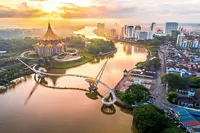
COME rain, shine or haze – whatever the weather – Kuching continues to pulse with history, indigenous knowledge, cultures, traditions, customs, art, and simply, life.
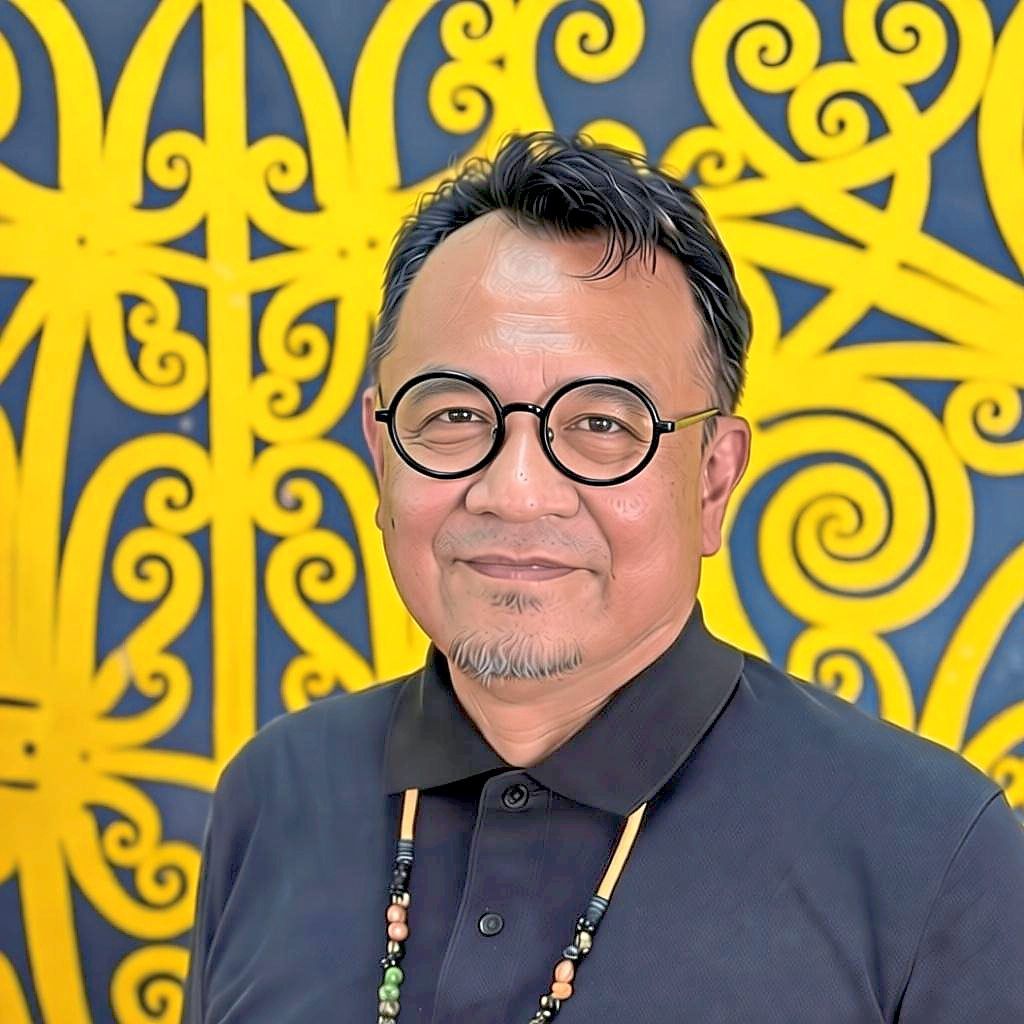
This living heritage is what makes Sarawak’s capital city the ideal venue to host the 22nd Icomos General Assembly and Scientific Symposium 2026 (GA2026) next month, says the Malaysian National Committee of the International Council on Monuments and Sites (Icomos Malaysia) president Faisal Abd Rahman.
For decades, heritage has been defined mainly by historic buildings, monuments and archaeological sites, Faisal explains, but the thinking in heritage conservation is changing.
“In Malaysia, especially, we believe heritage is not dead. It's not a dead monument, pyramid, Taj Mahal, and so on.
“Heritage is something that is living. Every new generation will create and recreate heritage.
“This is the agenda Icomos Malaysia is bringing to the world with GA2026.
“This is the conversation that we want to bring to the world,” he reiterates.
Ultimately, stresses Faisal, Icomos Malaysia is hoping to push for a “Kuching Declaration” at the global symposium, one that will “steer a new thinking of heritage conservation in the world.”
Living heritage for all
Of course, the GA2026 is already historic from the get go; it will not only be the first time for Malaysia to host an Icomos general assembly, but also a first for a South-East Asian country.
GA2026 is expected to welcome over 1,500 heritage experts and scholars from over 130 countries from Oct 17 to Oct 24 at the Borneo Convention Centre Kuching.
The event will also coincide with the 80th anniversary celebrations of the United Nations Educational, Scientific and Cultural Organisation (Unesco), which will see a series of public dialogues, heritage exhibitions, conservation workshops, youth and community engagement activities, as well as heritage trails in Kuching and other parts of Sarawak.
Kuching alone is a site with multiple Unesco inscriptions, Faisal highlights: “Kuching (Sarawak Delta) just received its Unesco Global Geopark recognition; it’s also a Unesco Creative City of Gastronomy.
"Other than the Unesco pocket events, the Sarawak Museum Department will also organise Night at the Museum events, Sarawak Authentic Gastronomy, Sarawak Museum Talk and Sarawak Museum Heritage Walk. The heritage exposition promises to be eye-opening, says Faisal.
“For example, the Singapore National Heritage Board is going to exhibit their digital heritage initiative.
“We also have the Getty Foundation among the international organisations as well as local heritage groups like Badan Warisan Malaysia (to share their heritage efforts),” he adds.
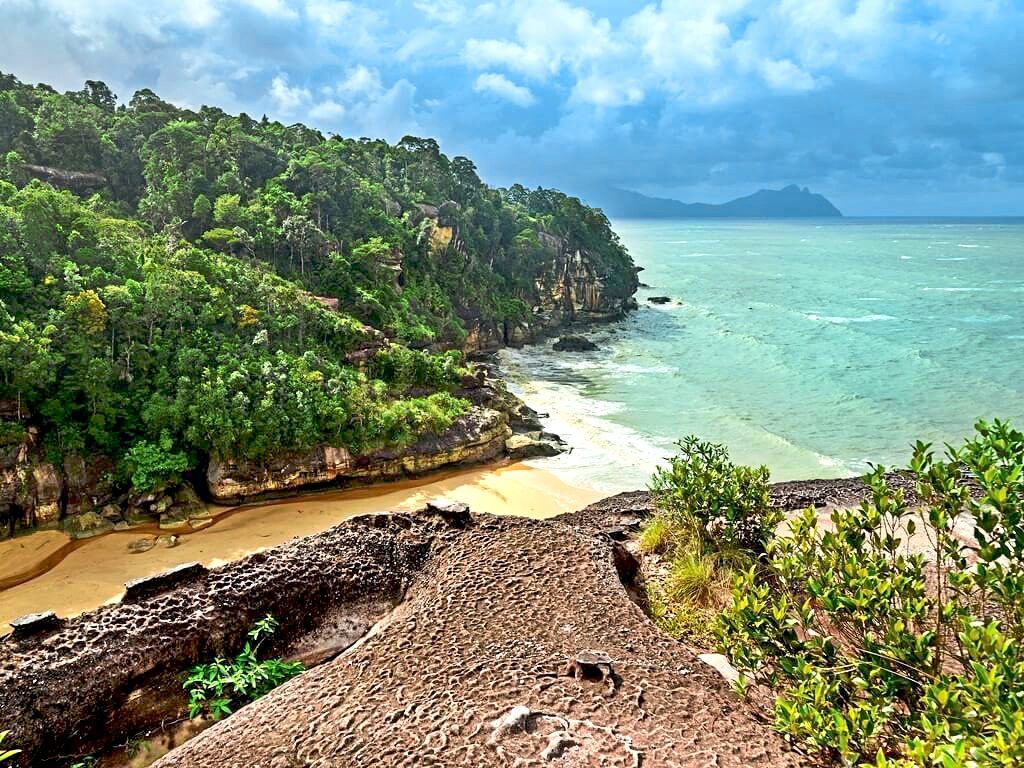
As for Icomos, which works to conserve and protect cultural heritage sites around the world and plays an advisory role to Unesco, it will be an opportunity to showcase their World Heritage Sites as well as their tentative list.
(Tentative list means heritage and sites which are being nominated for Unesco recognition.)
“GA2026 is not just any ordinary meeting. It's an opportunity to engage the local community on the meaning and management of Unesco sites.
“It’s a conference that will set directions and perspectives of heritage for the future. This is crucial now as the world is facing a lot of disasters and conflicts.
“For one, we will have delegates from Iran, Gaza and other conflict areas in the world to talk about the destruction that is happening in those places and how to respond and protect the heritage sites there,” he shares.
Challenging the old narrative
For decades, international conservation has been framed in Western ideas of heritage, Faisal continues.
The Venice Charter 1964, which laid the framework and codified the current core principles for preservation of cultural heritage sites, largely looked at tangible heritage such as monuments, historic buildings and archaeology. It was only later that intangible cultural heritage was recognised as an important aspect of heritage in all societies around the world.
But even for monuments and historic buildings, the Western perspective on heritage revolved mainly around stone and metal structures.
With its South-East Asian setting, GA2026 is primed to challenge this heritage and conservation narrative.
“As we evolved, we discovered that around the world, we have buildings made of wood, especially in Asia. But we don't have 1,000-year-old wood civilisations as they are difficult to preserve. They disintegrate. Does that mean we don’t have heritage? Does that mean we don’t have civilisation?
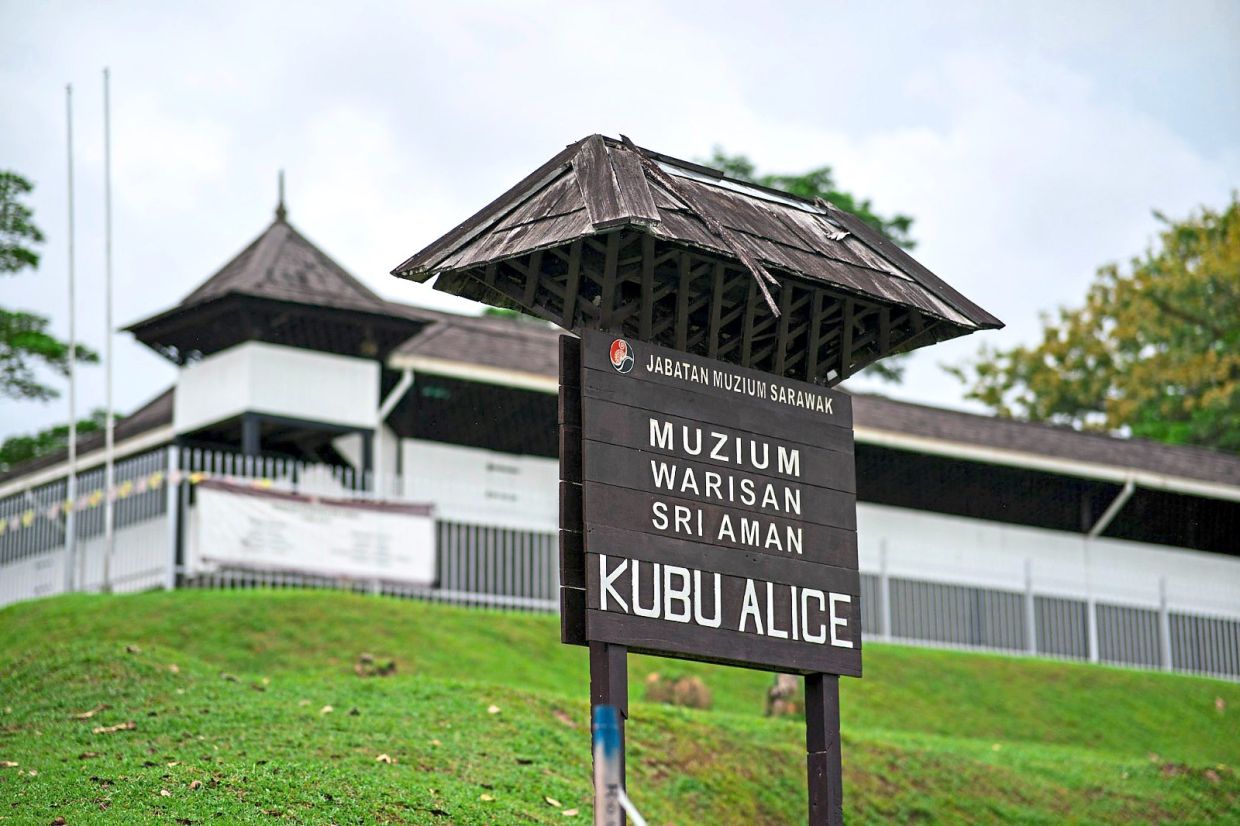
“Sarawak, for one, has a special structural typology: wooden forts,” he points out.
“It's a typology that is very difficult to find around the world.
"When you talk about forts in Europe, Middle East and even India, you usually mean grand stone buildings.
“The Brooke Forts, which are being conserved around Sarawak are wooden. This is something we want to showcase.”
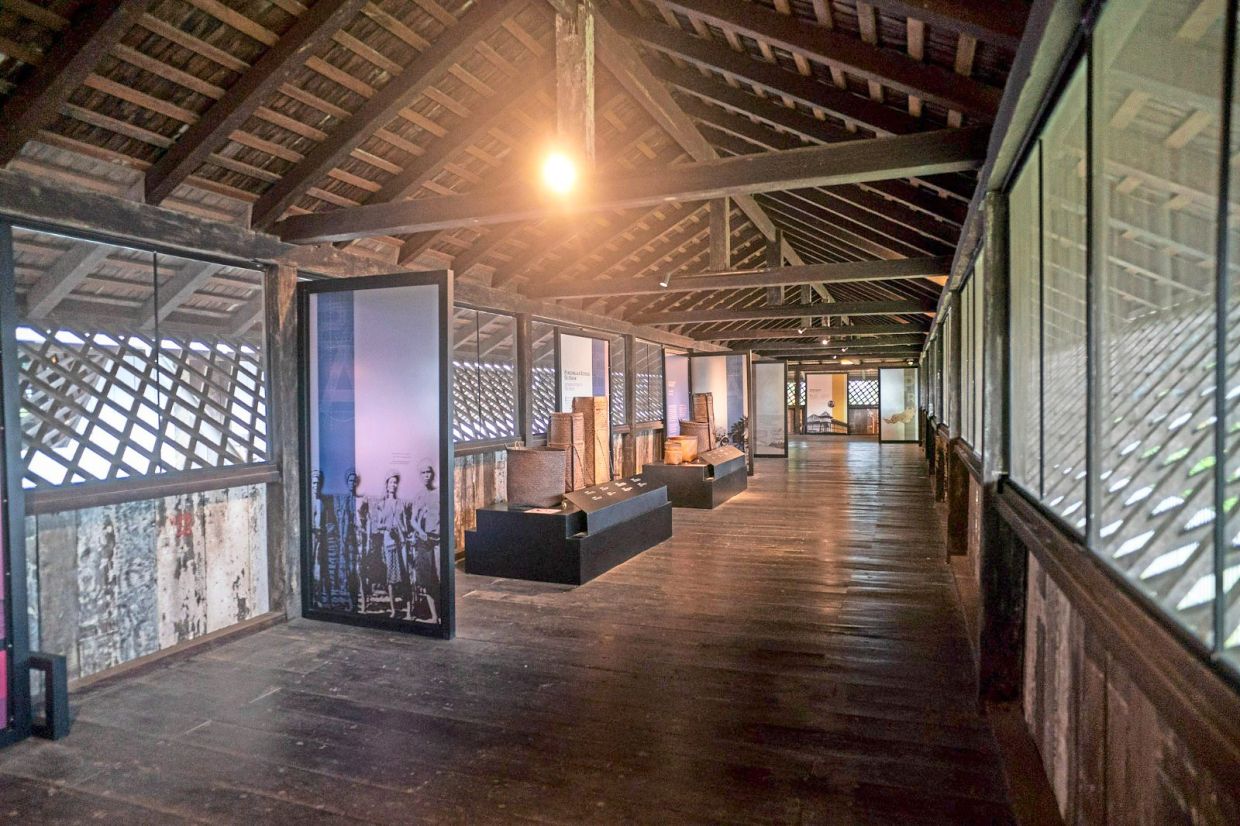
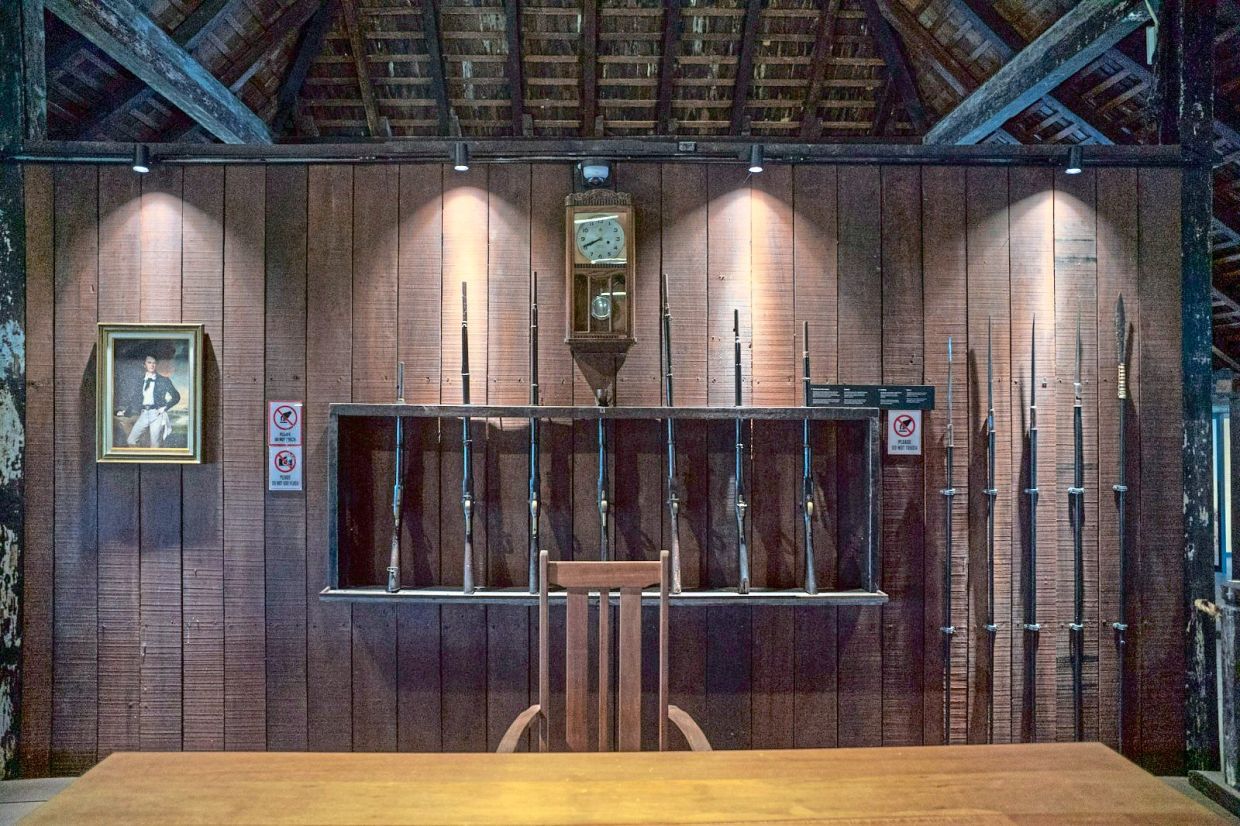
Another is the Kampung Nombor, which is a cluster of traditional Malay villages that are integrated into Kuching’s modern landscape.
“I think one of the things that people always think is that heritage is the opposite of development: that when we want to conserve something, we want to stop development.
“But Icomos doesn’t see it like that. You don’t have to choose one or the other. We have always seen heritage as the driver of development, meaning you can develop the site but its spirit must be rooted in the place and the people,” he says.
An understanding of the heritage value and significance of the place is important, Faisal reiterates.
“We're not saying that the kampung will stay kampung. We're not saying the building will stay a building.
"We're saying every generation can recreate the heritage, but it must be based on what the spirit or soul of the place is to carry forward its significance and identity.”
Legacy of resilience
Another legacy of civilisation that Icomos Malaysia hopes to showcase is the Borneon indigenous knowledge and other living traditions.
“Sarawak is the best place to talk about traditional knowledge of conservation and heritage resilience,” says Faisal, stressing that the age-old ancestral practices could provide the solution to our heritage conservation problems.
Crucially, this wisdom is rooted in our natural world, he adds.
And this wisdom and traditional knowledge could provide the burning answers we are now looking for to solve our climate change challenges, Faisal notes.
“Now when we talk about heritage resilience, we are also talking about climate resilience. Our ancestors already had solutions to today’s environmental and climate issues.”
“There is a lot of wisdom in how they built structures and managed the landscape and ecosystems,” he says.
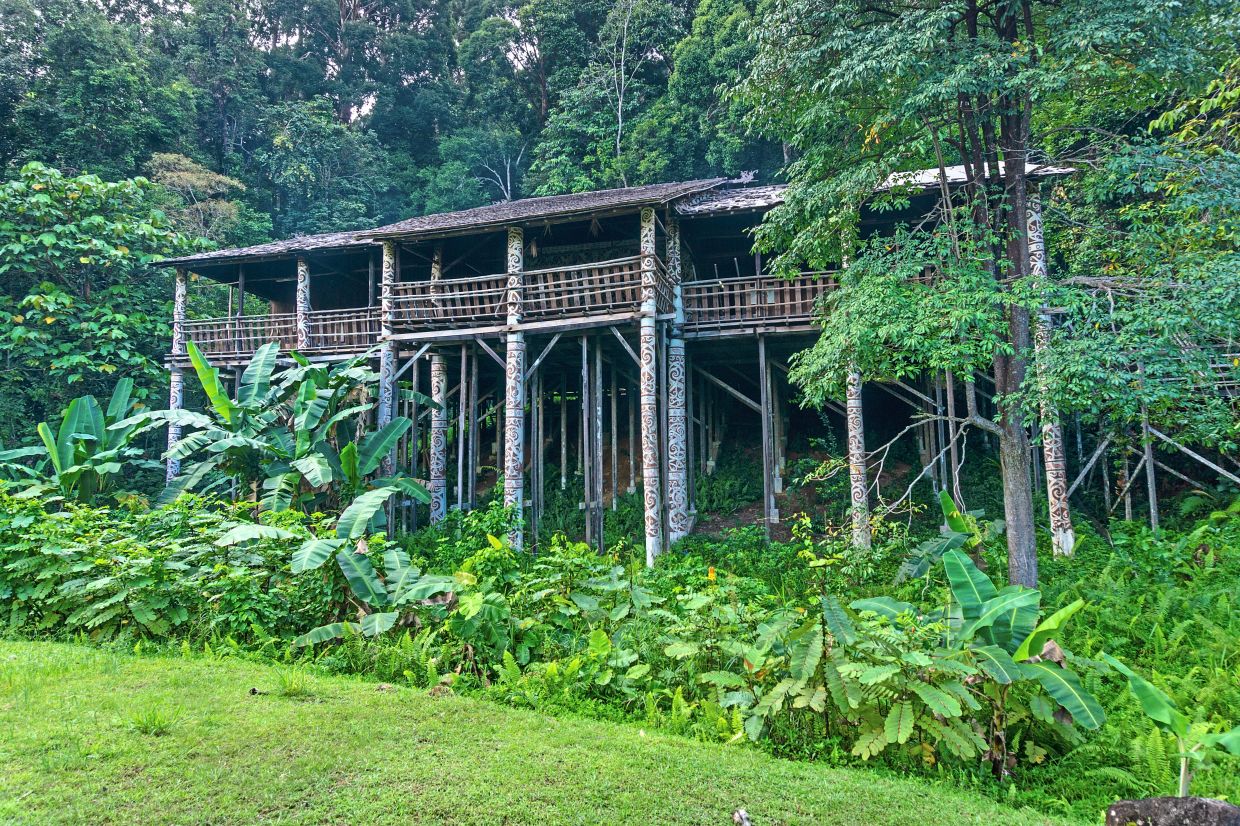
Icomos Malaysia is thus partnering with the Sarawak government's Old Kuching Smart Heritage (Okshe) initiative to talk about climate resilient cities.
“We're going to work with Okshe on how cities can use or apply heritage and living heritage in order for them to become more climate resilient.”
Ultimately, hosting GA2026 in Kuching can demonstrate the importance of balancing cultural heritage preservation through responsible tourism and community development.
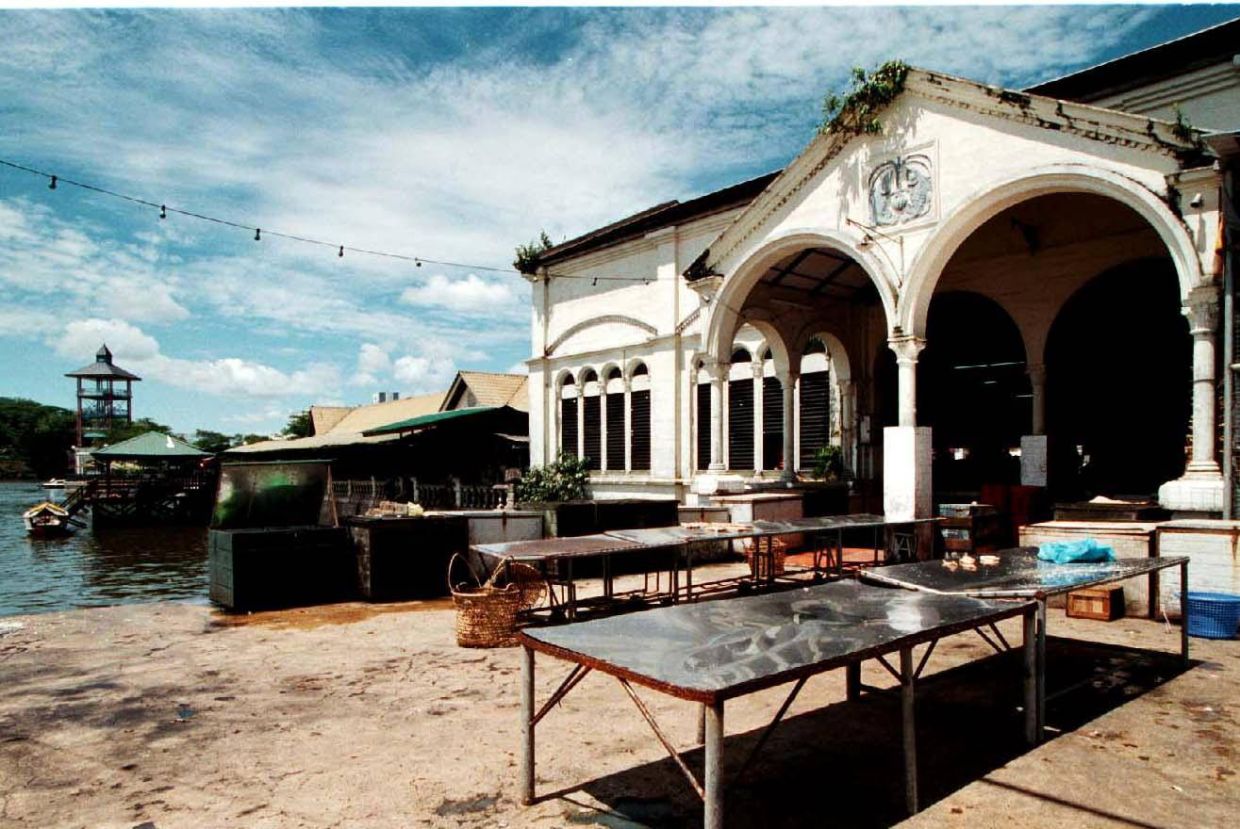
Okshe will be sharing on not only the traditional knowledge but also the technology they have adopted and their innovations.
“’We will discuss how technology and innovation can help heritage conservation.
"Change is necessary to enhance our heritage conservation work,” he notes.
"And this is something which Icomos wants to showcase to the world , he adds, citing GA2026 theme .
“’That's why our theme is ‘Living Heritage: Respect, Enhance, Accept, Partnership’.
"Accept means accepting change. But when you change, you still maintain your resilience. And to make these changes, you need partnership with people from various sectors, different perspectives, multiple expertise and so on.”
Most importantly, we need respect – respect for the heritage and respect for others, says Faisal.
“Respect means respect diversity and inclusivity.
“It's something which we believe that the world must talk about."