



STROLL through Tokyo on a summer day and you’ll see hand-held fans everywhere. But the light-blue one that Eimi Nakayama was holding on a recent afternoon was a more high-tech variety. Outfitted with a small metal plate that runs on the same science behind semiconductors, it uses electrical currents to generate a chill.
The sensation is “kind of like holding a cold drink against your neck,” said Nakayama, 20, a university student. “Maybe because of the plate, the air flow feels a bit cooler, too.”
The product has lately been sweeping through cities in East Asia, where a deadly heat wave this summer has led to cancelled baseball games in South Korea and a new meteorological term in Japan: kokushobi, or “cruel heat day.”
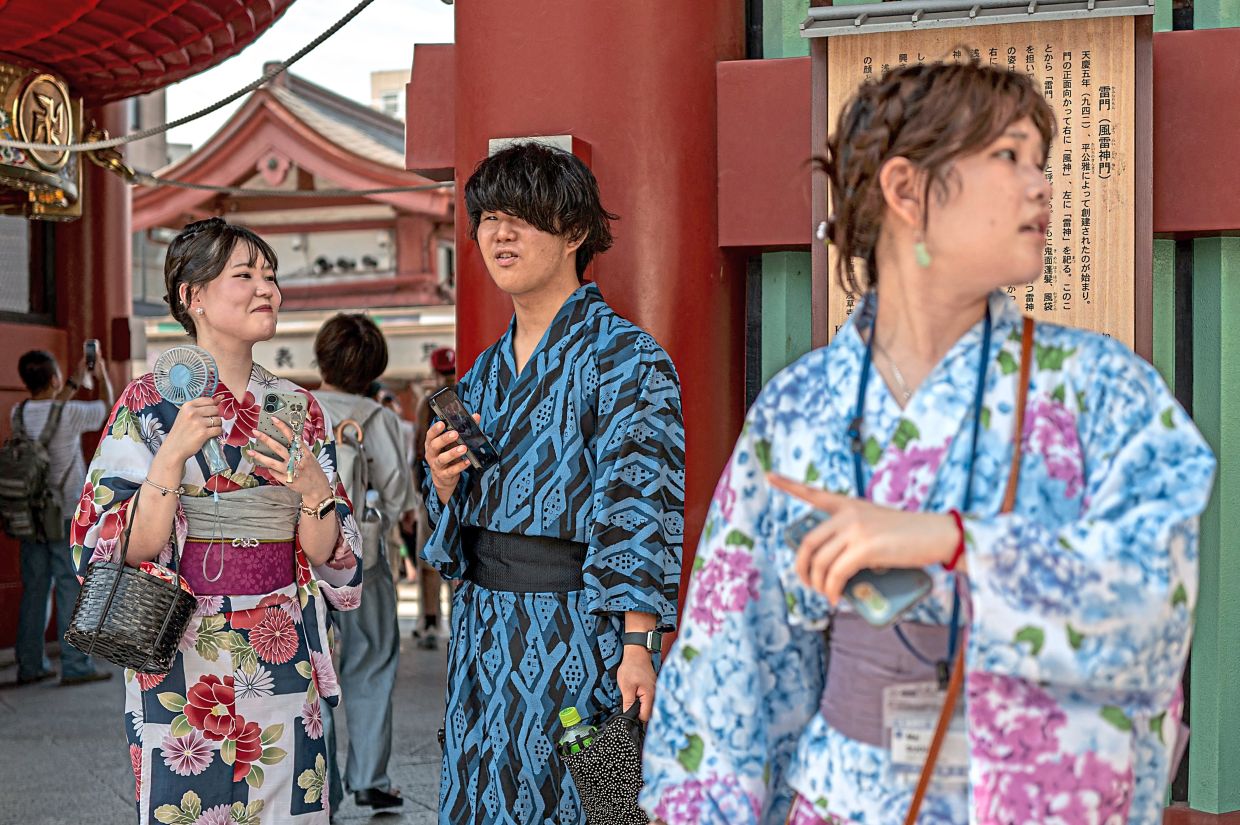
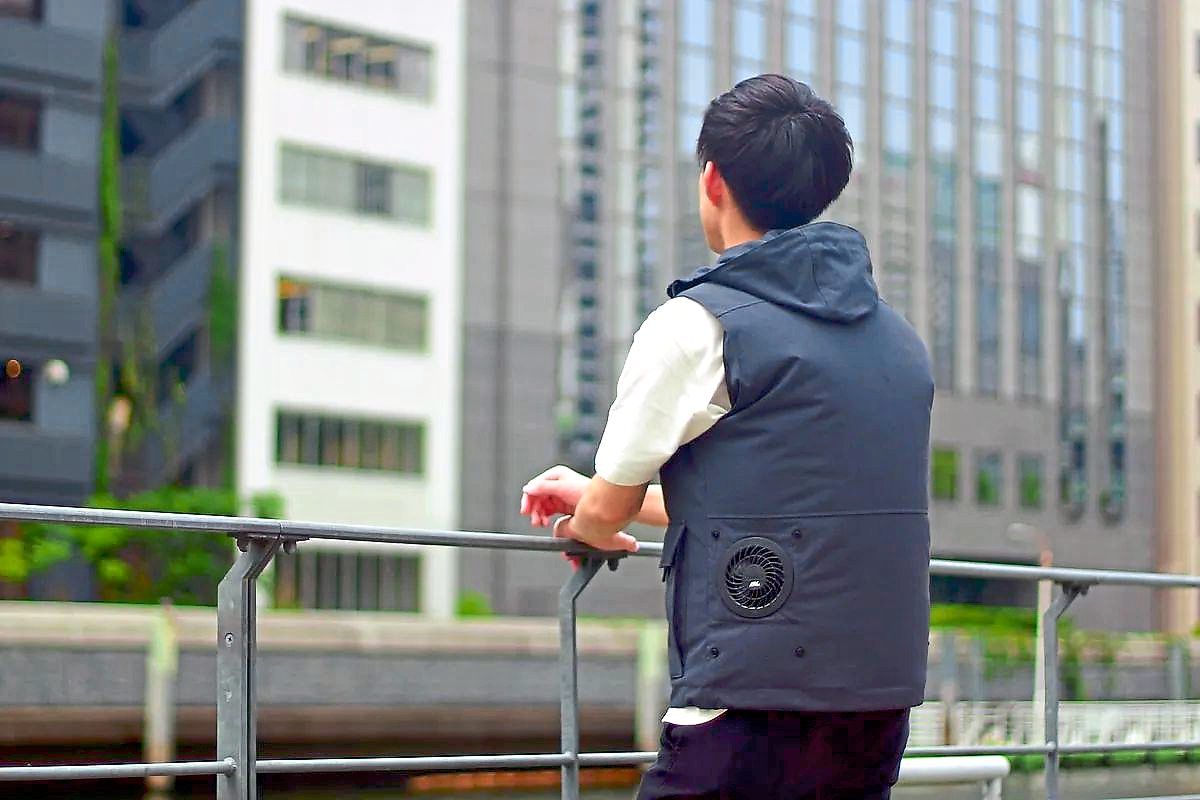
East Asia’s summers are becoming hotter and longer, and such “personal cooling” has become a ubiquitous part of daily life. A market once dominated by inexpensive hand-held fans now includes a growing array of more sophisticated products, from air-conditioned apparel to cooling sprays that claim to lower your body temperature within seconds.
Sales of cooling products are soaring, and employers and governments increasingly see them as a necessity rather than a luxury.
As in Japan, the market for such products in South Korea has grown dramatically over the past two years, said Lee Joo-young, an expert in the relationship between clothing and thermal environments at Seoul National University. She said a major factor is that motors and batteries have become cheaper and more effective, making powerful new cooling products accessible.
In Japan, the birthplace of the fan-cooled jacket – invented by Hiroshi Ichigaya, a former Sony electrical engineer, in 2004 – the online market for “heat countermeasure” products has expanded more than sixfold since 2020, according to Rakuten, one of the country’s biggest e-commerce platforms. It now lists roughly 800,000 products in that category.
For more go to: East Asia deploys heat-fighting gadgets.
This article originally appeared in The New York Times.
