FINDING himself caught in a grinding war with Iran, US President Donald Trump has turned to North Korean leader Kim Jong-un for help.
Trump’s most consistent trait is a desire to control the narrative in his favour. Reaching out to Kim now offers Trump a chance to return to the “peacemaker” image he projected in the early days of his second term.
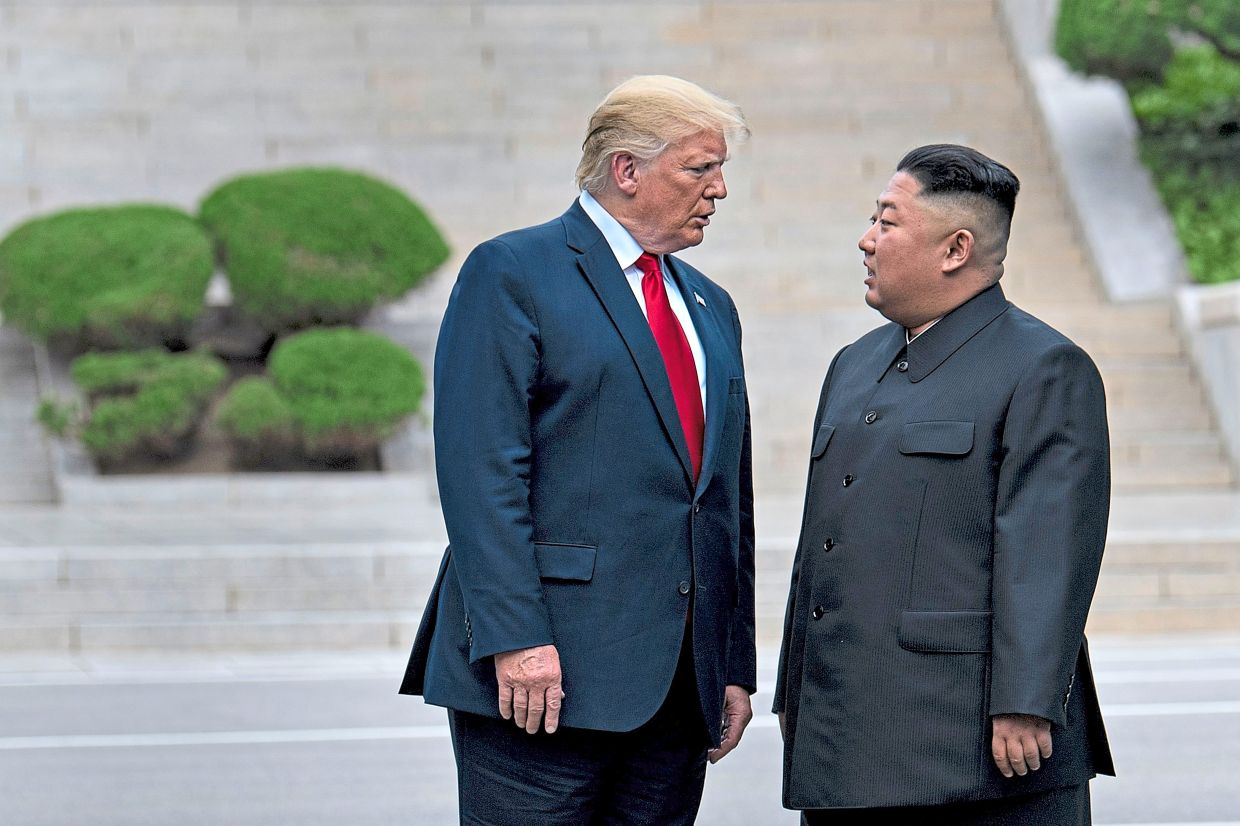
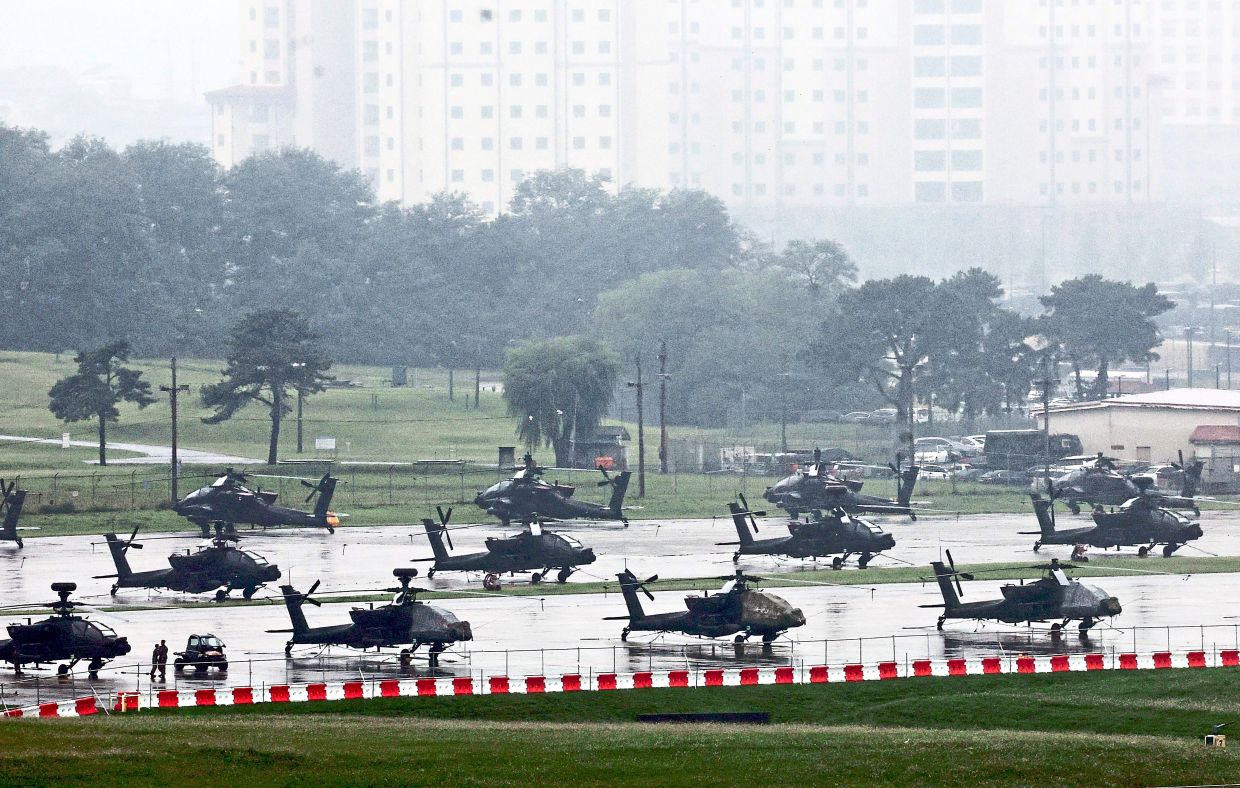
In a recent social media post referring to the 11-day Ulchi Freedom Shield exercises that were cut short last week, Trump lauded his “very good relationship” with Kim. He also stated that North Korea was “unthreatening and respectful” and that the exercises were “totally inappropriate and hostile” to North Korea.
He then stated, “I am not happy with the fact that the United States has, long ago, agreed to participate in Joint Military Exercises with South Korea” and said that he had ordered Secretary of War Pete Hegseth to reduce the scale of the exercises.
He also cited the cost of the drills and, pointedly, Seoul’s refusal to support US efforts against Iran. The South Korean Ministry of National Defense, however, said the exercises were proceeding as planned.
Trump’s pivot is troubling to South Korean conservatives who adhere to the traditionalist view of the alliance with the US as a deterrent to North Korean aggression.
For the centre-left, Trump’s renewed interest in North Korea aligns more closely with their interest in reaching out to North Korea in the hope of easing military tension on the peninsula. It also aligns with President Lee Jae Myung’s desire to reduce tension with North Korea.
To understand what Trump’s pivot to North Korea means, it’s important to look beyond the moment and toward the rest of the 2020s and into the 2030s.
The upcoming midterm elections will dominate American politics for the rest of the year. Current predictions suggest that the Democrats will win the House of Representatives, and Republicans are narrowly favoured to hold the Senate with a smaller majority.
The Democrats will be eager to check Trump while Republicans will be looking toward the next political cycle in 2028 without Trump on the ballot. Jockeying for the 2028 presidential election will begin in earnest at the end of this year.
As 2027 wears on, interest in Trump will fade, and he may well lash out in a desperate attempt to remain relevant. Staying relevant will be difficult because the clock is ticking on Trump’s term. His popularity has already fallen below 40%, a critical level of support. Stubborn inflation and an unpopular war with Iran bode ill for the prospect of recovery.
Trump’s time is finite, but what comes after him isn’t clear. The normal scenario for Republicans would be to nominate Vice President JD Vance in 2028, but history suggests that he faces an uphill fight if, as is likely, Trump remains this unpopular. Vance toes the MAGA line and aligns most closely with religious conservatives and isolationist elements in the movement.
The Democratic nomination, by contrast, is wide open. In primaries so far this year, younger left-wing candidates have done well, which has shaken the Democratic establishment.
These candidates are drawing much of their energy from disgruntled millennial and Gen Z voters, while the establishment holds on with the help of big donors and loyal older voters. The complexities of this competition make it hard to predict who will end up the Democratic nominee.
None of the possible post-Trump presidents shares his affinity for autocrats, which puts Trump and Kim on a deadline. To claim a positive breakthrough with North Korea, Trump needs to get it done quickly, and it needs to be something that is hard to undo. Kim knows that Trump wants something, which gives him leverage, but he also knows that Trump will be gone soon.
What, then, can they get from each other now that denuclearisation is off the table? Something like establishing diplomatic relations would fit: symbolically rich and difficult for a successor to reverse. It would make Trump look like a “peacemaker” and help Kim bring North Korea in from the cold.
For South Korea, the best approach to dealing with Trump is what it has always been: Wait him out. South Koreans should keep reminding Americans how important the alliance is to both sides, and how much both countries gain from strong economic cooperation.
This approach has served South Korea well so far while laying the groundwork for more stable and positive relations after Trump is gone. — The Korea Herald/ANN
Robert J. Fouser is a former associate professor of Korean language education at Seoul National University.