



WE’VE seen the headlines: The East Coast Rail Link (ECRL) to begin service by next January, promising to bridge Peninsular Malaysia’s east-west divide with modern rail travel.
The Shah Alam LRT (formerly LRT3) should begin operations this year. And down south: The Johor Baru-Woodlands RTS will start service early next year.
Then, while work on the Penang LRT is ongoing, there is the proposed Circle Line (MRT3) for the Klang Valley, as well as the feasibility study for the Trans-Borneo Railway to connect Sarawak, Sabah, Brunei, and Indonesia; all this in addition to the proposed high speed rail from Kuala Lumpur to Singapore.
Against this backdrop, work to rehabilitate KTM Bhd’s network continues, even as its Electric Train Service carriages now zip up and down the whole length of the peninsula from Padang Besar to Johor Baru.
All these existing and upcoming lines mean that the demand for qualified personnel for operations and maintenance (O&M) is never ending, in tandem with increases in network length, network complexity, and increasing rolling stock, stations, and other associated infrastructure.
Rail industry observers note that this upward trajectory has created a surge that cannot be met by local training output.
In the executive summary of the Malaysia Rail Industry Report 2025/2026, the Malaysian Industry-Government Group for High Technology (MIGHT) highlights the need for Malaysia to strengthen its rail ecosystem by reducing dependency on foreign technologies and solutions: “To achieve this, the sector must build the capability to design, develop, manufacture, implement, operate, and maintain rail technologies and systems that are fully aligned with the nation’s socioeconomic objectives,” it says.
The report also emphasised that the attainment of “technological sovereignty” is critical for Malaysia’s sustainability in rail.
“This requires prioritising innovation, accelerating research and development, and cultivating indigenous expertise across the entire value chain. By doing so, Malaysia can enhance competitiveness, ensure sustainable rail growth, and build greater resilience against external dependencies, especially in O&M,” reads the report.
For the longest time, training of rail personnel was undertaken by the respective operators, with KTMB’s Rail Academy and Prasarana Malaysia Bhd’s Centre of Excellence bearing the bulk of the work.
KTMB operates metre-gauge passenger and cargo trains throughout the peninsula, while Prasarana’s subsidiary, Rapid Rail Sdn Bhd, operates the MRT, LRT, and monorail in the Klang Valley.
Elsewhere, training for Express Rail Link’s O&M staff is primarily conducted by ERL Maintenance Support Sdn Bhd.
According to Yuslizar Daud, former head of the (now defunct) Land Public Transport Commission’s Rail Division, local players are mostly capable of basic maintenance, repairs and overhauls.
“That said, there is a critical lack of homegrown talent for advanced component overhauls, rolling stock refurbishment, and servicing modern train technologies,” he says.
“Modern signalling and communications components also pose another challenge in that most of the software is proprietary rather than generic, off-the-shelf products.”
Prof Chua Kein Huat, chair of Universiti Tunku Abdul Rahman’s (Utar) Centre for Railway Infrastructure and Engineering (CRIE), points out that modern railways also demand extensive digital integration as they increasingly embrace the IoT (Internet of Things), data analytics, and artificial intelligence-centric predictive maintenance regimes.
“There is a huge talent gap to fill when it comes to these, and we need to focus on bridging technology gaps through industry-academia-government collaboration, strengthening skills and talent development, fostering local supply chain integration, and creating a conducive regulatory and investment environment,” says Prof Chua, who is an energy and power system specialist himself.
Measures to build talent base
At that national policy level, the government has integrated rail industry capability building into frameworks like the New Industrial Master Plan 2030 to localise expertise and reduce reliance on foreign talent.
Institutions have taken the cue by redesigning some programmes, with Universiti Kuala Lumpur hosting the Asia Rail Centre, and rolled out relevant courses such as a Bachelor of Engineering Technology in Rail System to meet industry needs.
Utar, which does not offer a standalone undergraduate degree named “Rail Engineering”, provides structured pathways and micro credentials in the field.
It offers specialised railway engineering education primarily integrated within its civil and electrical engineering degree programmes and through CRIE.
Its civil engineering degree includes core and elective modules focusing on railway infrastructure, advanced concrete structures, geotechnical/tunnelling engineering, and building information modelling specific to rail networks, while its electrical and electronic engineering programme offers students specialised exposure to railway electrification, power system distribution, and traction power studies.
For industry professionals and graduates, Utar offers postgraduate engineering degrees (such as Master of Civil or Electrical Engineering) where one can focus research on railway systems.
CRIE also hosts industry-standard micro-credential courses and training series covering railway electrification systems, power system studies, along with O&M of high-voltage railway power supplies.
According to Nurul Adilah Abd Wahid, the covering chief executive of the government-owned Malaysian Rail Development Corporation, its human capital development programme consists of knowledge and skills components to enable the workforce to be productive members of the railway industry.
“Comprehensive training modules and system development is being carried out through collaboration and partnership with industry players and academia.
“Ongoing initiatives to certify specific rail skills by National Occupational Skills Standards development, and engagement with international institutions for certification and accreditation of training centres will facilitate career development,” she says, adding that to support the goal of having 40% of journeys to be made using public transport by 2030, the industry urgently requires more than 10,000 skilled homegrown professionals in O&M.
The TVET (technical and vocational education and training) ecosystem has responded with initiatives increasingly shifting towards in-demand rail specialties, with some offering starting salaries in the region of RM3,000.
ECRL leads the way
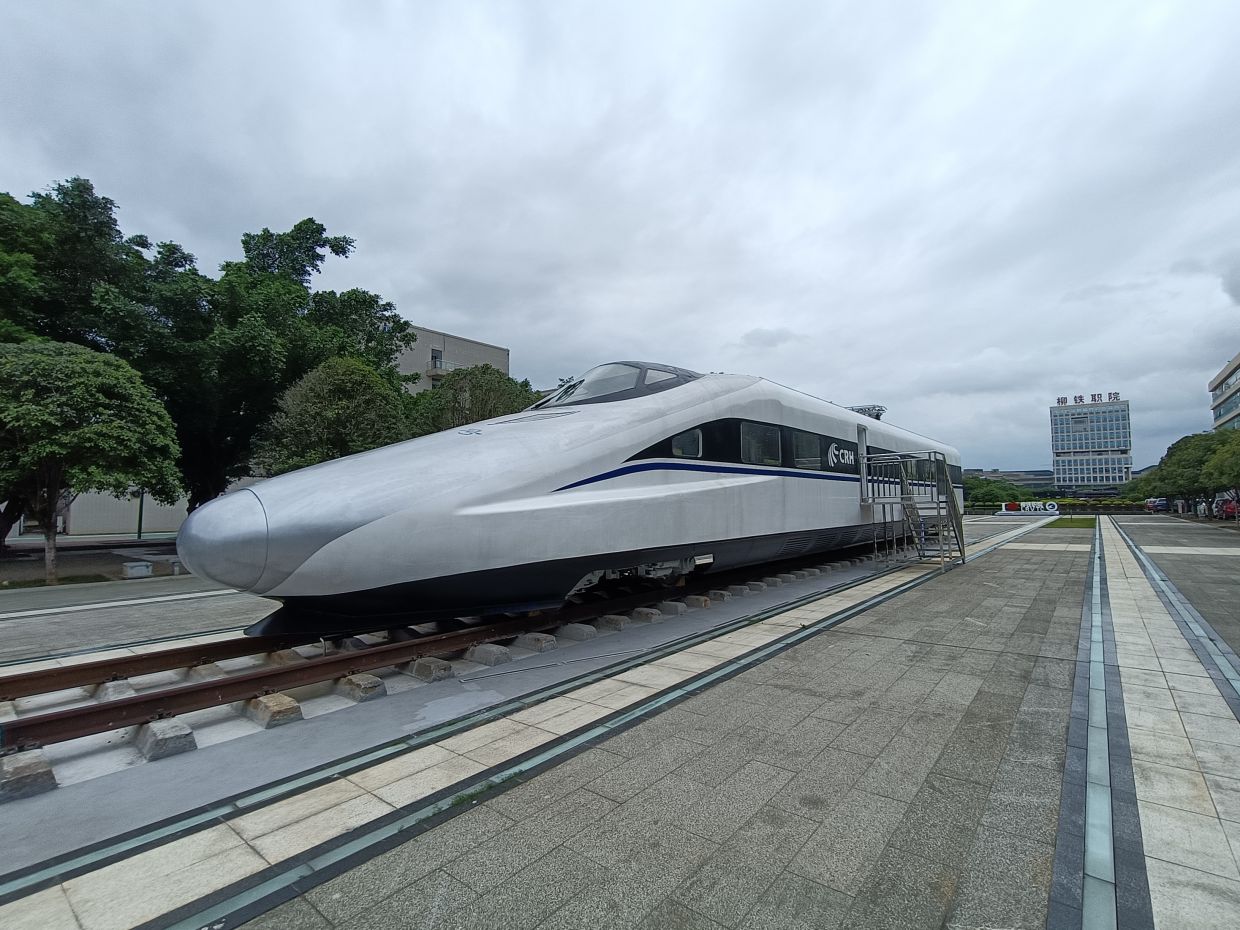
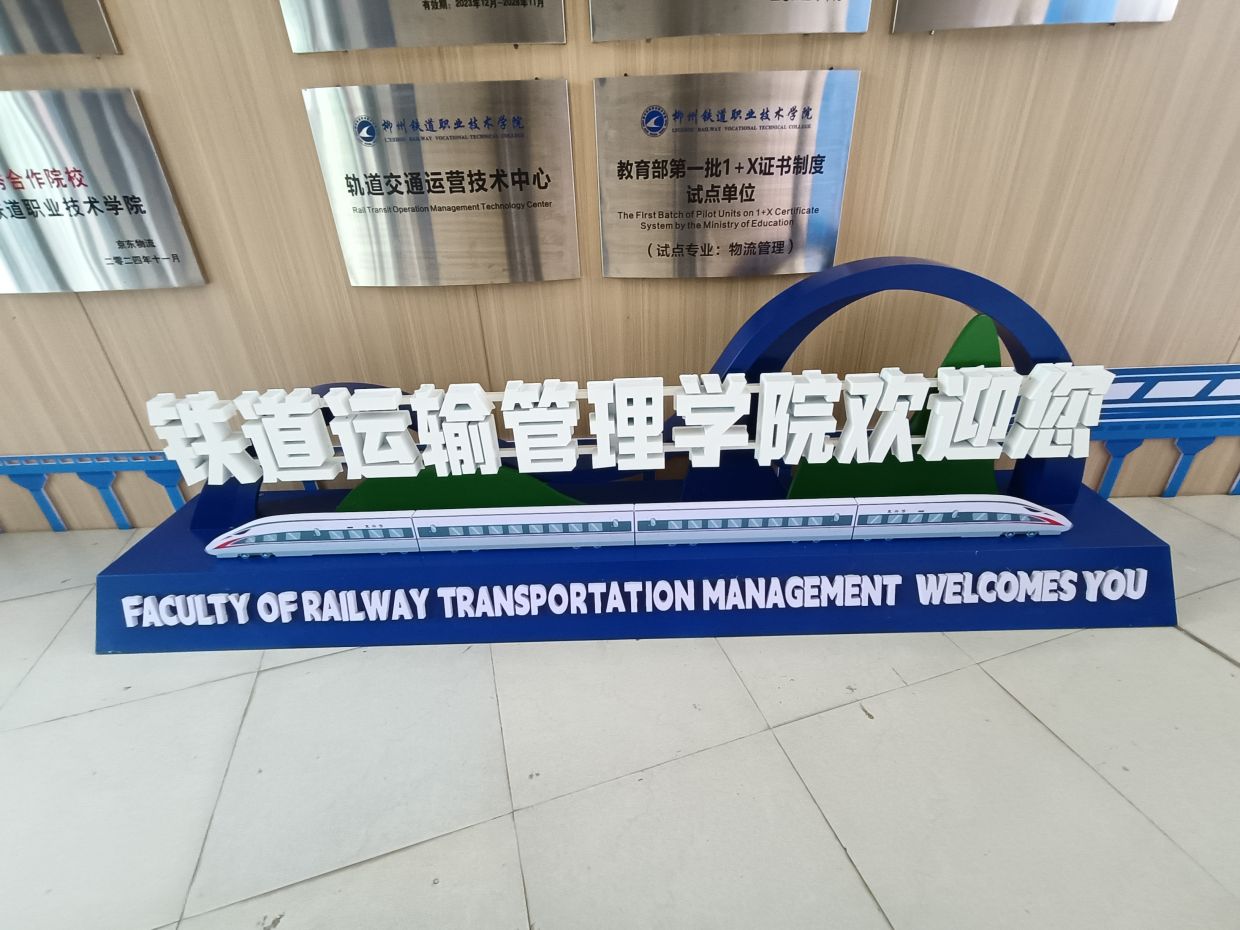
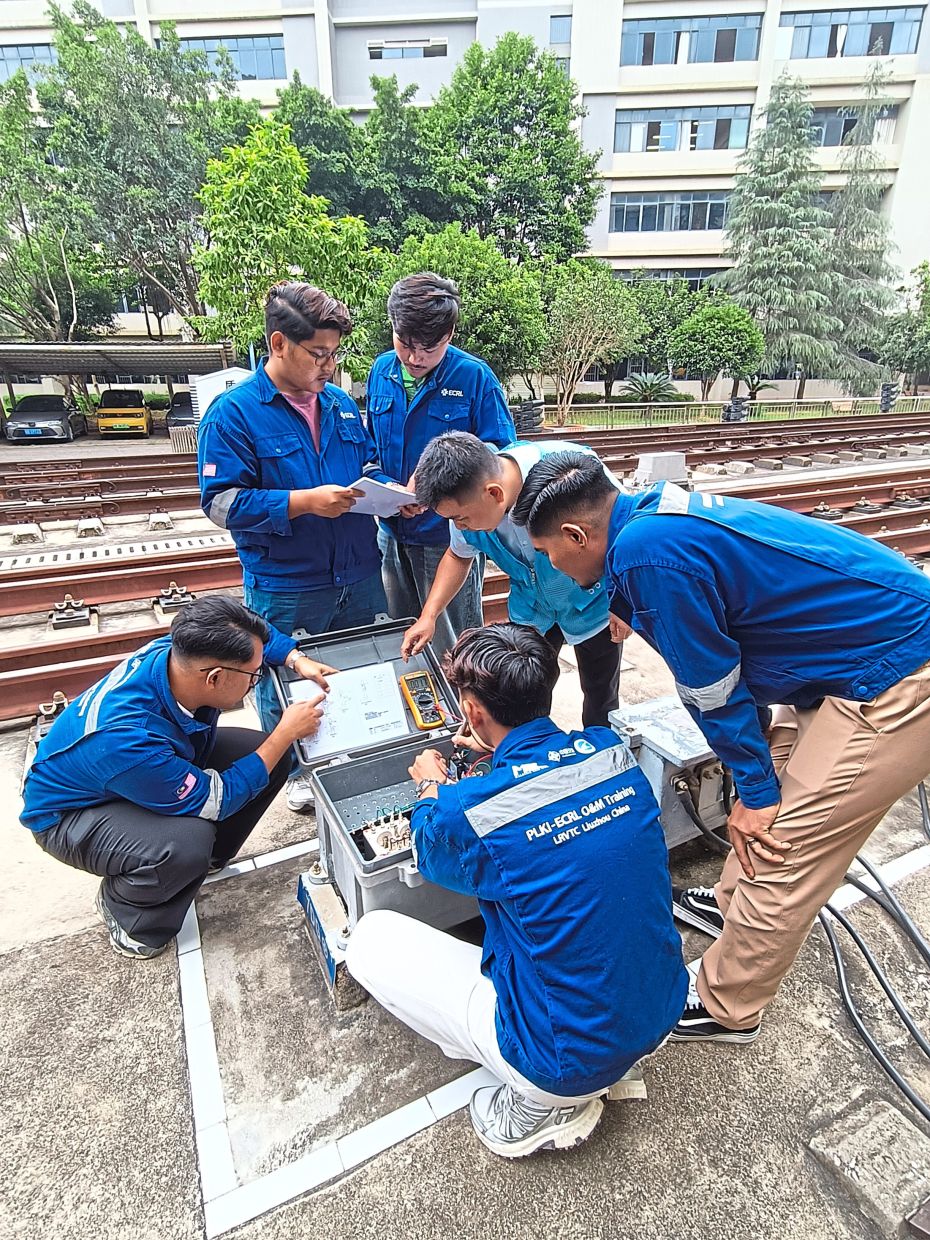
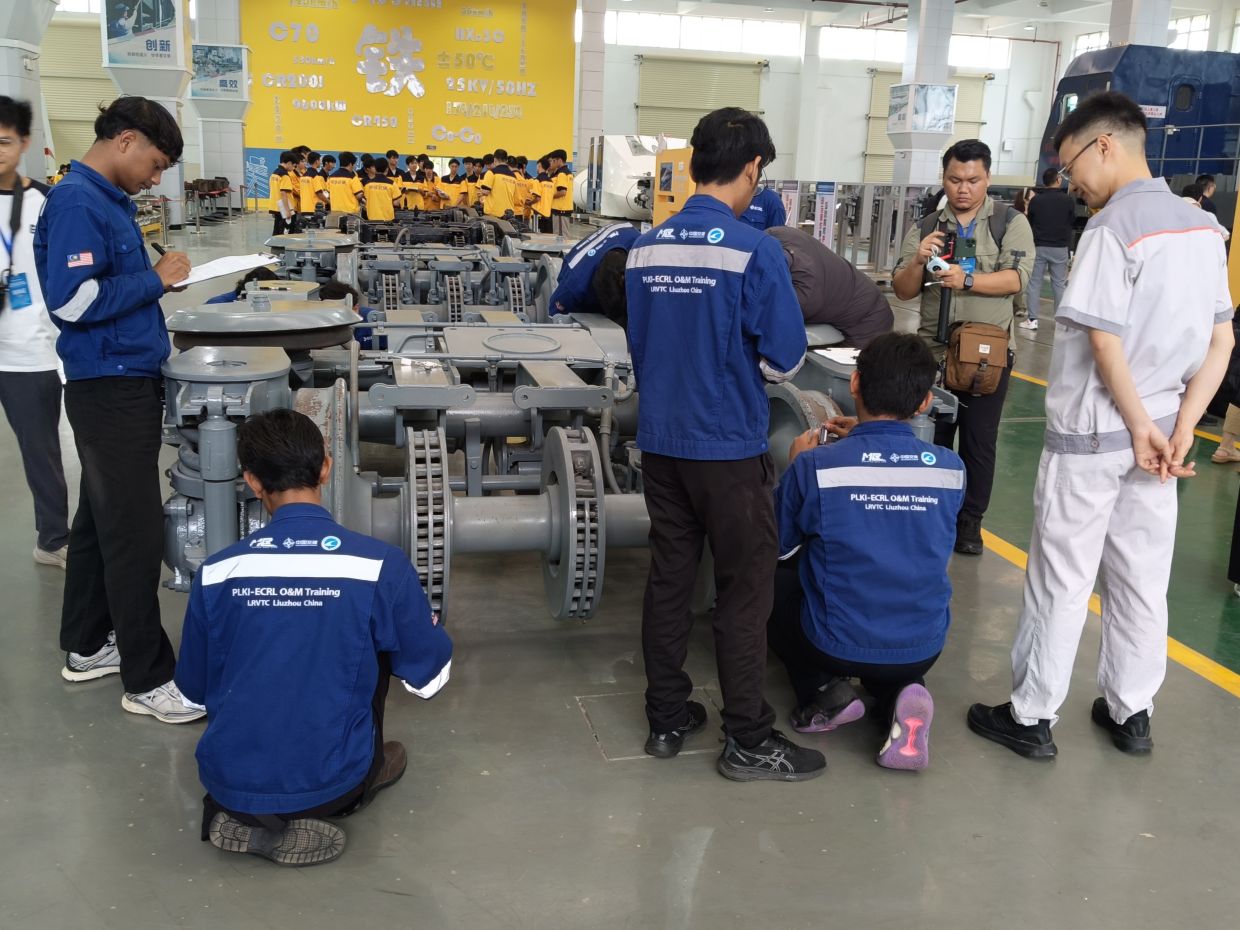
Malaysia’s attempt at building its rail talent pipeline notched another mark last week as the first cohort consisting of 66 young Malaysians graduated after year-long training at the China’s Liuzhou Railway Vocational Technical College (LRVTC).
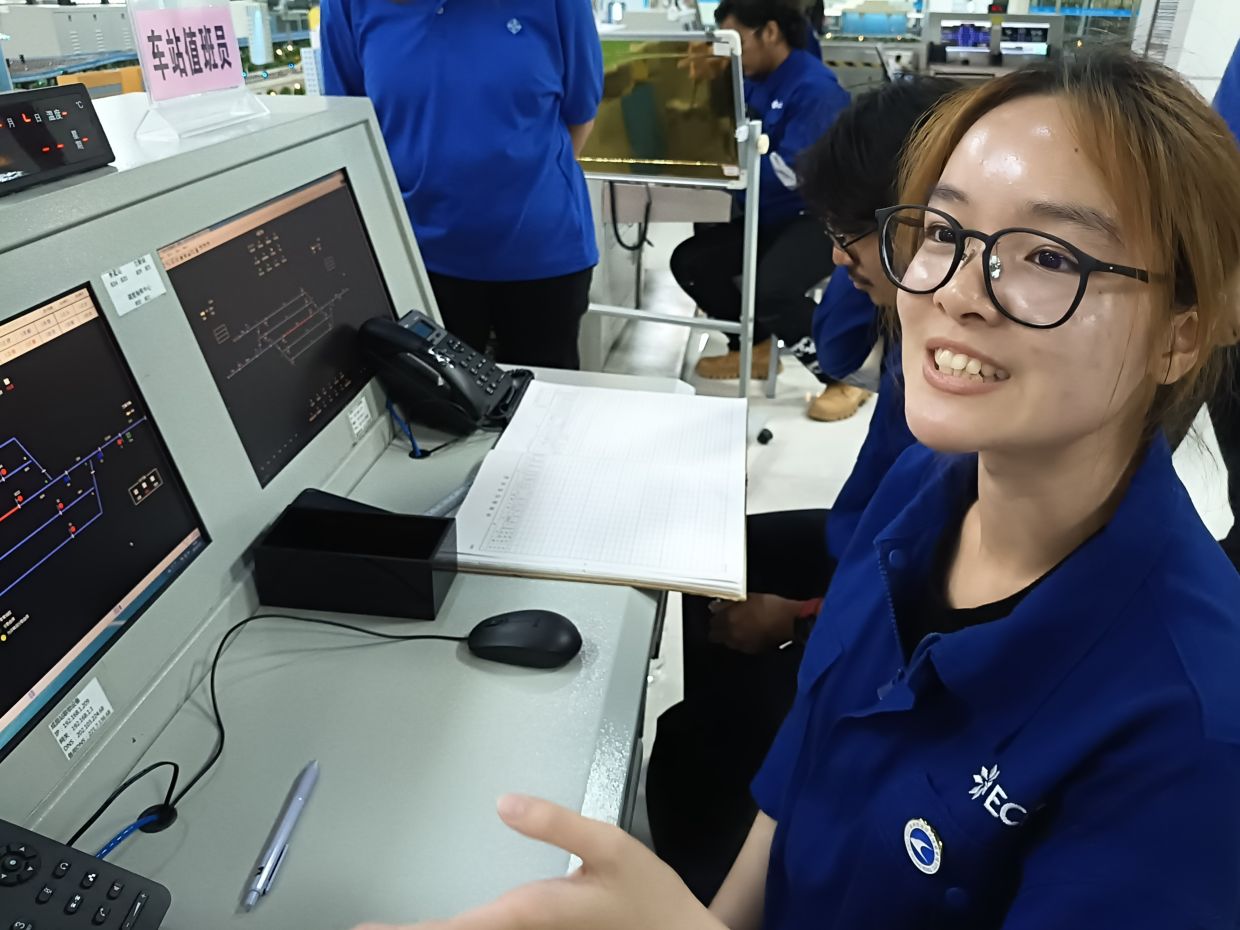
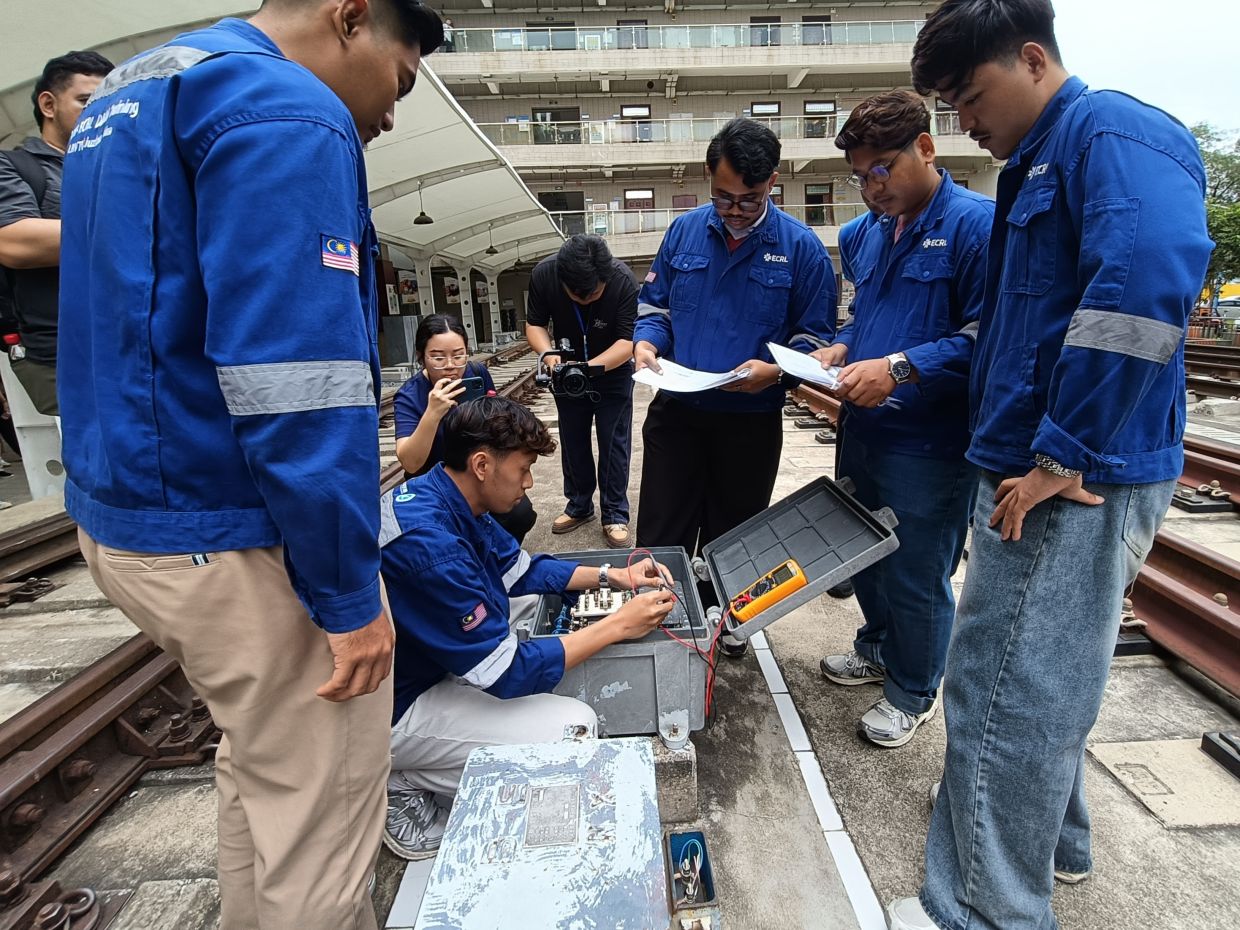
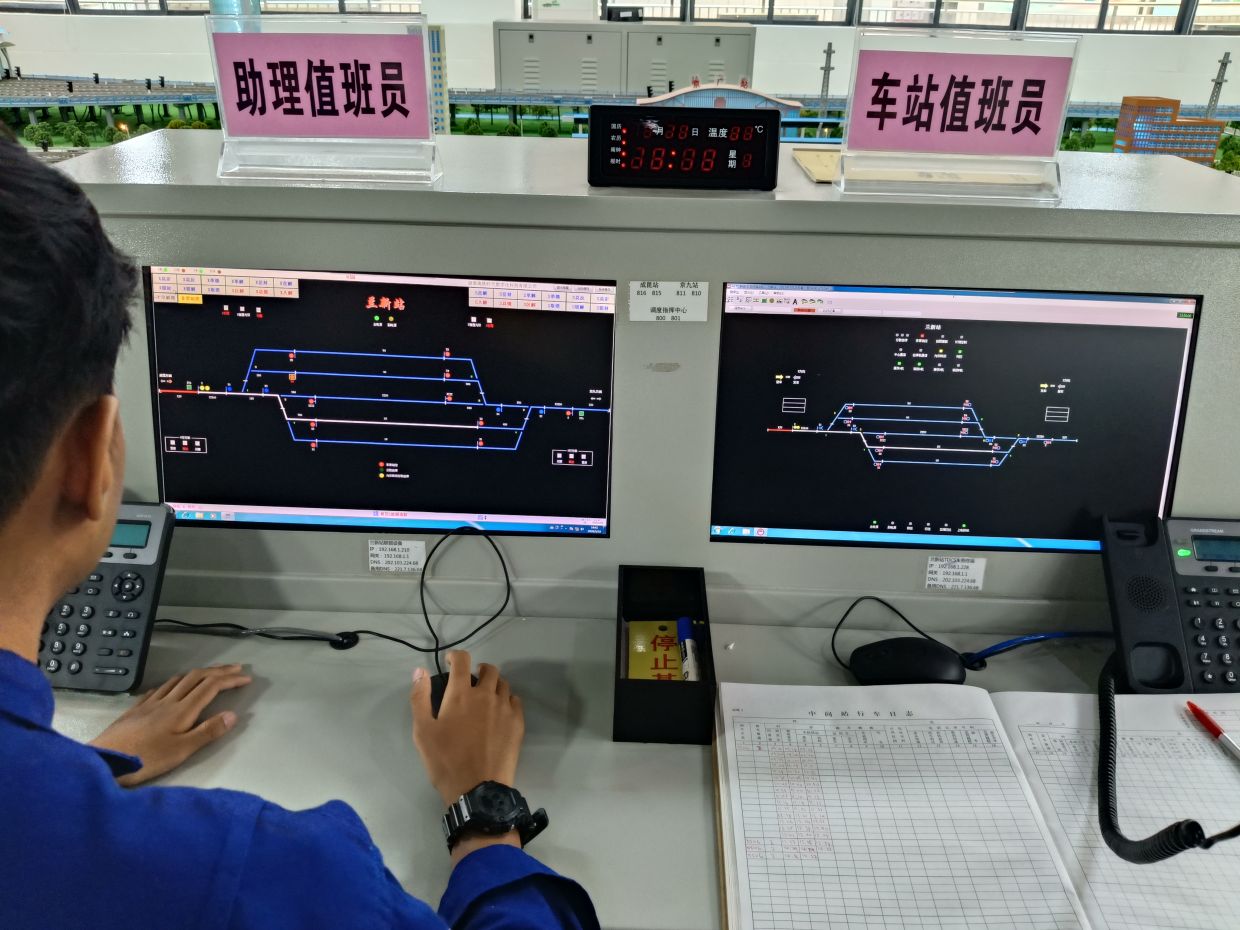
The graduates are participants of the ECRL Industrial Skills Training Programme (PLKI-ECRL) for O&M, and will form the core Malaysian personnel in three critical roles in railway operations, namely assistant station attendants, electric multiple unit technicians, and signalling technicians.
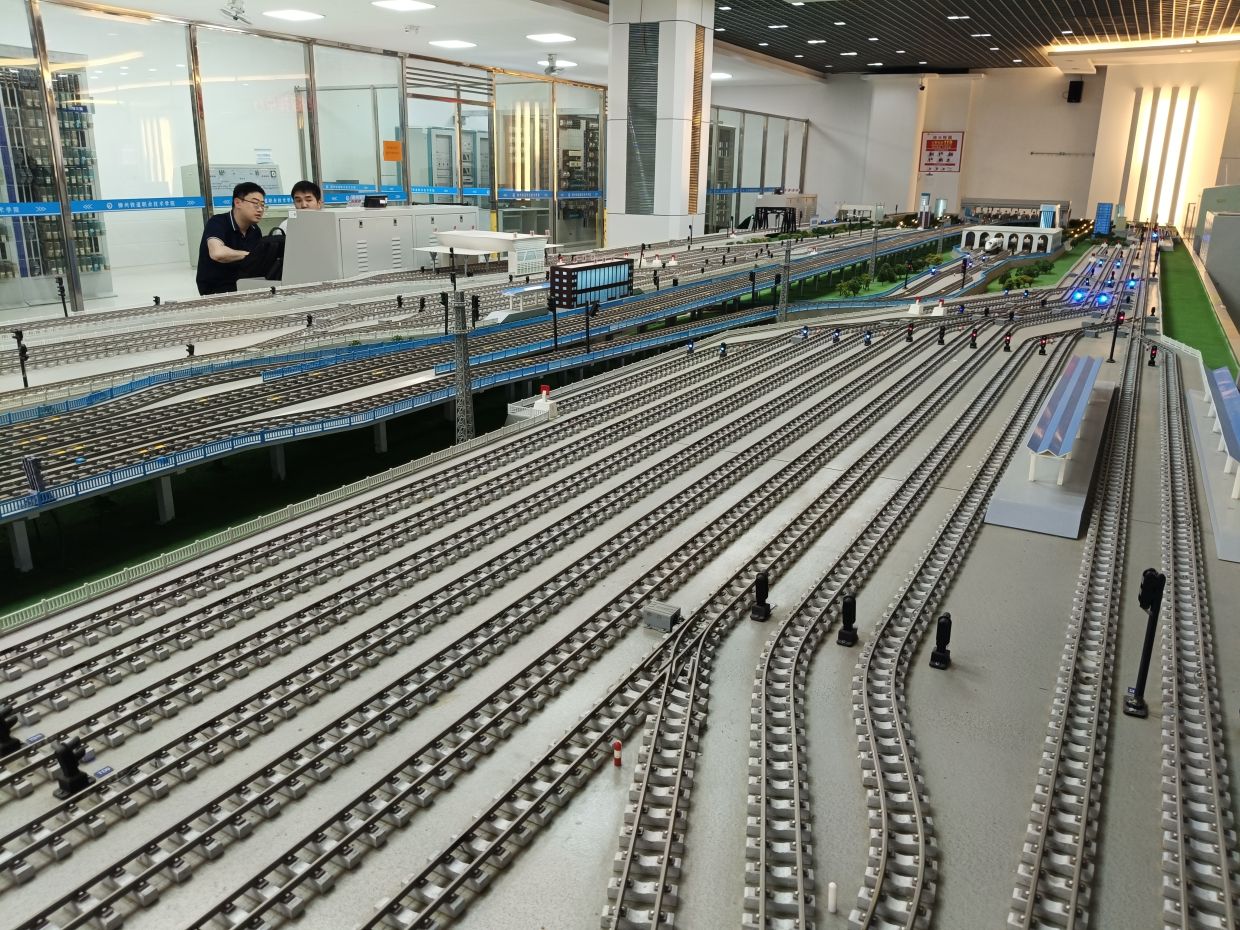
Currently, 259 Malaysian students are undergoing training in LRVTC, all dedicated to preparing for the O&M phase of the 665km ECRL project.
Owned by MRL and CCCECRL (the contractor for ECRL), the PLKI–ECRL programme was established to equip Malaysians with the technical knowledge, practical skills, and operational competencies required for the construction, operations, maintenance, and long-term sustainability of ECRL.
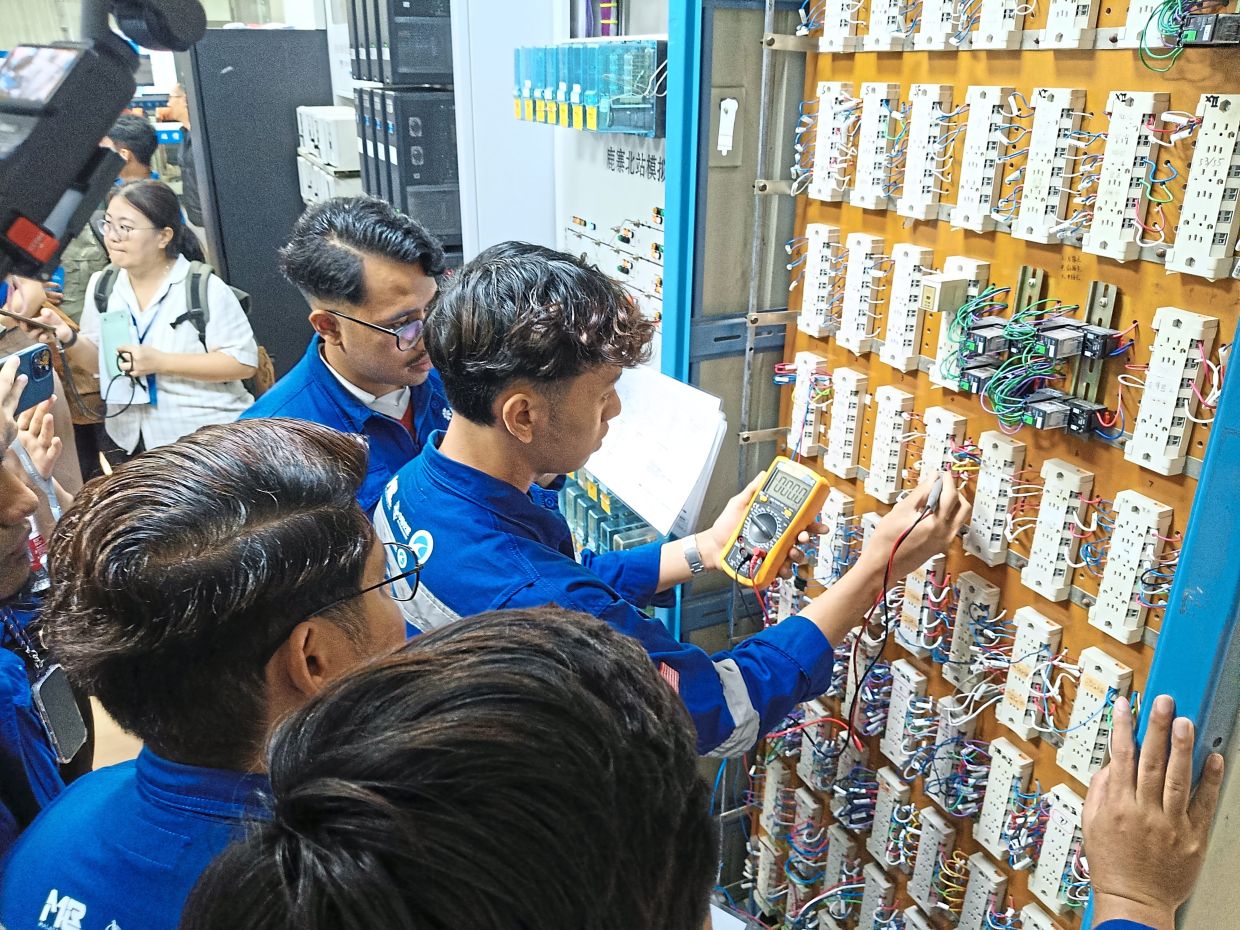
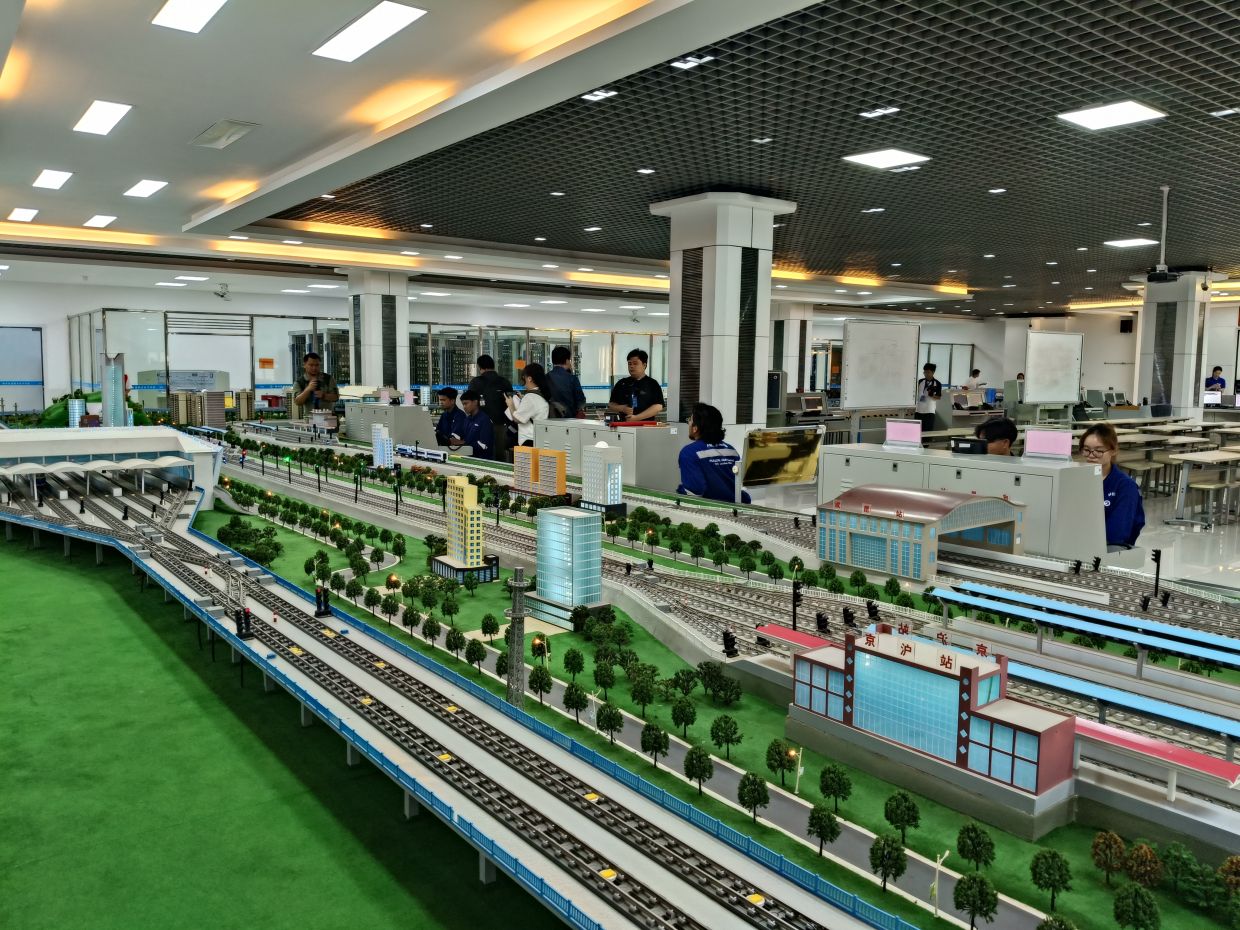
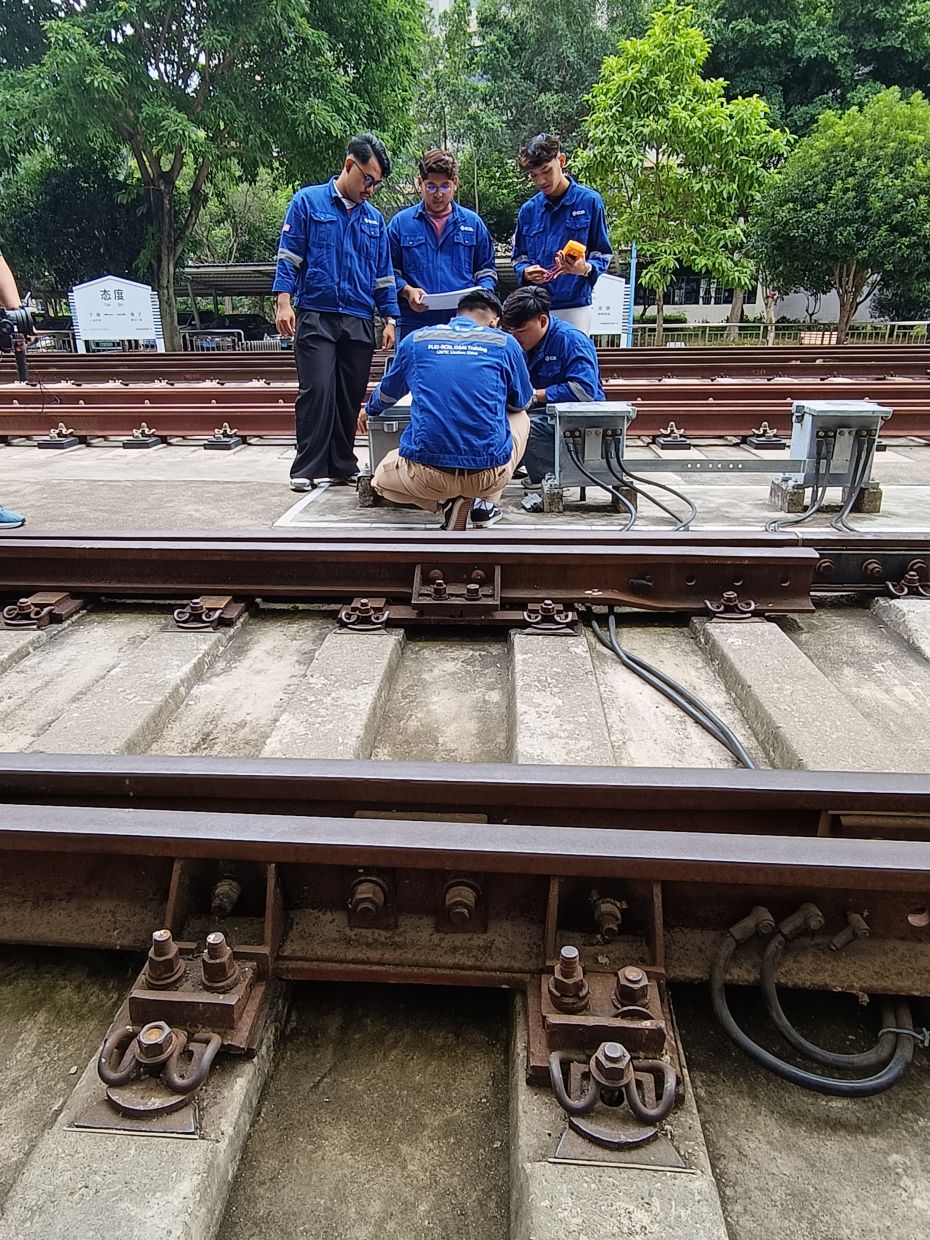
PLKI–ECRL focuses on developing a skilled local railway workforce through structured technical and vocational training, combining classroom learning, practical exposure, industrial-oriented competencies, and railway operational familiarisation.
The programme is implemented through collaboration with various Malaysian education and training institutions to source suitable trainees, particularly diploma final year students and fresh graduates.
Commenting on this positive development, Yuslizar says that whatever the technical aspects that are imparted, the most important will be the mindset shift where safety and reliability is viewed as top priority.
“They must not lose sight of fundamentals like quality assurance, procedure compliance, and continuous striving for technical excellence,” he notes.
“As we can see, the training of human resources for rail here calls for a cross-sectoral and multi-stakeholder approach, and it needs to be robustly backed by government support.
“The end game is to put into practice a comprehensive and structured asset management acumen along with prowess into the workforce. This is the only way to elevate O&M competency to the next level.”
Moving forward
The upcoming lines mean that the demand for qualified personnel for operations and maintenance is never ending.
The PLKI–ECRL programme is implemented through collaboration with various Malaysian education and training institutions to source suitable trainees, particularly diploma final year students and fresh graduates.
Malaysia’s attempt at building its rail talent pipeline notched another mark recently with the graduation of our first cohort of trainees at the China’s Liuzhou Railway Vocational Technical College.
Currently, 259 Malaysian students are undergoing training in LRVTC, all dedicated to preparing for the O&M phase of the 665km ECRL project.
TVET courses are also increasingly shifting towards in-demand rail specialties.
The PLKI–ECRL programme was established to equip Malaysians with the technical knowledge, practical skills, and operational competencies required for the construction, operations, maintenance, and long-term sustainability of ECRL.
Instilling a comprehensive and structured asset management acumen into Malaysia's rail workforce, as they are doing at LRVTC, can elevate O&M competency to the next level, says Yuslizar.
PLKI–ECRL focuses on developing a skilled local railway workforce through structured technical and vocational training, combining classroom learning, practical exposure, industrial-oriented competencies, and railway operational familiarisation.
— Photos: MENG YEW CHOONG/The Star
Digital integration is a key part of the training now as modern railways increasingly embrace the IoT, data analytics, and AI-centric predictive maintenance regimes.
The programme is implemented through collaboration with various Malaysian education and training institutions to source suitable trainees, particularly diploma final year students and fresh graduates. — Photos: MENG YEW CHOONG/The Star

