DRILL rigs towered in dormant clusters along the main highway through Odessa, Texas.
The bartender at a popular oil country bar complained of a noticeable slowdown. Workers in stained shirts from the nearby oil fields winced at the high price of diesel.
“I’m not feeling good about US$5.39,” said Wesley Stacey, who works for a drill pipe rental company, as he filled his pickup and three red gasoline canisters recently.
A surge in oil prices, amid the conflict in the Middle East, has rattled world markets and driven up the cost of gas. But in the Permian Basin, the heart of Texas oil country, few believe that the boom times will return any time soon.
Stacey, 37, said he had heard from friends, including those who left in recent years given low oil prices and fewer jobs, asking if now was a good time to look for work in the Permian again. He tells them to think twice.
“I’m saying, ‘Don’t come back right now,’” he said. “No one knows what’s going to happen.”
In interviews in the twin oil cities of Odessa and Midland, local officials, company executives and oil field workers said the sudden price surge, the slow and expensive process of drilling new wells and the Trump administration’s promise to push down oil prices in the future had tempered discussions of ramping up production.
For now, caution is winning out over expansion.
A closely watched count of drilling rigs compiled by Baker Hughes, a global oil field services company, showed that the number of drilling rigs in Texas had dropped by one over the past week.
“Nobody does anything on a whim,” said Kirk Edwards, the president of Latigo Petroleum, an Odessa-based company with oil and natural gas wells in Texas and Oklahoma.
“It takes months to get a well planned and drilled and completed, and then online.”
But the price of oil, which is set on a global market, can swing rapidly and has risen sharply since the United States and Israel began airstrikes on Iran.
Iran responded with attacks on oil and gas infrastructure around the Persian Gulf and on ships passing through the Strait of Hormuz that carry about 20% of the world’s oil.
Until the war started, the Permian Basin was adjusting to a period of low global oil prices.
Dozens of drilling rigs were taken offline and thousands of people lost their jobs, Edwards said.
“Last year was a terrible year for the Permian,” he said.
“Everybody is asking us to ‘drill, baby, drill,’ but the people are not here right now.”
City leaders have closely watched the price of oil for signs of increased activity.
So far there has been little to speak of, said Cal Hendrick, the mayor of Odessa.
“We’ve seen no increase in anything, quite frankly, except at the gas pump,” Hendrick said.
“Everyone is in a wait-and-see attitude. Is this going to be a hiccup, short-term, 30-day problem? Or is it a six-month, one-year, five-year, 10-year issue?”
Workers who have spent any time in the Permian Basin have lived through several booms and busts before.
Ivan Maldonado, 29, a diesel mechanic who moved to Midland from the Rio Grande Valley seven years ago, said higher oil prices spur hiring and a feeling of job security, but he added that the current spike might not last long enough to do either.
“There’s a lot of people who think that it’s temporary,” he said, standing next to his work truck as the price on the gas pump ticked up.
Despite sitting on vast reserves of oil, gas stations in the Permian often have higher prices than in other parts of Texas because the oil must be refined elsewhere and brought back.
Still, Maldonado texted his friend in disbelief after seeing how much it cost to fill the truck’s tank about halfway: US$140.
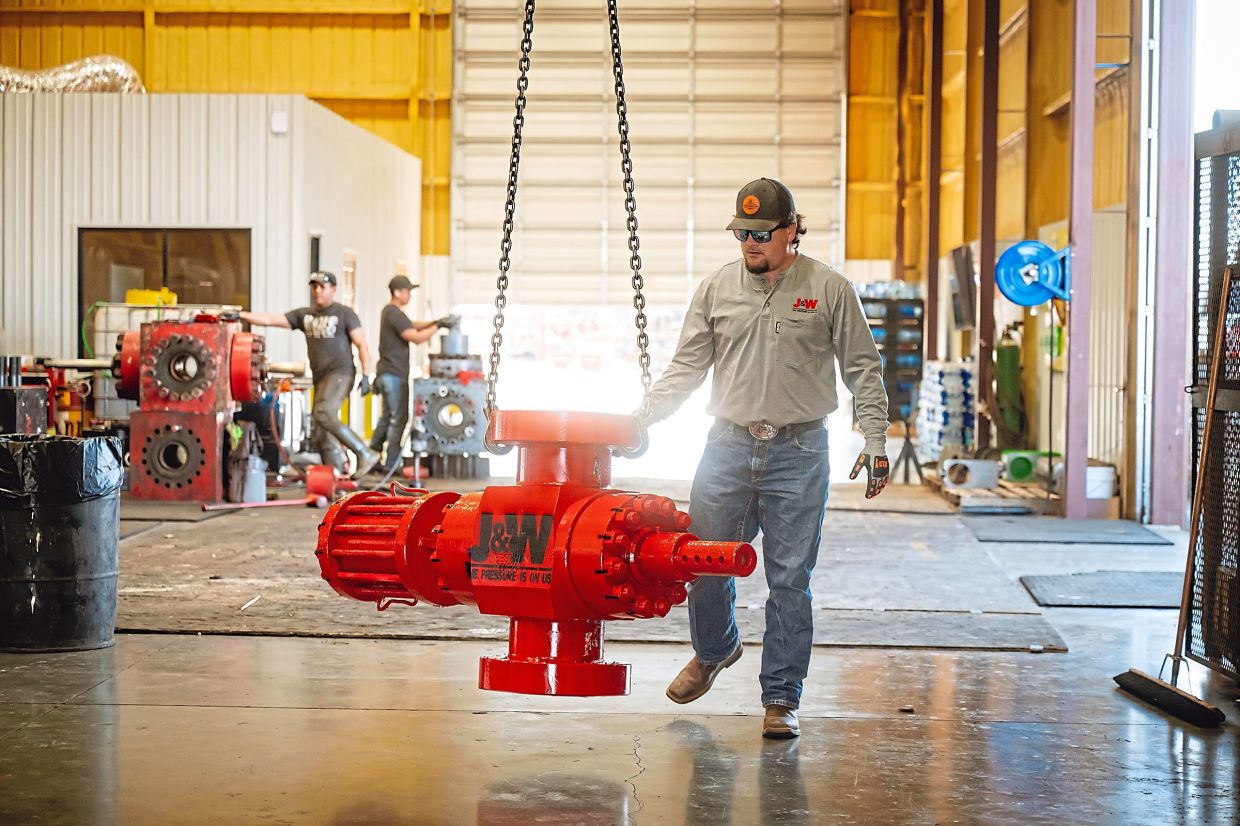
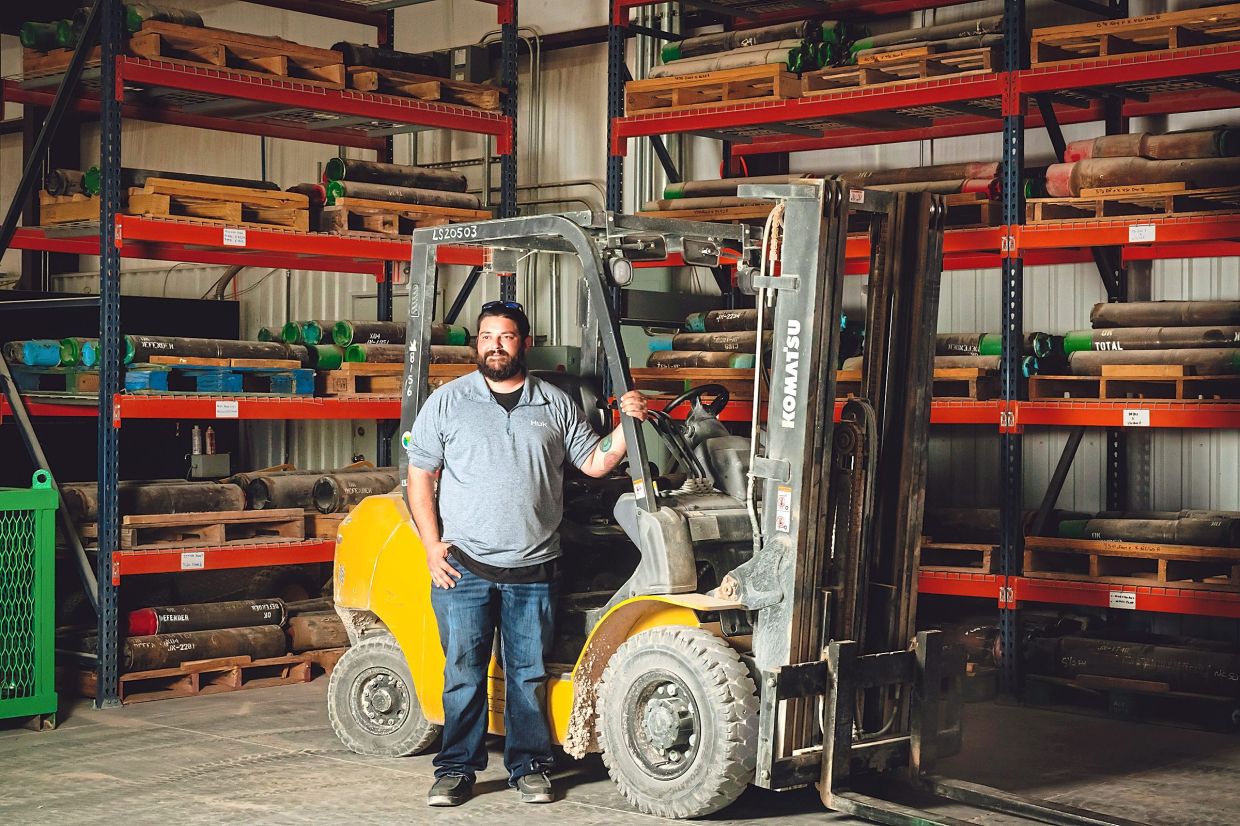
Across the arid urban landscape, at J&W Services, workers drove forklifts through rows of outdoor shelves holding oil field parts.
The Midland company, which manufactures, rents and services products for drilling and exploration, works with large, publicly traded oil companies as well as those that are privately held, said James Power, the director of business operations.
None of those firms were ramping up production.
As a result, J&W Services is sticking to its forecasts and planning that predated the Middle East conflict.
“The boom-and-bust cycles, trying to ride the high and not really knowing when the bottom is going to drop out, those days are really behind us,” Power said, sitting in his office.
“So many people got burned in the past.” — ©2026 The New York Times Company
This article originally appeared in The New York Times
Already a subscriber? Log in
Get 20% OFF The Star Digital Access
Cancel anytime. Ad-free. Unlimited access with perks.