“WE want to give back to Malaysia.”
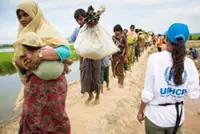
That’s what Peter (not his real name), a refugee from Myanmar, says as he recalls how Malaysia has provided him and his family a safe haven since they escaped from their country.
For Peter, giving back means working, paying taxes and contributing to the economy.
But without the legal right to work, he remains in the informal sector, vulnerable to exploitation and uncertainty.
And without access to public education, his children face a similar limbo, unsure of what formal opportunities await them when they reach adulthood.
Peter and his family are just one of over 211,000 registered refugees and asylum seekers in Malaysia at present, where almost nine out of 10 are from Myanmar.
As Malaysia does not have domestic law recognising refugees, nor has it ratified the 1951 Refugee Convention, these people are thus treated under the law as undocumented migrants without legal status to work or access education.
Policymakers and advocates now argue that these two barriers are deeply connected, as a child denied schooling is far less likely to become a contributing worker for Malaysia later.
Education for all
Currently, in Malaysia, refugee children are not allowed to enrol in government schools, and only a handful have access to some form of learning – usually through community-run centres set up by the refugee communities themselves or by non-governmental organisations.
“The right to education is such a basic right. It’s so basic,” says the National Human Rights Commission (Suhakam) Children’s Commissioner Dr Farah Nini Dusuki, who also notes that Malaysia is a party to the Convention on the Rights of the Child (CRC).
Even under Malaysia’s own Child Act 2001, which “is very in line with the CRC” in that it provides for free and compulsory primary education to all children, she says the law does not discriminate and applies to every child in Malaysia.
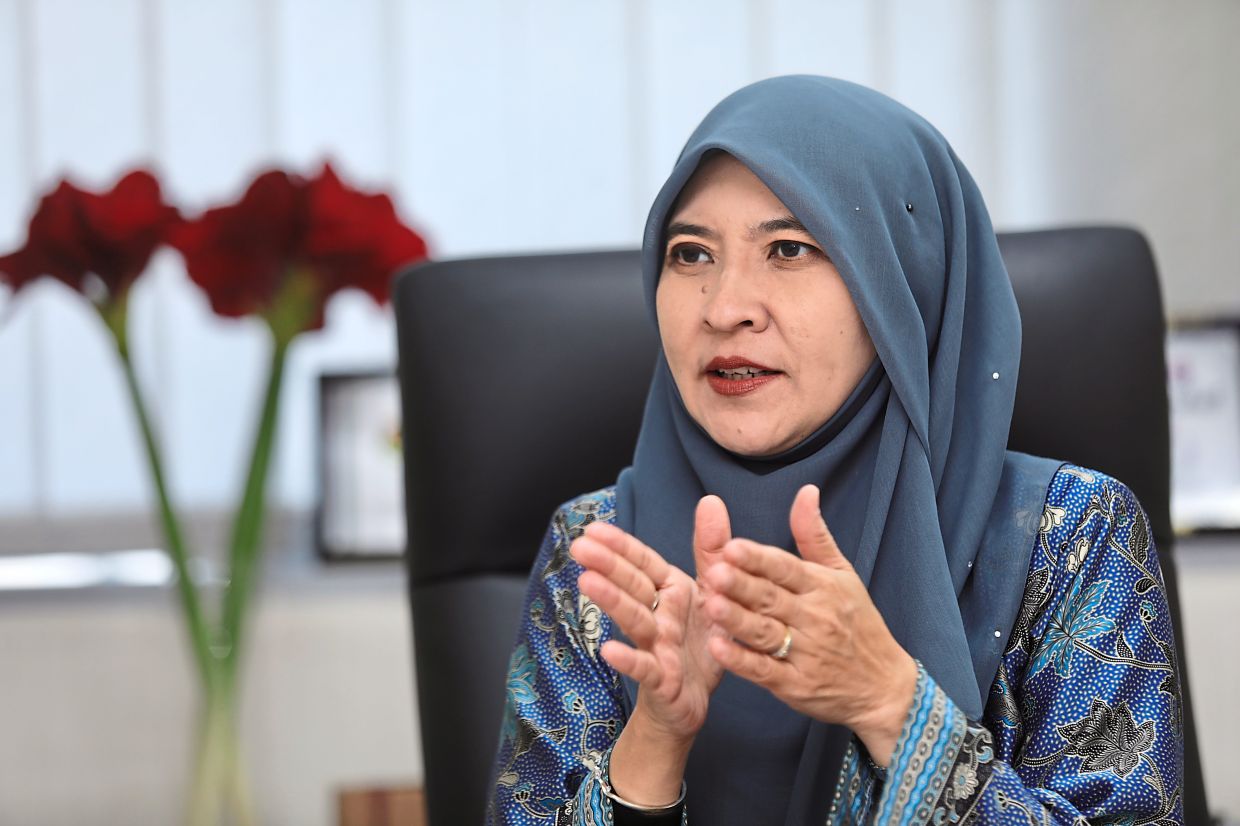
“It doesn’t say that it is only for Malaysians. It says, “all children below 18 years old”, she adds, speaking at a symposium held in Parliament recently.
ALSO READ: Speaker Johari urges MPs to champion refugee issues in Parliament
But it is not just about legal obligations, as experts stress that access to education, including higher education, is also a matter of long-term economic and social planning.
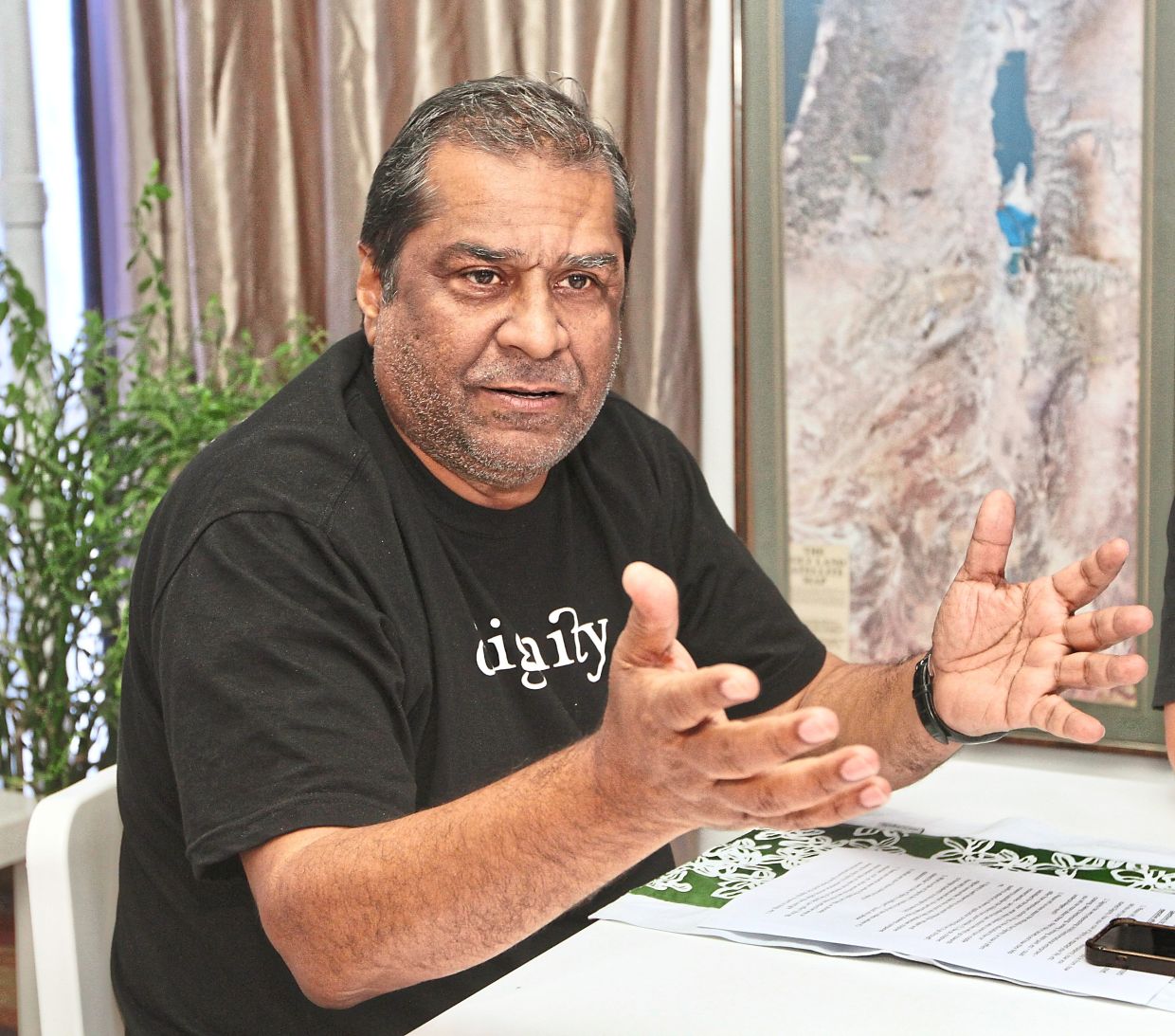
There is global evidence that providing refugee youths with higher education leads to the host country recovering its costs through productivity and taxes, says Dignity for Children Foundation co-founder Reverend Elisha Satvinder.
“And intuitively, we know that it also leads to a reduction in social costs. You also have fewer people who need to rely on aid, who are self-reliant.
“And so it behoves us that as they enter into adulthood, they are equipped with the required baseline skills for employability,” he says.
Without these skills, these refugee children who grow up in Malaysia risk becoming adults with limited options beyond informal work, thereby perpetuating the same vulnerability their parents are facing today.
Pragmatic economic boon
And as Malaysia continues to grapple with labour shortages across several key sectors, experts and policymakers say we are ignoring a ready-made solution by refusing to provide refugees with the legal right to work.
“There are pragmatic economic reasons for providing (refugees) the legal right to work.
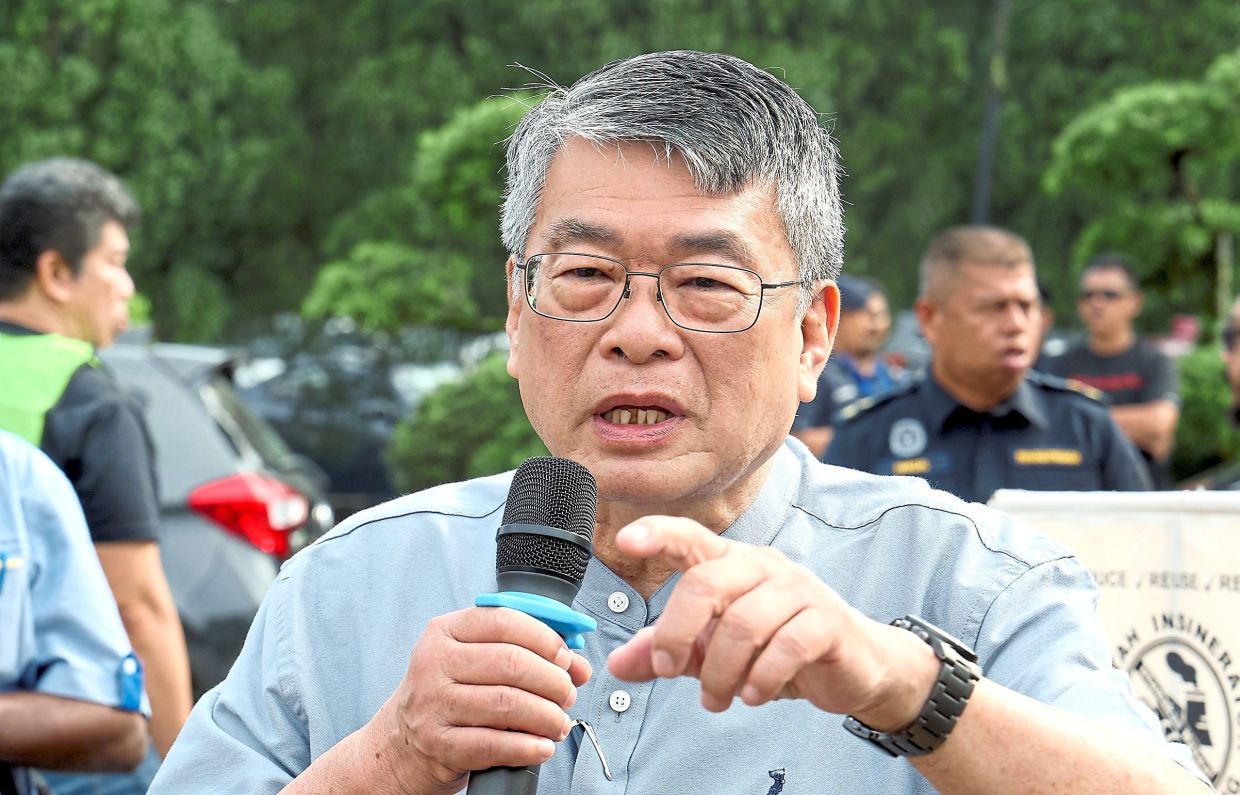
“What we have is already a steady supply, an on-demand pool that is capable, yet we are spending much time and effort trying to get foreign workers to come into these various sectors, paying expensive, heavy levies when we already have an available pool,” says Selayang MP William Leong, who is also the chairman of the Parliamentary Special Select Committee on Human Rights, Elections and Institutional Reform.
For example, Malaysian Employers Federation (MEF) adviser Datuk Shamsuddin Bardan points out that many refugees have a good command of the English language, and as such, they could be a good source of employees for the service sector, such as retail and hospitality.
Building on this economic argument, economist Dr Muhammad Abdul Khalid points to Germany’s experience following the Syrian refugee crisis as evidence that integrating refugees into the workforce can yield measurable gains.
Rather than restricting refugees to “3D” (dirty, dangerous and difficult) jobs, he says Germany took in highly qualified refugees, which ended up benefiting the country.
“Germany did a study (on the economic impact). It was a net benefit. Refugees give more than what they take.”
Even in Malaysia, similar studies were conducted, which he says showed that it resulted in increased wages and increased overall GDP, even though it was only marginal.
Yet despite these economic arguments, the experts acknowledge that the resistance to granting refugees the legal right to work is often due to the public’s fear of refugees taking away jobs from locals.
Leong says that this is simply not true.
“They are not here to take away your work. They are here so that they can supplement and provide and contribute to the economy and not be looked at as just a burden.
“I think if we can start changing the mindset, I think we need to do that,” he says.
Not only that, he says, “We cannot close our companies and think that the refugees are just going to roll over and leave our shores.”
“What we are doing by not providing them legal access (to work) is to force them to become vulnerable and to be exploited.”
Besides, adds Shamsuddin, once these refugees have legal work access, they could use their experiences and recognition to move onto better opportunities outside of Malaysia, which is a more effective plan to resettle refugees.