THIS year marks a decade of collaboration between Malaysia and the World Bank Group, which established the World Bank Group Inclusive Growth and Sustainable Finance Hub in Kuala Lumpur in 2015. Over the past decade, the Hub has evolved into a platform for research, policy advice, South-South knowledge sharing, and private-sector investment and advisory services.
The Hub continues to support Malaysia’s development goals and ambitions, including job creation, and its work is closely aligned with the government’s Malaysia Madani framework.
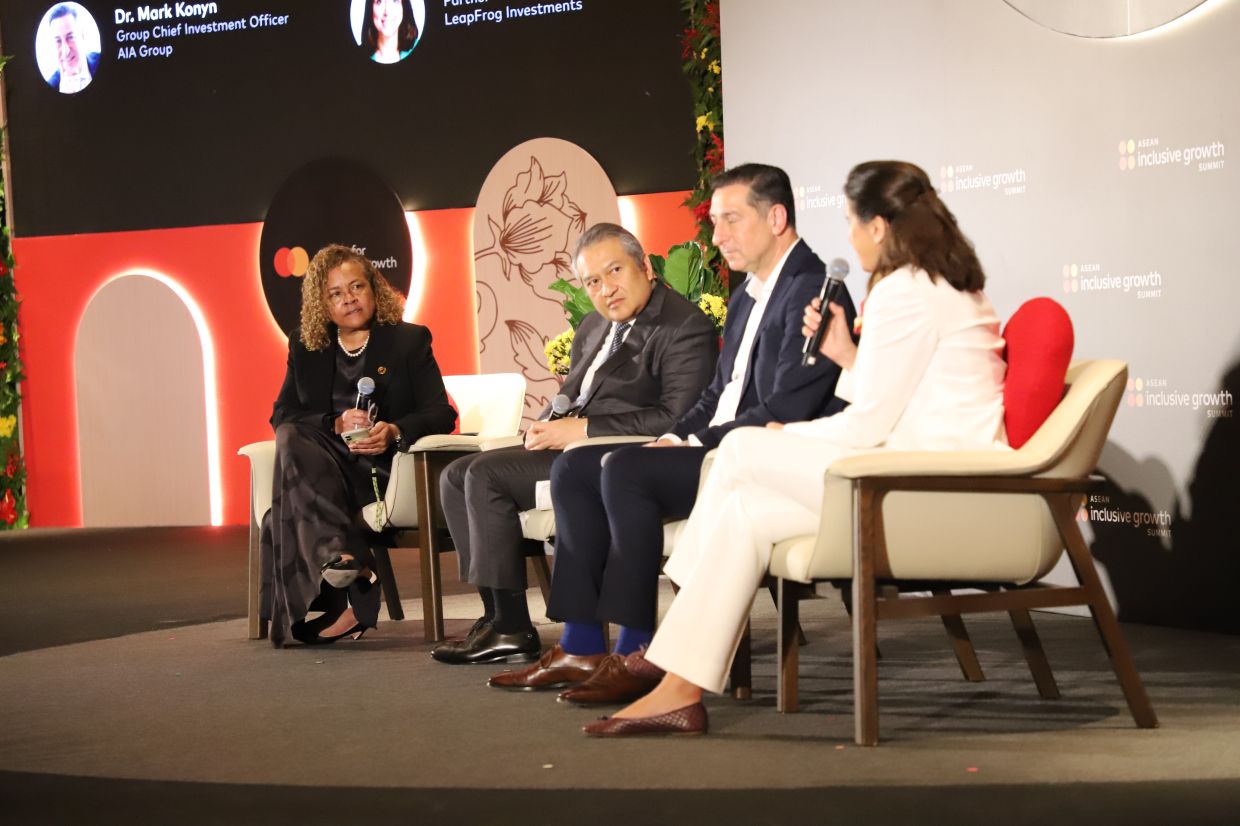
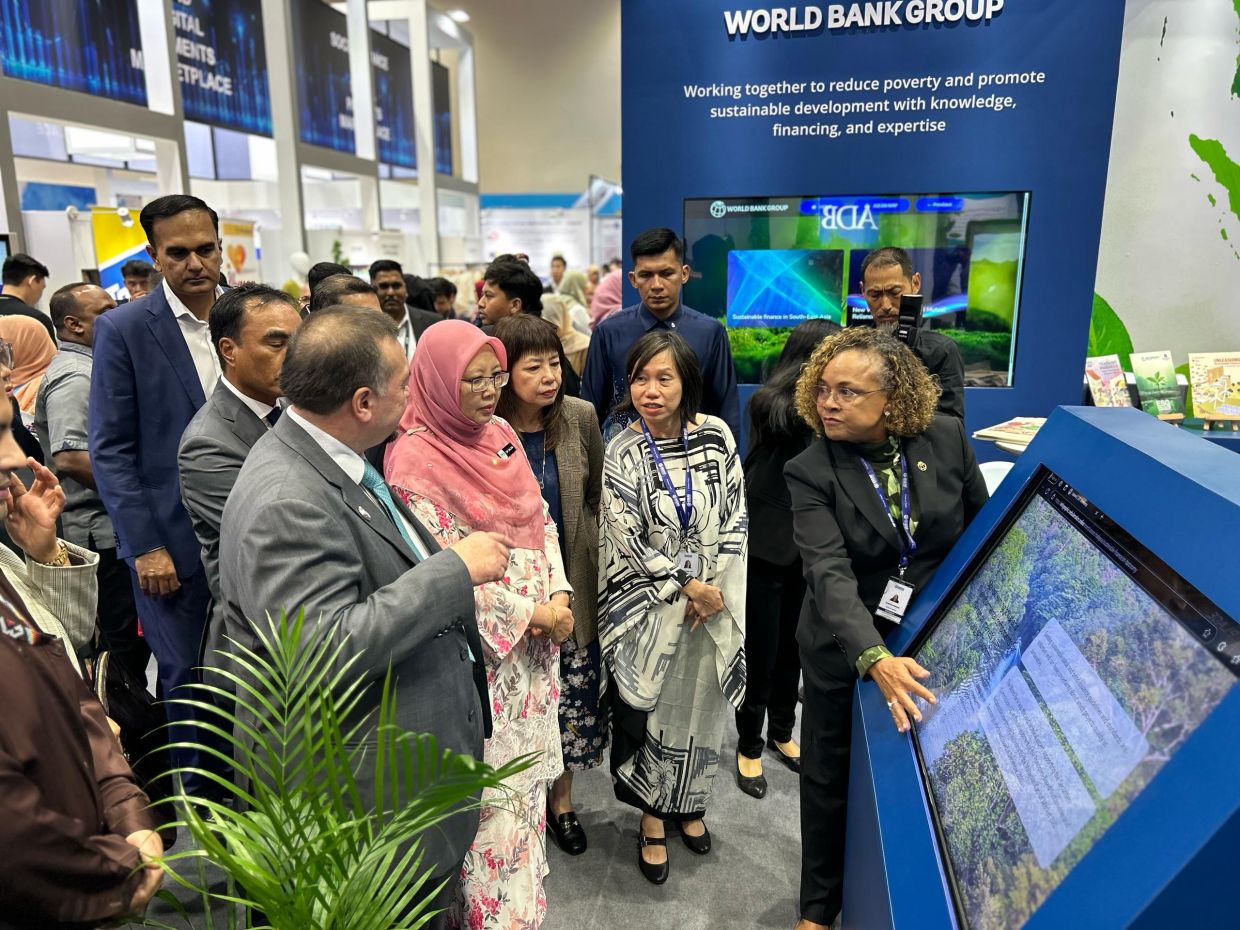
To commemorate its decade of strategic partnership with Malaysia, the World Bank Group country manager Judith Green speaks to the Sunday Star.
> What are the World Bank Group’s strategic priorities in Malaysia?
In alignment with the Malaysian government’s priorities, the World Bank Group primarily engages with the country’s public and private sectors across three pillars – supporting economic growth, promoting sustainable and Islamic finance, and strengthening governance.
We collaborate with stakeholders in both the public and private sectors, ensuring our initiatives are fully aligned with Malaysia's Madani vision and other important development roadmaps set by the Government.
> Can you share some of the outcomes of Malaysia's partnership with the World Bank Group?
The World Bank Group collaborates closely with the Malaysian government and key stakeholders by offering expert advice as well as technical and financial assistance to promote sustainable, inclusive growth.
A strong example of this is our work to support the development of the Islamic sustainable finance market in Malaysia, including playing a key role in developing the country’s green sukuk market with the first green sukuk launched in 2017.
We provided technical assistance, advised on structuring the sukuk, and ensured compliance with international green standards, helping Malaysia position itself as a leader in green Islamic finance.
We also worked with Bank Negara Malaysia and other partners to develop the Value-based Intermediation Financing and Investment Impact Assessment Framework (VBIAF), which facilitates the implementation of an impact-based risk management system for assessing the financing and investment activities of Islamic financial institutions.
The International Finance Corporation (IFC), our private sector arm, established a presence in Malaysia in 2023, allowing us to now offer the full suite of services across the public and private-sector sectors. Since establishing a presence in Malaysia, IFC has committed over US$2bil (RM8.2bil) including mobilisation to projects in Malaysia, some of which are in sectors that the World Bank has supported with policy work over the last decade. One example is our contribution to Malaysia’s digital transformation.
The IFC last year provided a US$150mil (RM614.6mil) on financing package for the construction of the Yondr Group hyperscale data-center campus in Johor Bahru, which helped mobilise over US$800mil (RM3.3bil) from a consortium of global financial institutions.
This follows the World Bank’s policy dialogue on digital infrastructure, and it also aligns with Malaysia’s ambitions to become a regional digital hub, boost competitiveness, and create more and better jobs. The facility is also expected to be certified with IFC’s Excellence in Design for Greater Efficiencies green-building certification, aligning with Malaysia’s climate goals.
Another example is an innovative US$70mil (RM286.8mil) blue loan that IFC provided to support Shandong Intco Recycling Resources in building a multi-material plastic recycling plant in Selangor that will help address the country’s plastic-waste management challenges. This complements the Group’s joint World Bank-IFC collaboration on plastic circularity, which lays the foundation for more investments in this space.
These initiatives show how our thinking and working as a Group can support the Government in addressing structural bottlenecks, facilitate an enabling environment for investment, crowd in private capital, and generate new opportunities for jobs and growth in Malaysia.
> Where do you see the most opportunities for Malaysia in terms of public and private engagements?
I believe the World Bank Group has many opportunities to further support Malaysia’s development. The Madani Framework seeks to raise the ceiling and the floor, which aligns with our own initiatives at the World Bank Group of promoting inclusive growth and ensuring that the benefits of development reach all segments of society.
We’re advising the Government on blended and sustainable finance and how Malaysia can create and grow markets for both, which has both public and private sector elements.
We are particularly focused on ensuring that Malaysians can access quality jobs. We’re doing work on the implications of technological change on employment, with a view to identifying both the types of skills people will need going forward, and how they can be supported to develop those skills.
And at state level, we are working closely with the Sarawak state government to reform state-owned enterprise governance and public financial management, an initiative that will help to increase investor confidence and enhance job opportunities for young people in Sarawak. Recently, we completed the first nationally representative survey of Malaysian companies on inclusive employment practices to inform additional policies that will enable women and caregivers to thrive in the workforce.
We also facilitated public-private discussions on policy instruments, including for mobilising private finance, to enable industrial parks to meet sustainability requirements, which are in high demand from investors.
We also have an engagement in the works with Cagamas, the National Mortgage Corporation of Malaysia, which aims to advance green-building finance in the country. Part of that project will be to facilitate knowledge exchange on addressing barriers to sustainable housing development between the public sector and the banking sector.
We also just announced a collaboration agreement with Permodalan Darul Ta’zim and Ditrolic Energy to jointly develop the Southern Johor Renewable Energy Corridor, which supports Malaysia’s ambitions to advance the Asean Power Grid (APG) Initiative by facilitating cross-border electricity trade with Singapore. The World Bank Group is also supporting the APG at both the public and private sector level through the Asean Power Grid Financing Initiative.
Our long-standing experience in public-private partnerships (PPPs) across the World Bank Group also positions us well to support Malaysia’s new Public-Private Partnership Master Plan 2030 (“PIKAS”). We’re exploring public-private engagement in everything from biodiversity and energy to health.
We’ll continue looking for ways to collaborate across our institutions to support the creation of an environment that’s ripe for high-value investments and job creation.
> How would you describe Malaysia’s year as Asean Chair?
As Asean Chair, Malaysia led efforts to enhance regional cooperation on key issues such as energy, sustainable finance, economic development, and financial integration, all of which align with the World Bank Group’s vision and initiatives and complement our efforts in the country, as well as our support of energy transition in the region.
Malaysia’s Asean chairmanship has been an excellent opportunity for the country to play an expanded leadership role in shaping the region’s future, and we look forward to being a key partner in supporting efforts to achieve these goals.
> As the World Bank Group marks 10 years in Malaysia, how do you see the partnership evolving in the next decade?
Looking ahead, we see tremendous opportunity to further support Malaysia’s aspirations in areas including human capital development, climate resilience, technological innovation, and overall economic growth. Our goal is to continue being a trusted partner to Malaysia in its development goals and ambitions.
Having completed my first year as Country Manager, I’ve seen firsthand how this partnership continues to evolve and the impact we are having as a group. The transition to a single Country Manager role – overseeing both the World Bank and IFC – has made it easier for our Malaysian partners to access the full suite of our products and services and to deliver impact across both the public and private sectors in the pursuit of growth and jobs.
The government of Malaysia has over the years provided partners, such as the WBG, roadmaps of key subjects of focus, be it the New Industrial Master Plan, the National Energy Policy, the Malaysia Digital Economy Blueprint, and the 13th Malaysia Plan. We’re excited to see what the next 10 years has in store for Malaysia’s development and continuing our impactful partnership with the Government of Malaysia.