

“YOU need the work,” one woman said, “so you shut your mouth.”
#MeToo has reshaped Hollywood and boardrooms, but for cleaners, secretaries and supermarket workers, the movement feels like a distant echo.
Many say sexual violence remains part of their daily reality, with little justice or recognition.
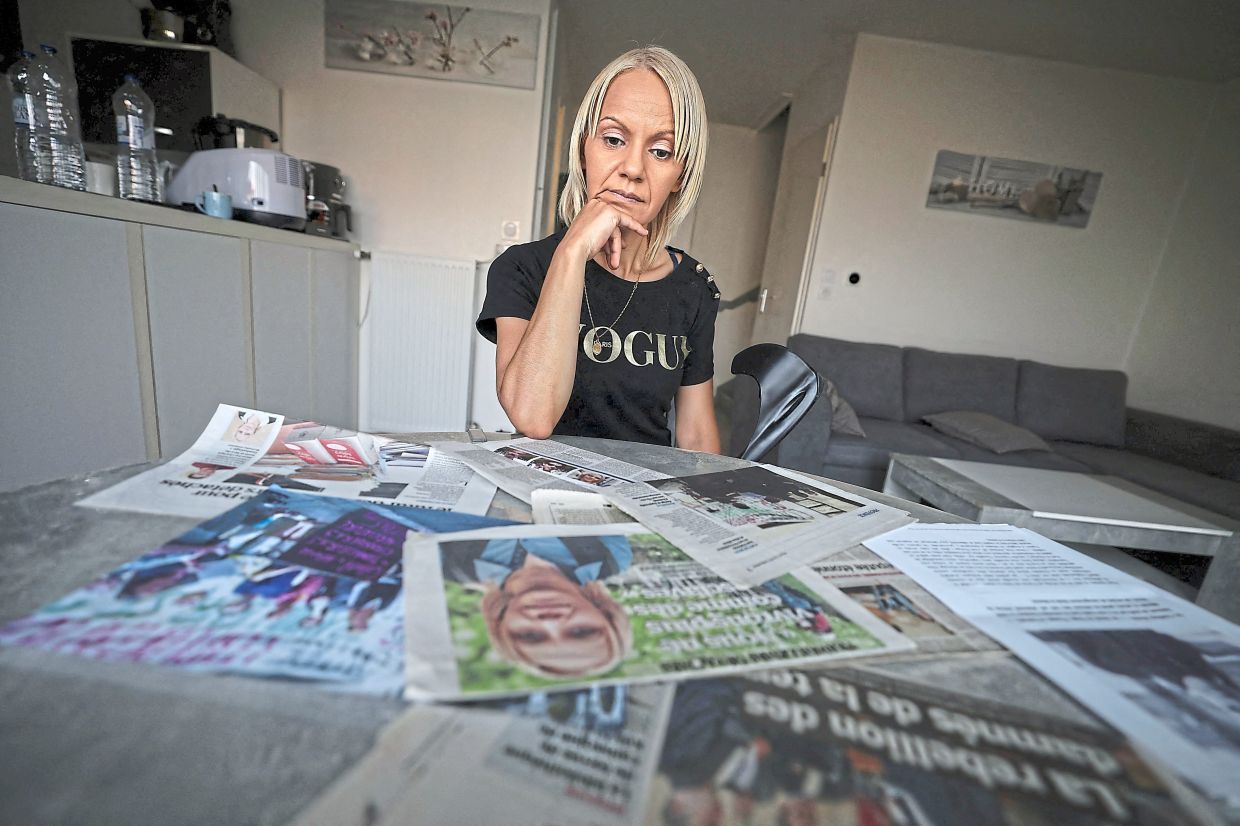
Yasmina Tellal, 42, spent six years picking and packing fruit and vegetables in southern France.
“From the start,” she recalled, her bosses “established a system of fear. They would kiss us during breaks, touch us and try to pay us €300 to sleep with them. One day, while I was in the car with my supervisor, he stopped at a rest area, grabbed my hand and placed it on his thing.”
Tellal arrived from Spain in 2011 via a temp agency, expecting a proper contract at the French minimum wage – around €1,800 a month – with food and lodging.
Instead, she was paid €400, sometimes less, and left to find her own rent.
“When you don’t have money, you’re trapped, forced to stay and keep quiet,” she said.
Her health collapsed in 2015. Dizziness and paralysis led to a diagnosis of multiple sclerosis, which she links to stress and trauma.
The Spanish couple who ran the agency were jailed in 2021 for labour law violations but not human trafficking, and the court ignored the sexual violence.
In 2023, after years of legal battles, Tellal won €32,000 in damages – upheld on appeal this June. Her lawyer, Yann Prevost, called her a “whistleblower”. But such victories are rare.
A 2019 study by the Foundation for European Progressive Studies found six in 10 women in the UK, France, Germany, Italy and Spain faced sexism or harassment at work. More than one in 10 said they had been coerced into sex.
Marie, a 42-year-old medical secretary in suburban Paris, was raped by a doctor she worked for.
At first she brushed off the sexist jokes, wandering hands and even her bra being unfastened through her clothes.
“I told myself, ‘It’s no big deal’. I was in denial,” she said. The rape left her unable to speak about it for years.
Her breaking point came when she saw a younger colleague targeted.
“I realised that if I didn’t speak up, I was complicit,” she said.
She finally went to police last year. “I was afraid of not being believed. How could I, when I hadn’t even recognised what happened to me?”
Women like Marie and Tellal “are not the kind of people who usually turn to lawyers,” said Jessica Sanchez, a social law specialist in Bordeaux. “It requires a crazy amount of courage ... and you have to be able to risk losing your job.”
Precarious workers are especially vulnerable.
“The first question they ask themselves is, ‘How can I pay the rent or feed my kids?’” said Tiffany Coisnard of AVFT, a group fighting workplace violence.
For undocumented migrants, reporting abuse can mean deportation. Even when they do report, cases rarely go to court.
A French police officer admitted that some colleagues are still “boorish, with no compassion”. Unions, too, have been conflicted. Supporting victims sometimes meant pushing out colleagues.
In 2022, hotel cleaner Rachel Keke made headlines when she was elected to parliament after leading a marathon strike.
Yet the sexual violence cases raised during the dispute drew little attention. Guests exposing themselves or groping staff were treated as trivial.
“The client is always protected,” said Keke.
Her former colleague, single mother Sylvie Kimissa, agreed. “We have no choice but to keep working,” she said.
“A hotel room is a place of risk,” said harassment trainer Maud Descamps. “The more upmarket, the more ‘touchy’ it gets. It continues to be minimised because it’s a massive thorn in the side.”
High-profile scandals have done little to change daily realities.
In 2011, IMF chief Dominique Strauss-Kahn was accused of assaulting Sofitel housekeeper Nafissatou Diallo.
The case ended with a financial settlement in 2012. A decade later, lawyer Giuseppina Marras said the shame and guilt faced by victims remains pervasive.
Marras represented a supermarket worker who attempted suicide in 2016 after colleagues defended the boss who had raped her repeatedly. He was jailed for 10 years in March.
“There is progress,” Marras said. “Today there’s a clear difference in judicial handling compared to a decade ago. Back then, bosses often walked away with suspended sentences.”
Yet, for many women on Europe’s farms, in clinics, hotels and supermarkets, the balance of power remains unchanged.
Speaking up still risks jobs, livelihoods, even residency. For them, #MeToo is not a revolution but a fight still to be fought – one they wage largely alone. — AFP
