
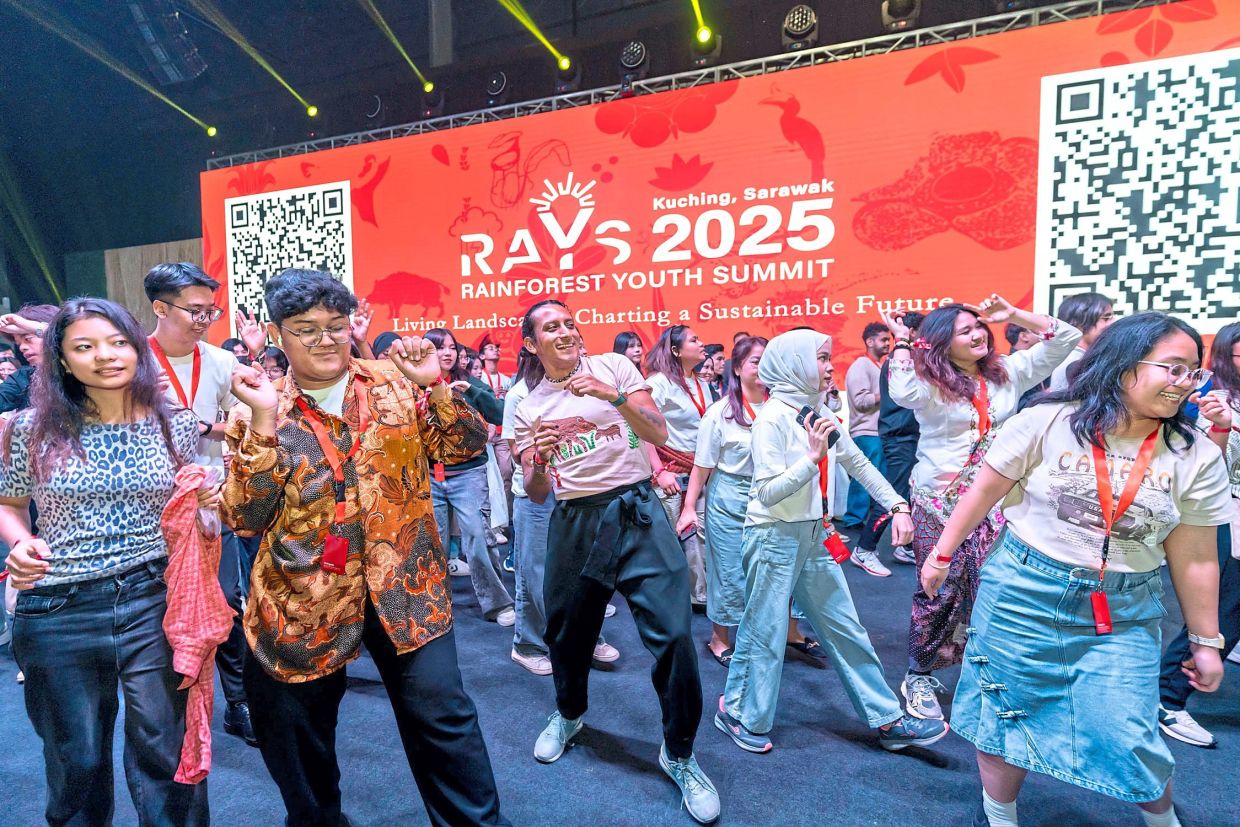
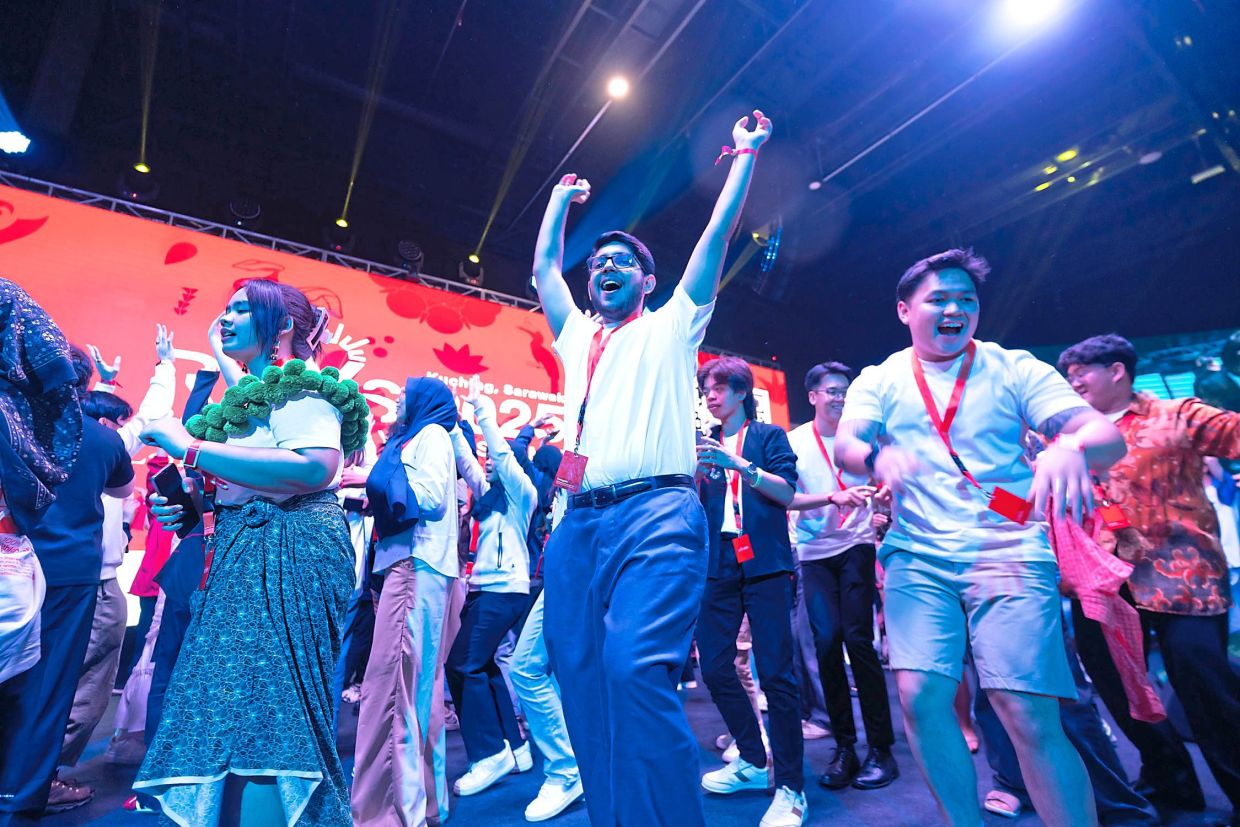
IN a blink, the small swaying group at the front of the hall grew into a swarm of young “revellers”.
It was a hot June afternoon in Kuching, and after a one-and-a-half-day deep dive into workshops and powerful speaker sessions at the Rainforest Youth Summit (RAYS) 2025, it was not surprising that the youth leaders wanted to re-energise themselves with a moment of spontaneous dancing.
As the tempo turned from a Western pop tune and regional hit bop Poco Poco to Malaysian favourites the Malay Joget and Sarawak Ngajat, the "heart and hustle" of the delegates showed as they rocked together while supporting and teaching each other the steps.
It was not only the group moving as one that was beautiful, but also the symbolism the action signified.
If this is how young people from diverse backgrounds can create their own opportunity to come together to advance climate action, then there could just be a bright green future for the Earth.
The right platform
As that moment at RAYS 2025 underlined, what youth need is the right space and support, as well as agency to fight for what they believe in, especially when it comes to their climate future.
These past few years have seen more and more young people and youth organisations engaging in climate talks.
Data from the United Nations Framework Convention on Climate Change shows that between the 2015 UN climate conference COP21 in Paris and last year’s COP29 in Baku, Azerbaijan, youth participation in the UN climate process increased more than 50%.
But attendance alone is not enough – to turn ideas into meaningful impact, young climate activists need to be equipped with skills, knowledge, and the right tools.
Recognising this, climate education was embedded in the agenda of the recently concluded COP30 in Belém, Brazil.

Asean has also taken heed of youth participation and leadership in climate action with its Asean Youth for Climate Action Dialogue, a series of youth-led discussions and summits; the most recent was the Asean Children & Youth Climate Summit (ACYCS) 2025 in Langkawi in September.
Organised by 2025 Asean Chair Malaysia with Unicef Malaysia, ACYCS 2025 saw 100 delegates aged between 15 and 25 years old from the 10 Asean member states coming up with policy recommendations for regional leaders calling for greater youth participation in policymaking, climate justice, education, energy transition, and other climate-related issues.
The Asean Children & Youth Climate Declaration, or Langkawi Declaration, was presented at the 18th Asean Ministerial Meeting on the Environment (AMME) – the first time the voices of children and youth were formally heard as part of AMME proceedings – marking a historic step for youth participation in Asean policymaking.
Biologist and climate policy advocate Joshua Anak Belayan from Brunei, who participated in the first Asean Youth on Climate Action meeting in 2021, recalls how he and his fellow delegates pushed for the Asean Youth for Climate Action Dialogue initiative.
“It was during Brunei’s chairmanship of Asean, and we also pushed for the Bandar Seri Begawan Declaration on Youth for Climate Action, which included the formation of the Asean Centre for Climate Change [ACCC] that is now in the midst of being set up in the Brunei capital,” says Joshua when met at RAYS 2025, where he was a speaker.
“This initiative [for the ACCC] would not be possible without not only our ministers but also the civil servants who listened to young people and gave us the platform to share our idea.
“It definitely would not be possible if not for the leaders of Asean, who gave us the space to share it and are now setting up the centre, so I appreciate that.”
As Joshua puts it, what young people need is more meaningful engagement with the decision- makers, especially when it comes to climate action.
“First, from the youth side, you have to build your track record to show that you are capable – do the work and build your knowledge and skills.
“Then it is important that the decision-makers give youth the chance to not only voice their ideas but also see them influence policy.
“Young people bring a fresh perspective and have specific ideas about what can be implemented,” he says.
Meaningful engagement
Ultimately, they need to be included in the process when their idea is made a policy and be a part of its implementation, Joshua adds.
“For example, with the Asean Climate Change Centre, the people who are working on it include the people who were part of the Asean youth dialogue in 2021.
“So you see, the people who moved this motion have been part of it from the first phase to the next phases.
“To me, that is what meaningful youth engagement means. Having a person who voiced the issue being part of the solution. Having the young people who put out the idea be a part of its implementation.
“So not just, oh, we want to put things on paper and publish it as a dialogue declaration. Words are just words. Actions speak louder.”

Notably, the regional climate change centre would not have been possible without the collaboration of the young people in Brunei and the rest of Asean, he adds.
“Usually for Brunei, we often don’t take the initiative, and I’m glad that for this specific work, Brunei is taking that initiative. But the ACCC is also the effort of the Asean youth working together across our differences.
“When people say Asean is so diverse, how can they work together, I say yes, but diversity is the beauty of Asean,” Joshua notes. “It is also our strength.”
Concurring, Malaysian Max Han, co-founder of Youths United for Earth, says it is vital that those who want to engage with young people, especially government leaders, to remember that young people are not one-dimensional.
“When you talk about young leaders, you just think about someone being young. But we forget that young people are also students, lawyers, doctors, researchers – people with very strong and meaningful lived experiences. And when you put us in a box, it is reductive.”
So when we engage with young people, we need to see them as more than just being young, Han says.
“We need to see them as knowledge holders as well, across different sections of society. You also need to value the lived experience and wisdom of young people.
“It’s also really important to get young people on board as stakeholders. And this is really important because policy is always, always, always better when you have the people who are most affected at the table, drafting it together and advising you along the steps of the journey.”
Another youth speaker at RAYS 2025, Theron Then, agrees.
“Yes, we need to build our skills, knowledge and credibility. But for us to make a difference, we really just have to take the lead.”

RAYS-ing youth voices
And this is what Sarawak aspires to do: provide the platform and toolkit for youth to lead in climate action in the region.
As one of the gateways to the Borneo basin – one of the world’s largest rainforest basins – and home to more than 30 indigenous groups, Sarawak is also positioning itself as a regional catalyst for indigenous environmental leadership.
Malaysia’s chairmanship of Asean has also seen the state boosting its shared aspiration for sustainability and resilience for the region’s youth, who make up around a third of the bloc’s total population, or more than 200 million people. RAYS, launched in 2024, is one of the key programmes to provide youth with opportunities for inclusive climate action and youth leadership. Hence, as Malaysia winds down its Asean chairmanship, the Sarawak government is gearing up its preparations for RAYS 2026, slated for June 24-26 next year in Kuching.
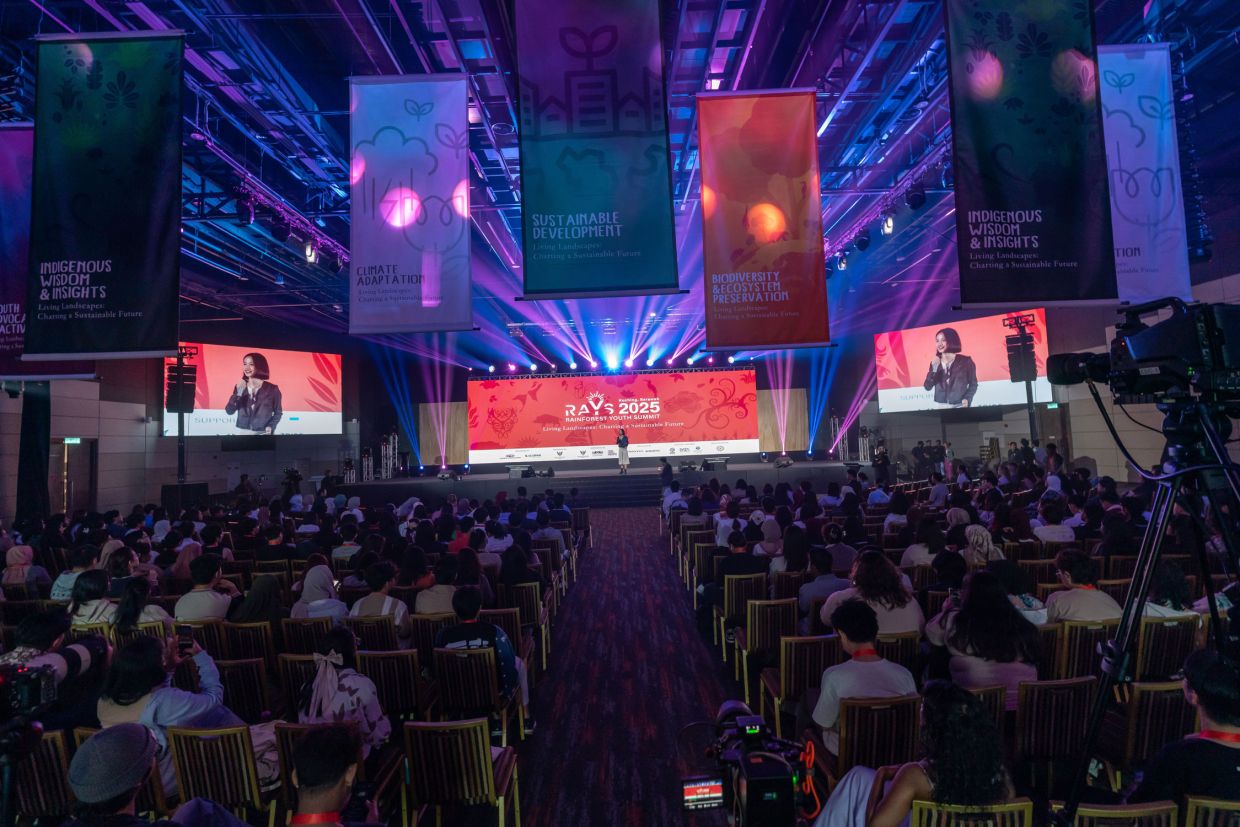
RAYS 2025 saw the participation of around 700 young leaders, changemakers, and advocates from Malaysia and the Asean region, along with 20 speakers from 13 countries across the world; the theme of the conference was “Living landscapes, charting a sustainable future”.
It was organised by the Sarawak Tourism Board in line with its sustainable tourism mission, with the support of the Pacific Asia Travel Association, UN Tourism, and various youth-led organisations, including the Asean Youth Advocates Network.
The third edition of RAYS next year promises more youth-led workshops, plenary discussions, cultural exchanges, and policy- oriented action planning to reinforce Sarawak’s role as a regional centre for biodiversity, indigenous knowledge, and environmental resilience.
“RAYS reflects Sarawak’s commitment to sustainable development and our confidence in the youth as catalysts for change.
“By bringing together passionate youth from across Asean, we are nurturing a new generation of climate leaders rooted in both innovation and indigenous knowledge,” Sarawak Tourism, Creative Industry and Performing Arts Minister Datuk Seri Abdul Karim Rahman Hamzah had said at the opening of the three-day summit at Hikmah Exchange in Kuching in June.
“Build networks. Raise your voice. Protect what must be protected. Reimagine what must be changed. And in everything, walk together – as we say in Sarawak, Segulai Sejalai,” he had urged the young participants, referring to an Iban phrase which means together in unity.
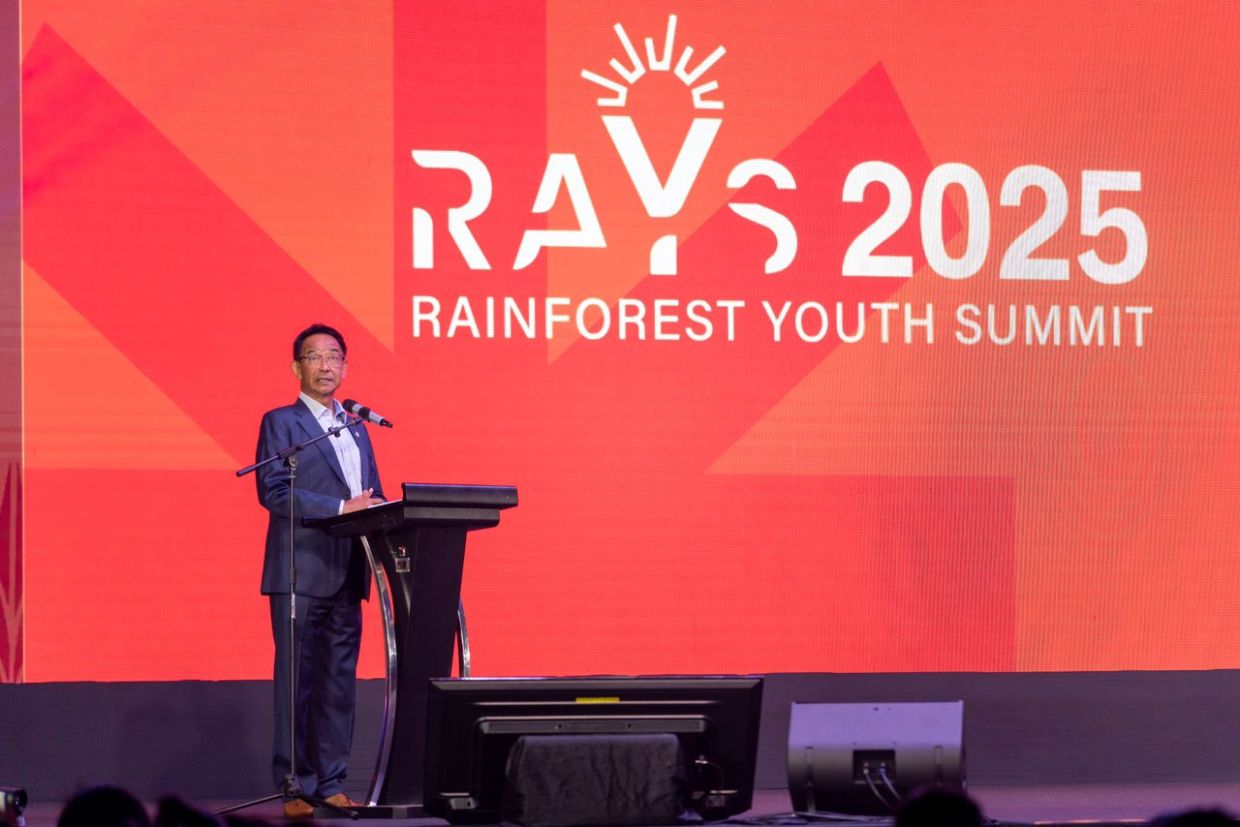
According to Abdul Karim, engaging the youth has long been the modus operandi for the Sarawak government.
“That is how we move forward. Actually, not just in RAYS but also in other areas, we go down to the ground to engage the young. We want to see what are the aspirations of the youth, whether they are in the rural areas or urban areas.
“What do they expect the government to do? What do they want? How are the villages, how are the cities going to be shaped? What are the policies?
“And in each one of these programmes in which we are engaging with them, we collect all the data. And that is how we device policies, how we plan how to move forward.”
The ideas, proposals and recommendations from RAYS 2025 have been collated as input for the state’s decision-making process.
With RAYS, Sarawak hopes to inculcate the responsibility of the planet’s sustainability and resilience not only in the future leaders of Malaysia, but also of Asean.
RAYS 2026 will be held in Kuching from June 24 to 26 next year.
Cause and camaraderie at RAYS 2025

— Photos by: RAYS 2025/STB and HARIATI AZIZAN/The Star
Young voices: RAYS, launched in 2024, is one of Sarawak’s key programmes to provide young people with opportunities for inclusive climate action and youth leadership. — RAYS 2025/STB
Rhythm of change in harmony at RAYS 2025. — RAYS 2025/STB
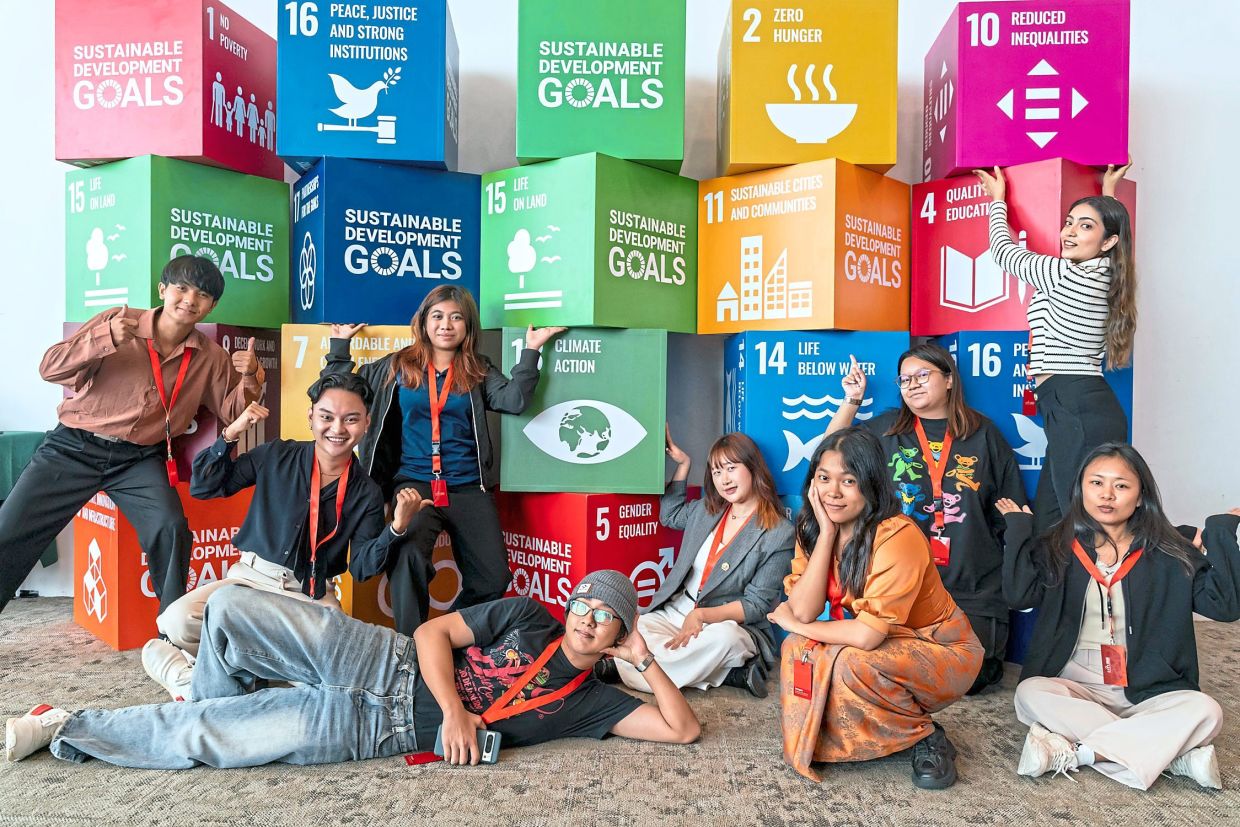
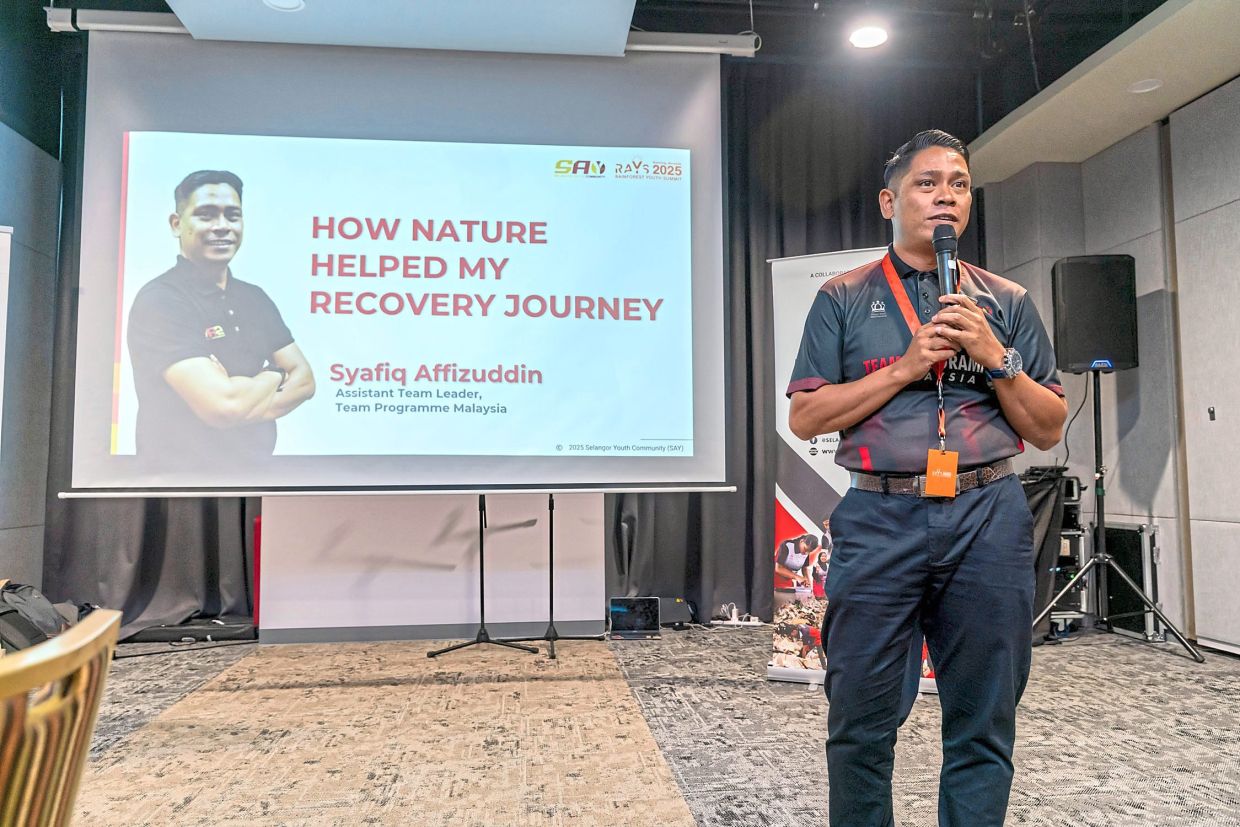
RAYS 2025 saw a lot of discussions and cultural exchanges among the youth leaders.
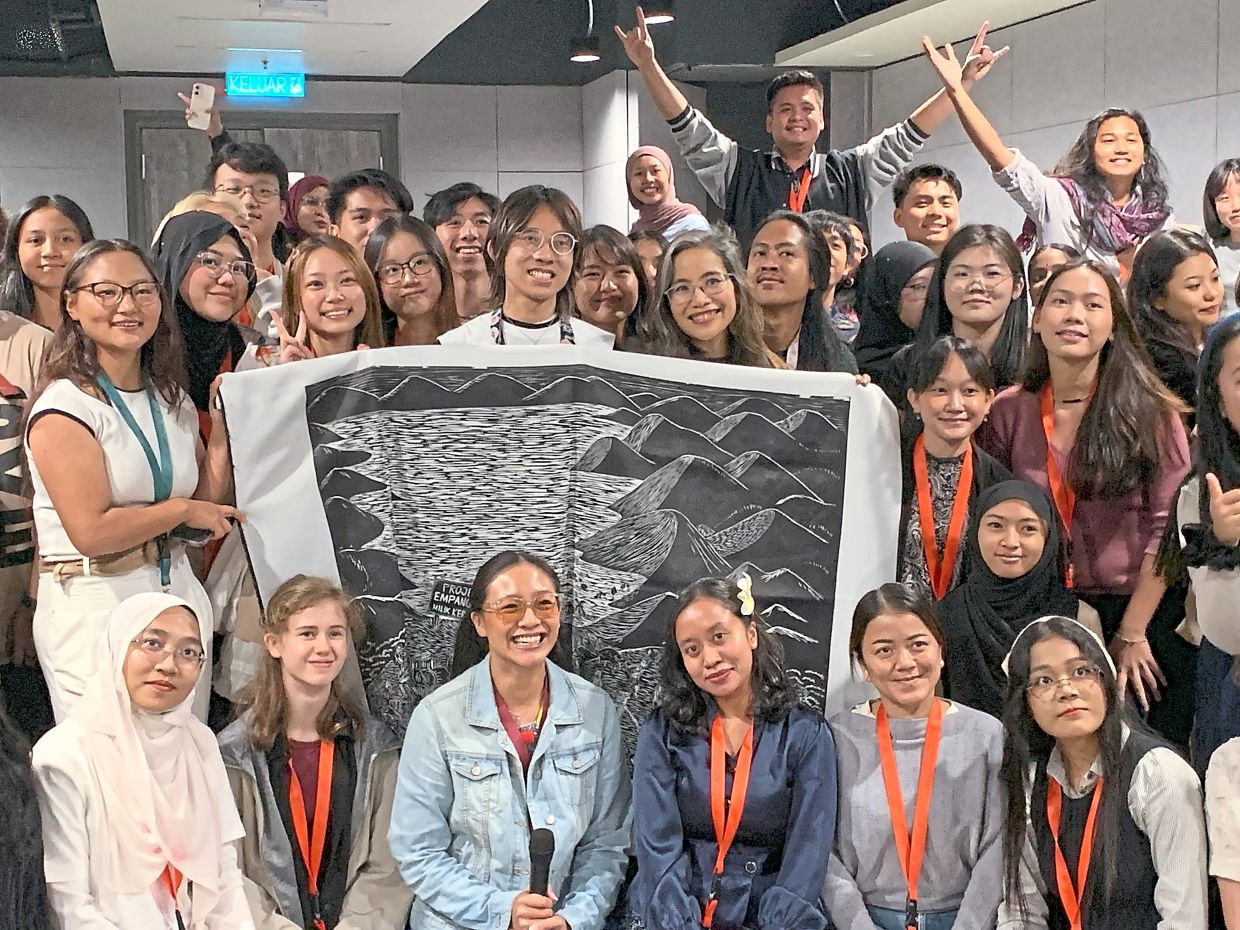
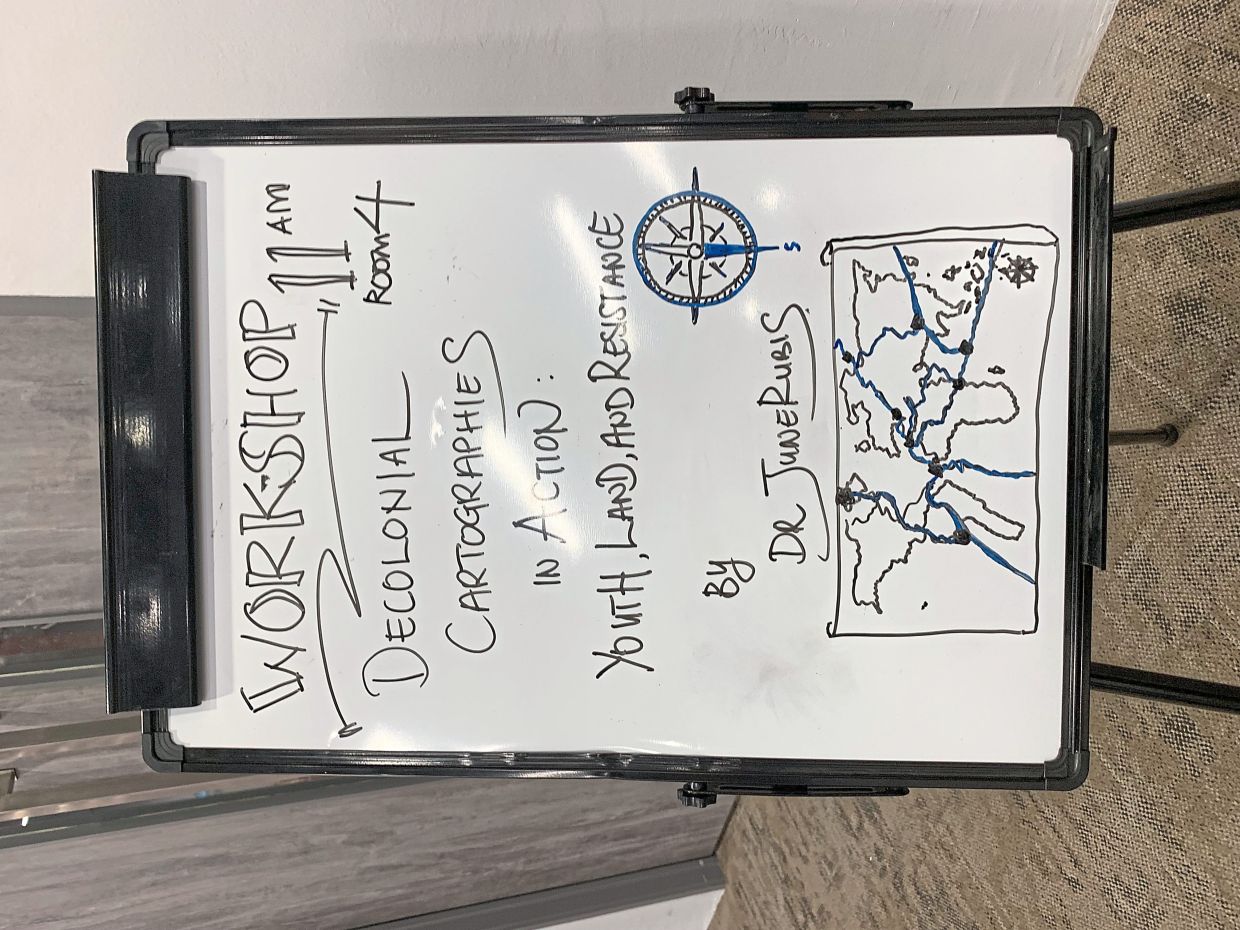
Participants of the Decolonial Cartographies in Action workshop by Bidayuh scholar and indigenous strategist Dr June Rubis (second row, sixth from left) recording their moment together.
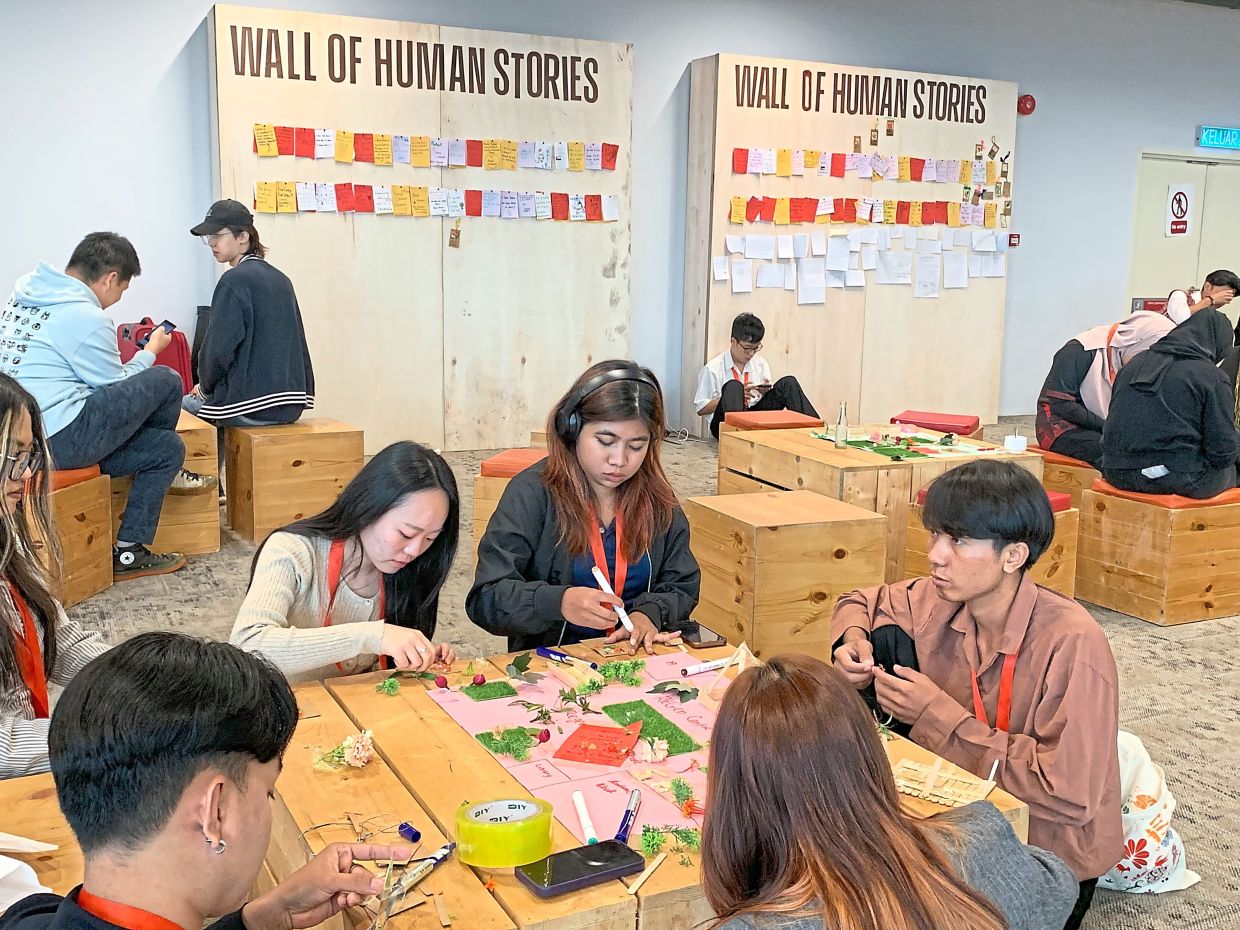
Participants putting together a DIY zine at a workshop by Kuching-based visual artist and poet Bethany Luhong Balan. — Photos: HARIATI AZIZAN/The Star
RAYS 2025 saw many youth-led workshops, plenary discussions, cultural exchanges and policy-oriented action planning to empower the youth leaders for climate action.
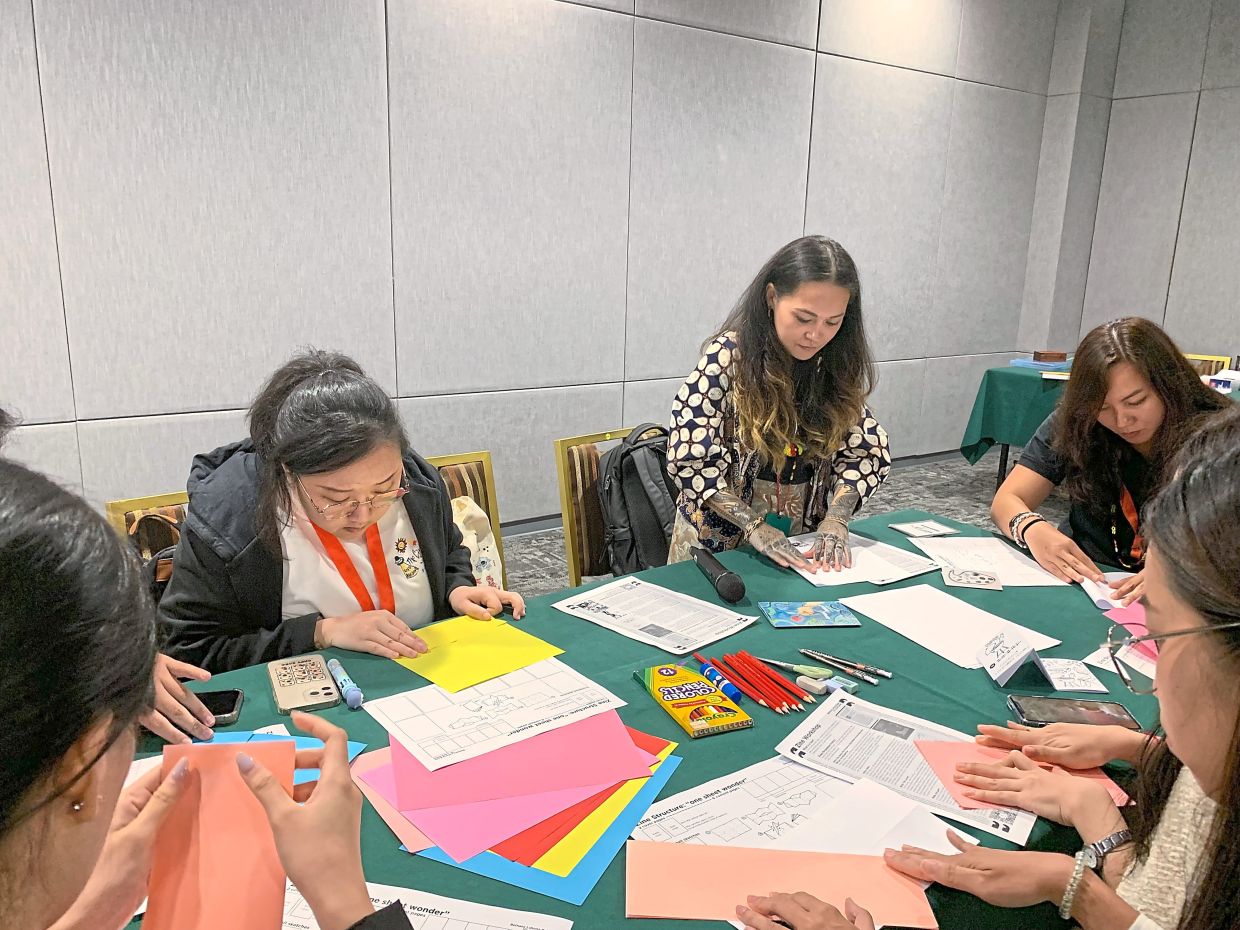
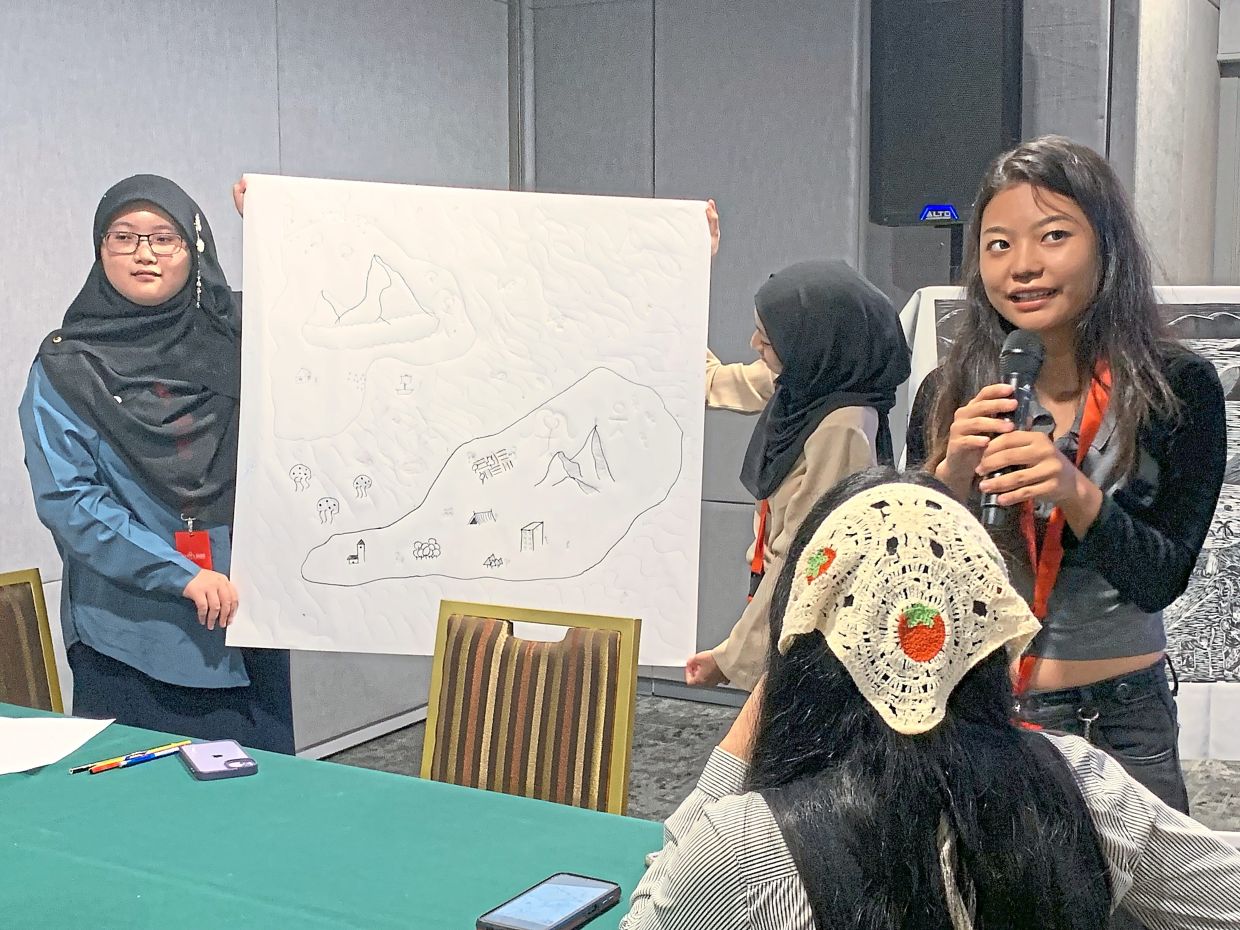
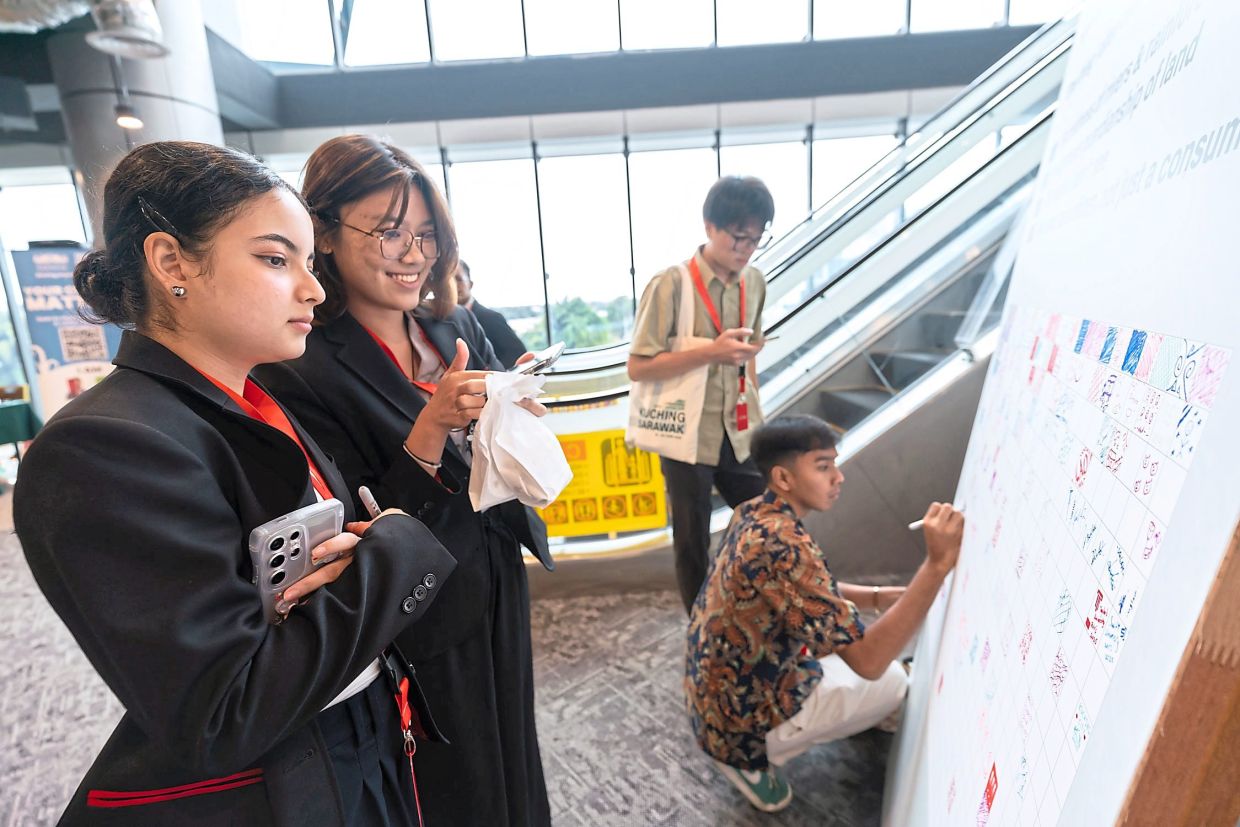
RAYS participants exploring their identity in a mapping exercise.
There were many plenary discussions by youth leaders for the youth delegates at Rays 2025. Then (second from left) and Han next to him, speaking on one.
One of the workshops at the youth summit. — Rays 2025/STB
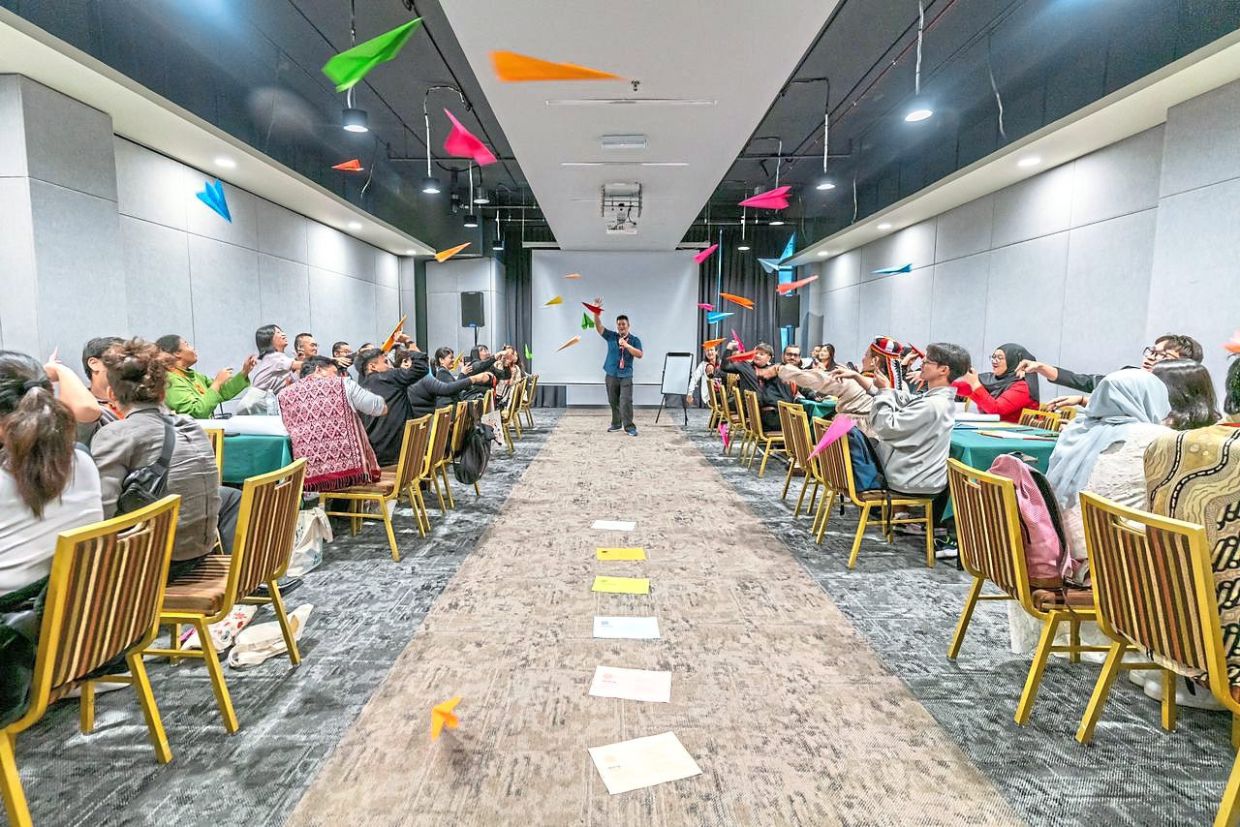
A workshop by the Selangor Youth Community. — Rays 2025/STB
After three long days of deep dives and discussions at Rays 2025, some youth leaders just want to let loose.— Rays 2025/STB
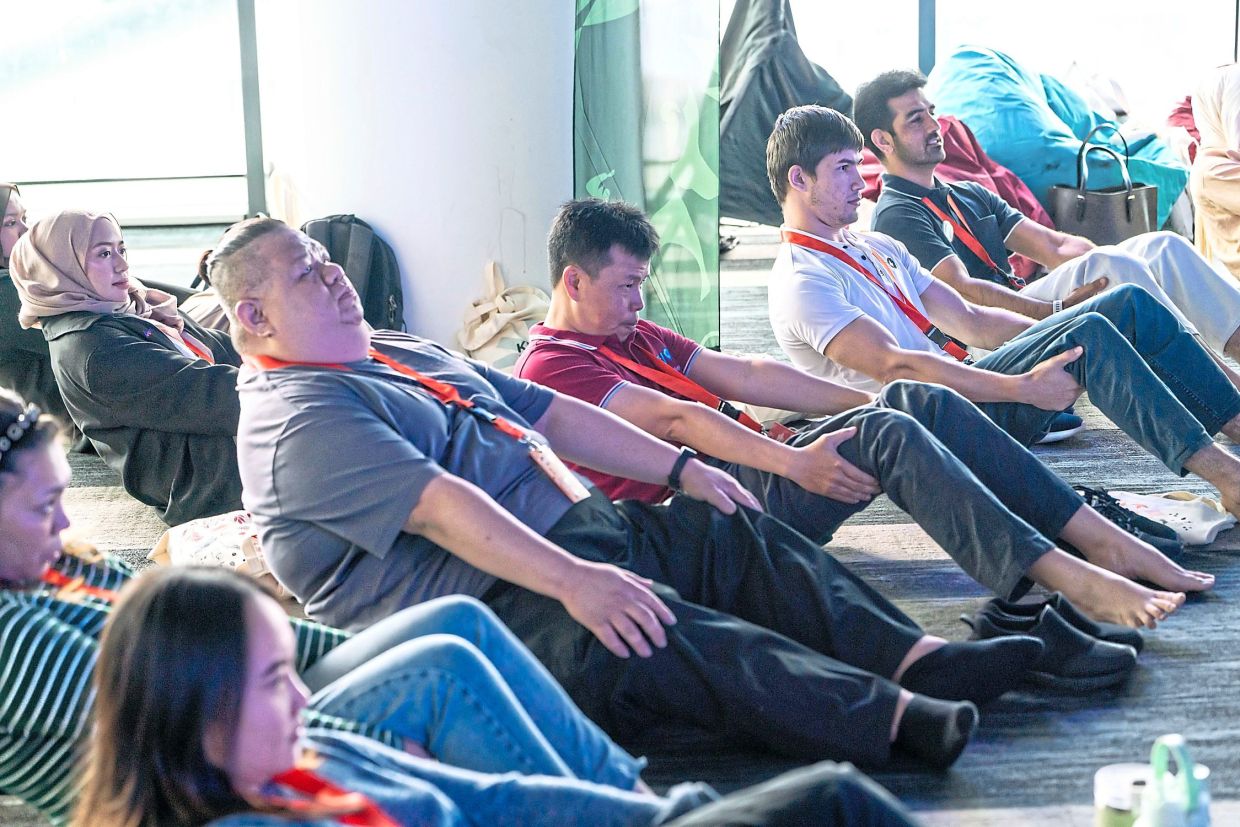
There was also a yoga workshop for the participants to rejuvenate themselves before continuing their climate action. — Rays 2025/STB
With RAYS, Sarawak hopes to inculcate the responsibility of the planet’s sustainability and resilience not only in the future leaders of Malaysia, but also of Asean.
Over 700 youth leaders from the region participated in Rays 2025. — Rays 2025/STB