AT an Amazonian market by the river, the rats are mostly gone and the tourists are plentiful. Still, nobody can agree on whether that’s a good thing.
The Ver-o-Peso market, one of the oldest in Belém, a Brazilian city on the edge of the Amazon rainforest, had certainly been in rough shape. To prepare for the tens of thousands of visitors arriving for the UN Climate Change Conference COP30, which was wrapping up at press time, it did some sprucing up.
The shabby wooden stands, rotting from humidity until a few months ago, were swapped for masonry with a faux-wood finish. The ageing tarpaulin tents shielding the market from the scorching Amazon sun were replaced with new, bright white versions. The market was repaved, rewired and refurbished to put a stop to flooding, pests and electrical mishaps.
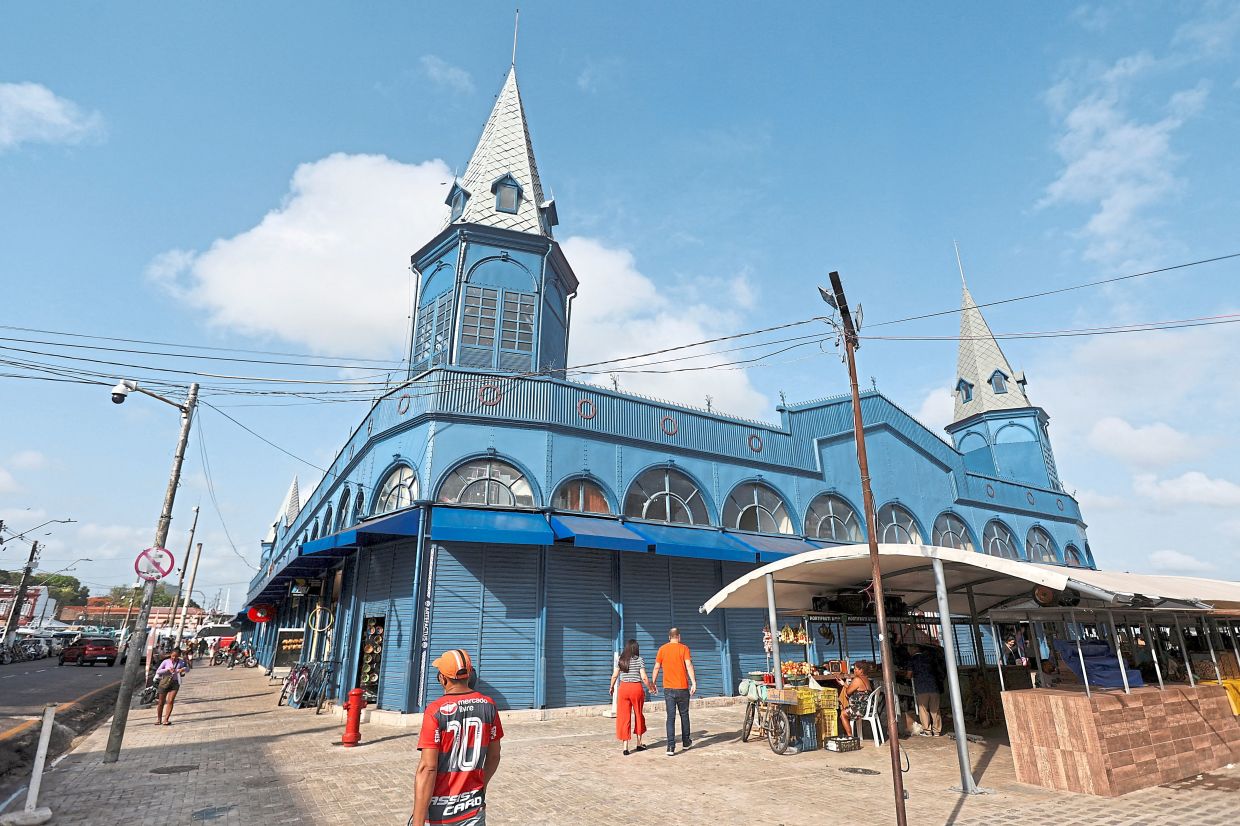
The new glistening market has won over many vendors, grateful for the cleaner workplace and the thicker crowds of visitors.
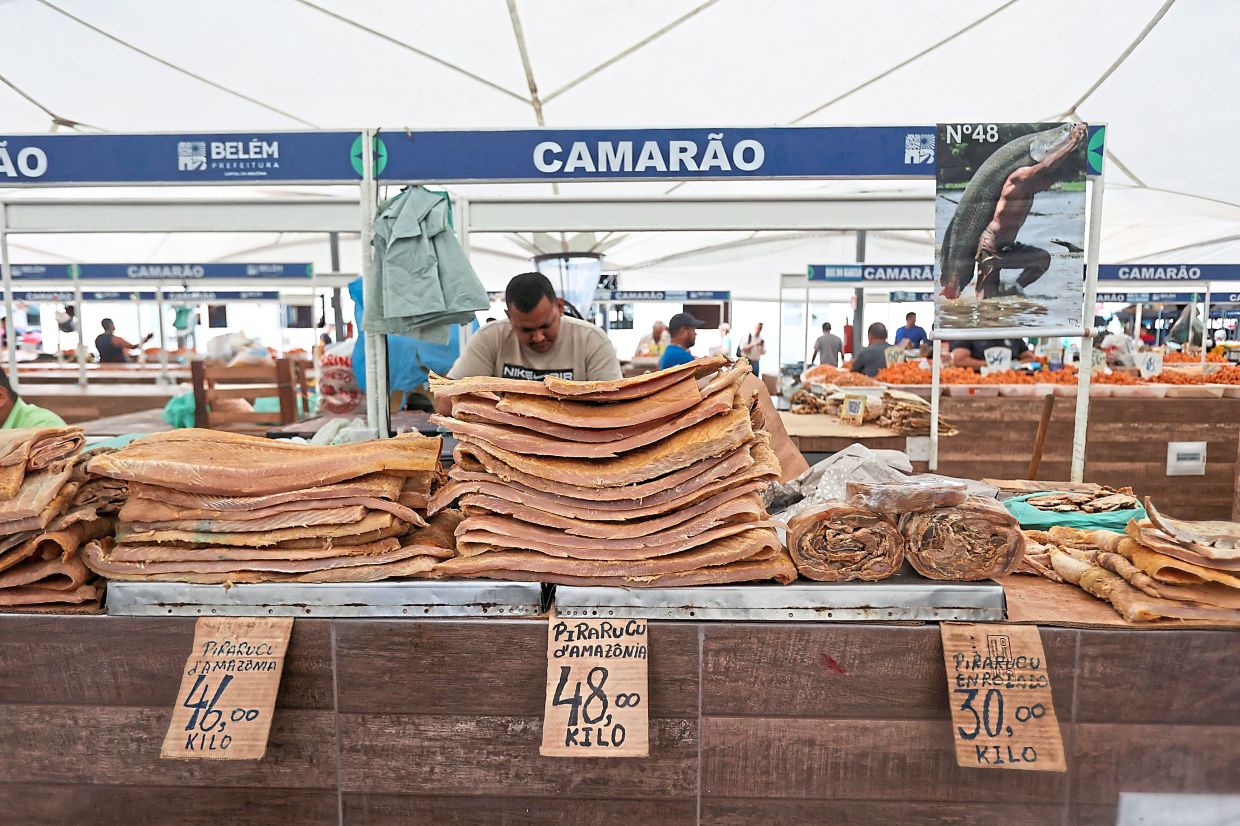
“It looks spectacular, doesn’t it?” said Roberto Pontes, 53, who was selling huge slabs of cured pirarucu, a giant prehistoric Amazonian fish with a pungent smell, from one of the new stalls.
“Word is traveling that the Ver-o-Peso is changing.”
But to others, the transformation has stripped the market of its authenticity and character, turning it into more of a faux tourist attraction than a genuine local gem.
“They tidied things up, and it scared away the regulars,” said Ricardo Rodrigues de Sousa, 59, a vendor of Brazil nuts.
“And the tourists, they don’t buy anything. They come, they look, they take pictures. Then, they leave.”
The riches of the rainforest, hauled in by riverboat, have been sold at the Ver-o-Peso for more than a century. One of the largest open-air markets in Latin America, it is central to Belém’s culture and cuisine, a place where the flavours, colours and smells of the Amazon are on vivid display.
Before the world’s most important climate summit came to town, the Ver-o-Peso (which means “check the weight” in Portuguese and refers to a colonial-era customs system) had moved at a predictable rhythm, nearly around the clock, for decades.
Just after midnight, fishermen start hawking fresh catch from their riverboats. By the crack of dawn, fishmongers wielding machetes began cleaning huge Amazonian river creatures, laying them out on beds of ice. Some 2,400 vendors selling exotic fruits, nuts and herbs start arriving soon after, setting up shop for the day at stands across the market.
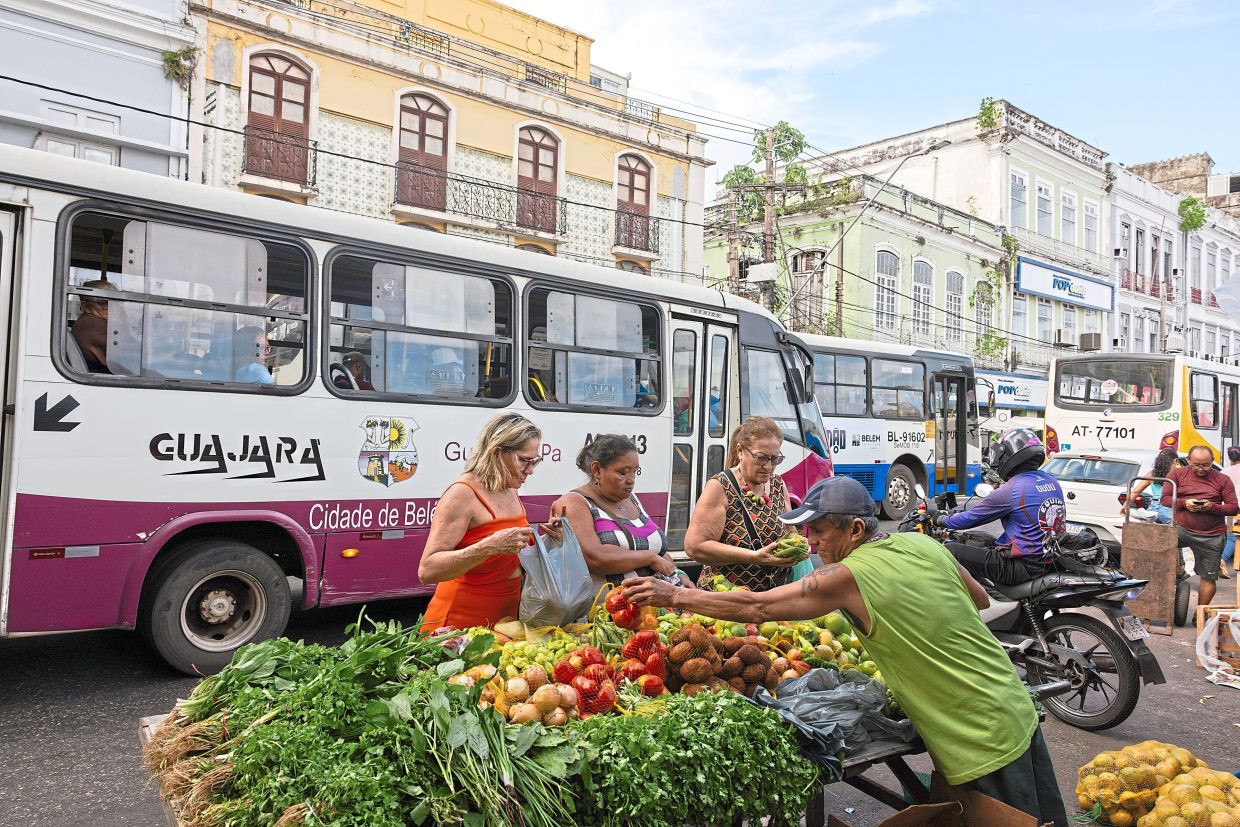
On a recent Saturday morning this month, as the climate talks kicked off, the market bustled in a way that was familiar yet completely new.
The smell of dried shrimp and sweet fruit still wafted through the air. As usual, vendors shouted their prices over sacks of cassava flour and Brazil nuts, though they now peppered their sales pitches with bits of English.
But now, the rats and cockroaches that had scurried around were mostly gone, while guides are a prominent part of the market’s scene. Some led groups of tourists, wearing sun hats and clutching cameras, through the rows of market stalls. Smiling vendors sold visitors feathered headdresses, as a band played an Indigenous folk rhythm.
In the area where açaí, a berry native to the Amazon, was the featured item, the lunchtime rush was thin on regulars. But Alex Alves de Oliveira, who was running his family’s food stand, was hustling to lure a new kind of diner: those unfamiliar with the Amazon’s bold flavours.
“Fishy! Fishy! We have fishy!” Oliveira, 45, shouted in a mix of English and Portuguese, at the crush of visitors shuffling past the stand. “That’s how you say ‘fish,’ right?”
His halting bilingual efforts appeared to succeed. Nathaniel Walters, a filmmaker who was in Brazil with colleagues for the climate talks, climbed onto wooden stools perched around Oliveira’s stall. Soon, a woman slid a serving of Belém’s most popular dish – fried pirarucu fish with a side of silky, fresh açaí pulp – across the new granite countertop.
“Wow, not what I expected,” said Walters, 53, his teeth tinted a deep purple from the Amazonian berry that has, in a sweeter form, become a health sensation from New York to London to Tokyo. “It’s good. Earthy. Not sure I’d order it again.”
Deeper into the market, a group of visitors, also attending the climate summit, lingered by a pirarucu stand, recording the piles of salted fish on their cellphones. Then they scrunched up their noses and quickly headed toward the market’s artisan section.
At stands selling handicrafts, the merchandise appeared to be a bigger draw than the pirarucu. International visitors leaned in to examine colorful fridge magnets, feathered earrings and Indigenous bracelets made of tiny painted seeds.
“I’m looking to do my Christmas shopping here,” said Victoria Emanuelle, 29, part of a youth delegation from Quebec.
“Our suitcases are tiny,” said Jennifer Paquette, 23, her companion. “I’ll probably get a souvenir, something small.”
Shiny but stuffy
Most vendors at the Ver-o-Peso agree that the market was in need of a makeover. But not everyone is pleased with its new, shiny look.
Some complain that the new tents don’t allow air to circulate. Others say the sleeker new stalls lack storage room.
Miraci Alexandre, 60, sat perched on a high stool at a stand heaped with fresh herbs and homemade potions. With her new stall about a half-foot taller than before the renovations, she said, this was the only way she could reach her merchandise.
“They didn’t let us have a say,” said Alexandre, who has been working at the market for five decades.
“They made it the way they thought was best,” she added. “It looks better now. But it’s not practical for those of us working.”
The Ver-o-Peso is operated by the city, which did not respond to a request for comment.
Some customers taking in the new look said they welcomed the face-lift.
Ana Marina Bentes strolled the stalls with friends from out of town, picking up groceries for a homemade lunch of fish and cassava flour.
A native of Belém, Bentes, 50, saw the market’s transformation simply as her city trying to put its best foot forward at a moment when it was in the global spotlight.
“We’re so proud,” she said. “We hope the world can see this is a wonderful place.” — 2025 The New York Times Company
This article originally appeared in The New York Times.
Belem boost
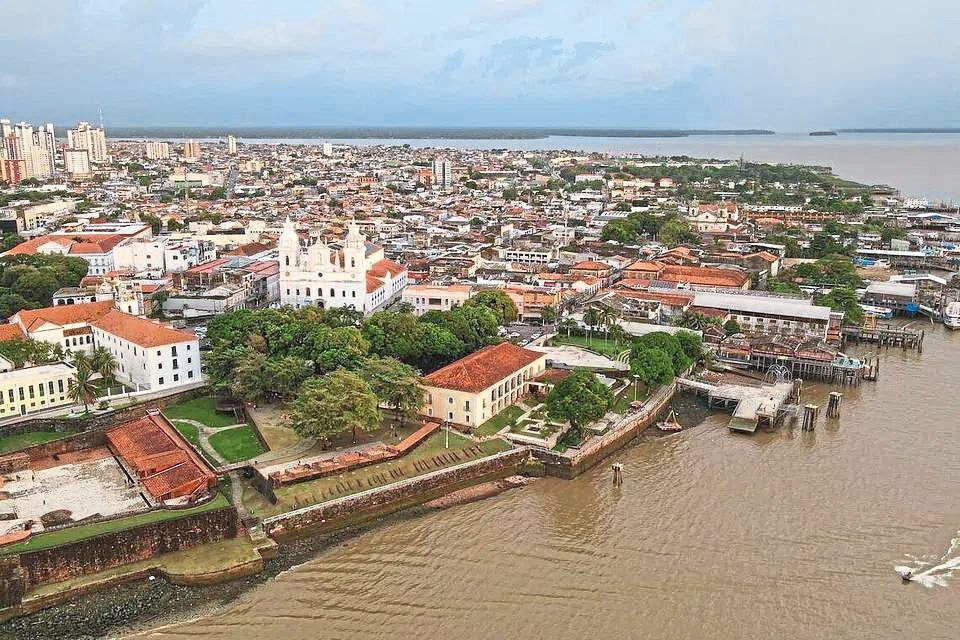


Belem, a Brazilian city on the edge of the Amazon rainforest, hosted COP30 recently. — Reuters
Beth Cheirosinha selling aromatic and medicinal herbs from the Amazon at the market in Belem. — Reuters
Alisson Farias, a flour seller at the Ver-o-Peso market. — Reuters
Salted fish such as pirarucu is displayed for sale for tourists at the Ver-o-Peso market. — Photos: Reuters
A woman selling vegetables at the Ver-o-Peso market. — Reuters