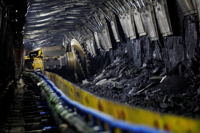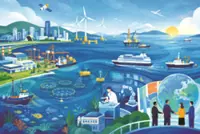
FOR the first time in modern history, renewable energy has overtaken coal as the world’s largest source of electricity. The event marks more than a statistical milestone – it represents a profound shift in how nations generate, consume, and think about power.
Yet behind these figures lies a complex reality of uneven progress, political divergence, and technological imbalance that will determine whether this transition endures or falters.
The most striking feature of the new energy order is its geography.
The Global South – long associated with lagging industrial infrastructure and energy poverty – is now leading the clean power revolution.
China’s scale of solar and wind deployment has been unmatched, with renewable generation expanding faster than its rising electricity demand. India, too, has added impressive solar and wind capacity while managing to reduce its dependence on coal and gas.
Across Africa and South Asia, the falling cost of solar panels – down by an extraordinary 99.9% since the 1970s – has made clean energy accessible to communities that were once left off the grid. This inversion of expectations reveals a quiet truth. Developing countries are no longer passive recipients of clean technology; they are its most dynamic participants.
In regions where electricity is both expensive and unreliable, solar power offers not just environmental gain but economic freedom. The affordability of renewables allows small enterprises, rural households, and local industries to flourish without waiting for centralised grids or foreign aid.
However, the picture in advanced economies is less inspiring. In the United States and parts of Europe, clean energy expansion has slowed. Policy uncertainty, weaker wind performance, and high borrowing costs have forced a renewed reliance on fossil fuels. This regression underlines a paradox: that political choices, not technological limits, are the greatest obstacle to the green transition.
Meanwhile, China’s dominance in clean-tech manufacturing – from solar panels to electric vehicles and batteries – has reshaped global supply chains. Its exports of renewable technologies now exceed those of most industrial goods, signalling an era in which green technology itself becomes a lever of geopolitical influence.
The race to decarbonise is thus entwined with the contest for industrial leadership. For poorer nations, the challenge is to balance the immediate benefits of solar expansion with long-term sustainability. In some regions, unregulated solar-powered irrigation is depleting groundwater, reminding policymakers that every technological leap carries new ecological risks.
The global energy transition has reached a critical juncture. Clean power is finally keeping pace with rising demand, but its permanence depends on foresight and fairness.
Nations that treat renewables as an enduring strategy rather than a passing phase will shape the next century’s economic and environmental order.
The shift from coal to clean energy is not just about replacing fuels. It is about redefining power itself, both in the grid and in the global balance of influence. – The Statesman/Asia News Network