IN multicultural Malaysia, the arts is more than a form of expression – it is a bridge between communities, a mirror of shared heritage and a compass for the young. From traditional crafts to contemporary performances, the country’s artistic legacy carries the stories and aspirations of its people.
To protect this legacy, the arts must not be neglected.
However, Malaysian artists and cultural workers today face mounting barriers in creating, preserving and sharing cultural wealth; limited funding and fragmented governance have stifled the sector’s growth and significance.
These issues impact the people’s ability to access and participate in a vibrant cultural life, says arts and culture advocacy group ReformARTsi.
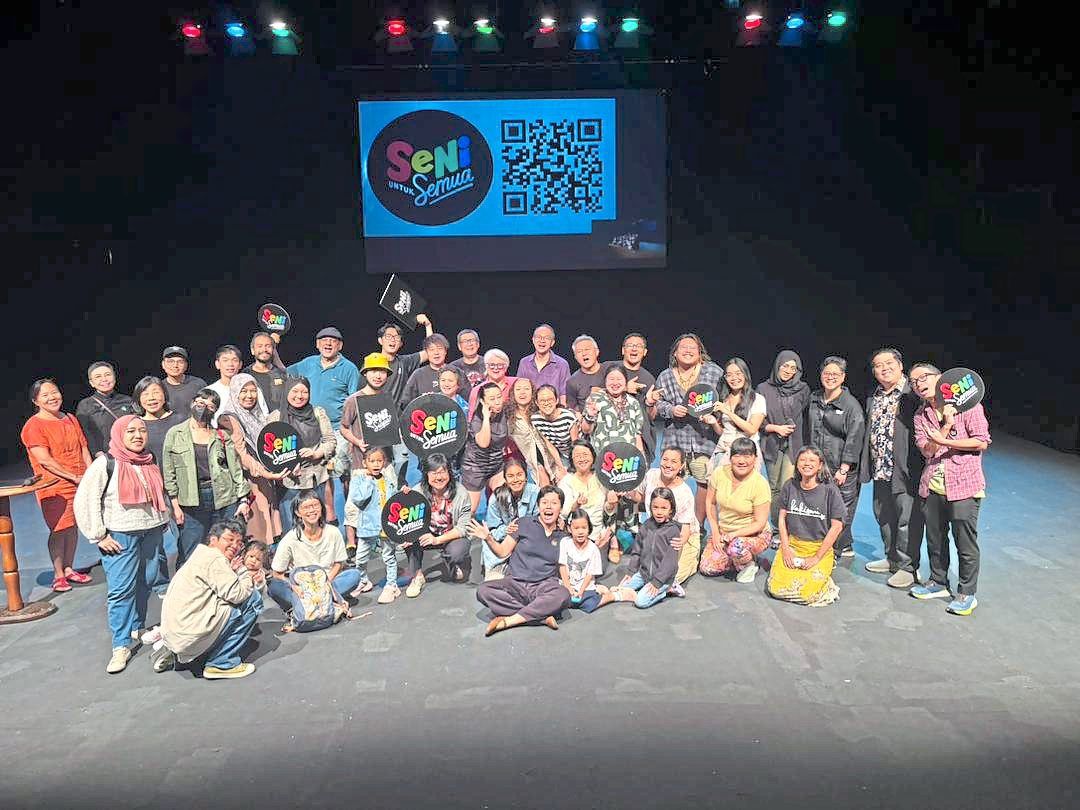
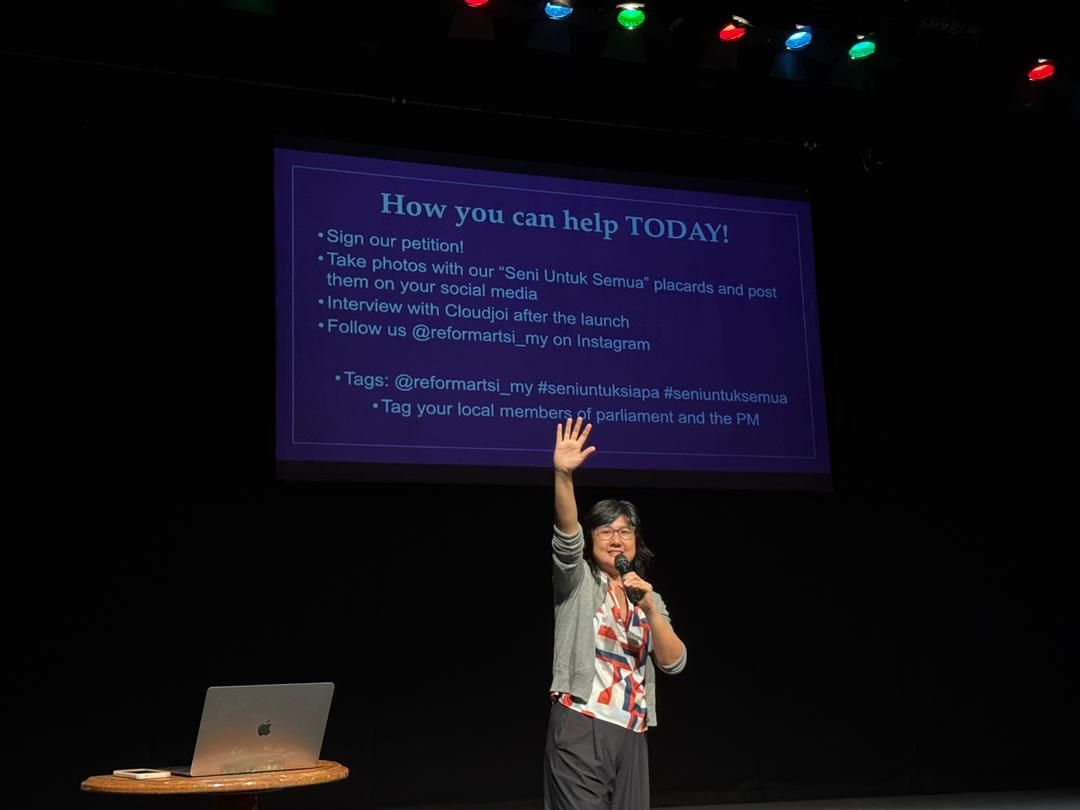
It is with this concern that ReformARTsi recently gathered for a townhall meeting under the spotlights at the Kuala Lumpur Performing Arts Centre (KLPAC) to push forward a petition campaign, Seni untuk Semua.
With its question, ‘Seni untuk Siapa?’ (Who is the arts for?) Seni untuk Semua petition calls for the industry to be valued as one of the country's invaluable cornerstones.
“We believe a vibrant and thriving arts scene will benefit all Malaysians from all walks of life.
"In addition to entertainment, Malaysians should be able to tap into our rich traditional and contemporary cultural diversity to assist in building community and a strong sense of self and identify,” says ReformARTsi secretariat representative June Tan.
“Arts can also be tool for healing in the community, and help us with self-reflection and growth. A thoughtful arts scene will encourage Malaysians to think creatively, think critically and be imaginative about possibilities,” she reiterates.
Set up in 2018, ReformARTsi is a coalition of arts companies, practitioners and academics, who have come together to build consensus on specific reforms and policy changes for the arts, and to jointly advocate these changes to the government.
ReformARTsi currently comprises 180 Malaysian artists, including representatives from 65 arts organisations. The recent townhall was also attended online by artists from other states including Penang and Sarawak.
While acknowledging past and present government initiatives – including the National Culture Policy 1971, the National Creative Industry Policy 2009, and the National Cultural Policy (DAKEN) 2021 – ReformARTsi argues that these efforts fall short of delivering long-term, practitioner-led solutions.
It is calling on the government to form a dedicated taskforce, led by arts and culture practitioners, to develop and enact a 15-year National Arts and Culture Blueprint.
The group says the blueprint must transcend election cycles and reflect the lived realities of those working in the field. It must also address key structural gaps – in arts education, rights protections, funding and governance.
"We need something all-encompassing. For example, the goals of DAKEN are too general – they centre on good moral values, civic focus.
"But in the blueprint we are proposing, we want to tackle fundamental issues such as strengthening education in arts and culture, ensuring consistent funding, securing economic and social rights for artists – many of whom are gig workers – and upholding freedom of expression," says Tan.
DAKEN, launched in 2021 by then prime minister Datuk Seri Ismail Sabri Yaakob, comprises seven thrusts: societal harmony, moral values, cultural development and expansion, cultural excellence, heritage preservation, cultural economy generation and cultural empowerment.
Tan says ReformARTsi has met with several members of parliament on the issue, but results have been mixed.
"The problem is recognised by people at many levels, in government and at the grassroots. We are just asking why nothing is being done about it. There is no political will to fix this.
"If you ask anyone, no one will say that arts and culture in Malaysia is thriving. It is alive, but definitely not thriving."
In its Seni untuk Semua petition, ReformARTsi urges the government to strengthen arts education in public schools, with more teaching hours, a diversified curriculum and clearer classroom-to-career pathways to build future audiences and talent.
It also calls for stronger protections of the social, economic and artistic rights of cultural workers, arguing that respecting and safeguarding those who carry out cultural work is key to sustaining the sector and promoting freedom of expression.
At the same time, the group presses for consistent and adequate investment, recommending that at least 0.1% of the national budget be allocated to arts and culture each year.
And to ensure effective governance, ReformARTsi proposes the creation of a dedicated ministry for "arts, culture and the creative economy", consolidating responsibilities currently spread across multiple agencies.
On the need for a dedicated ministry, Tan notes that arts and culture have long been shuffled around.
"Before it was parked under the tourism ministry, arts and culture was under youth and sports. So where should it really belong?
"The bigger question is: when did it become so unimportant that it doesn’t have its own ministry and focus?"
She stresses that the arts plays a vital role in driving meaningful change, whether on the largest or smallest scale.
“A robust arts scene should be a pillar for our diverse nation, and the opportunity to access, to appreciate, to enjoy, to learn from, and to engage with it, should be made available for every Malaysian.
"I remember telling someone about a show I was producing on the country’s history, and she said: 'Wow, that's interesting. Now we have something to look forward to on weekends. Otherwise, we'd just end up at the mall.'”
To find out more about #seniuntuksemua or help in building a movement to strengthen Malaysia’s arts and culture, go to https://chng.it/GmmzM598NQ