
AT McDonald’s outlets in South India, a 30-cent burger topping has been selling out fast.
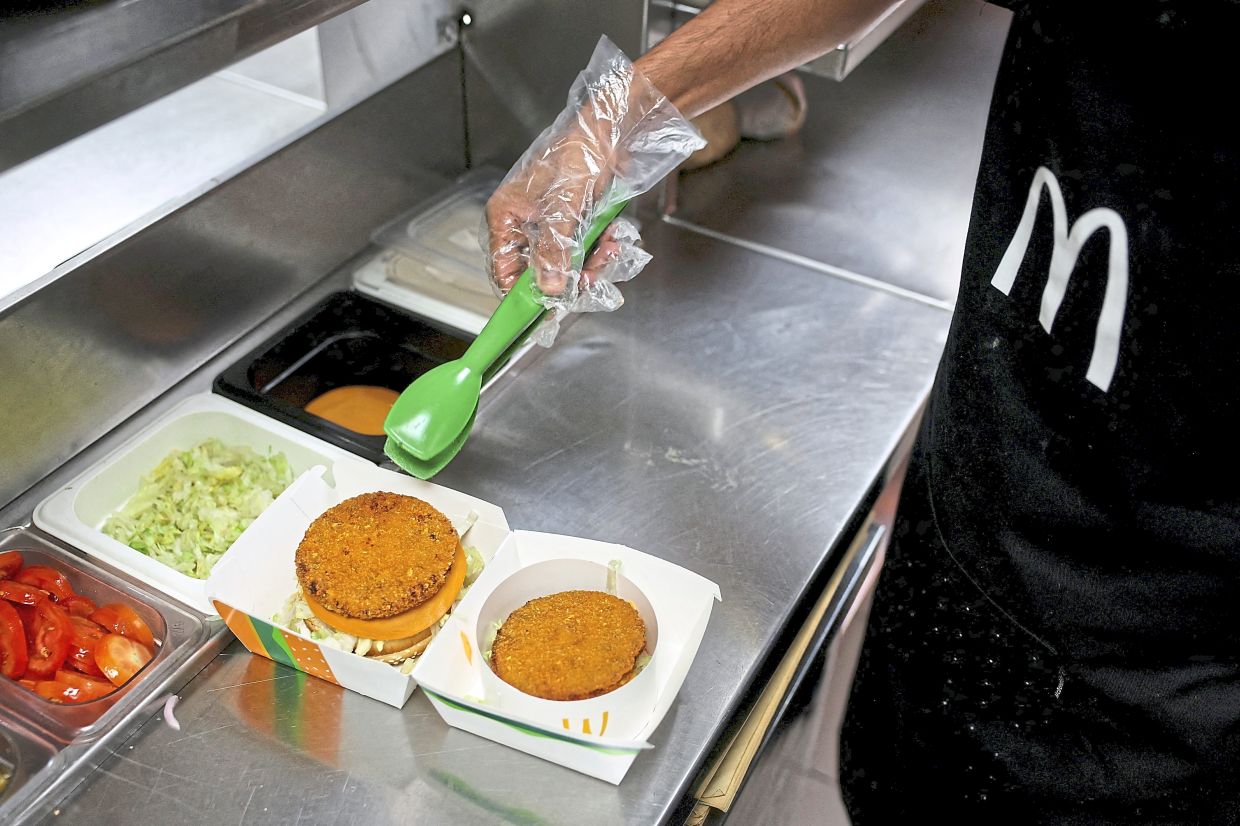
It’s not extra cheese or a fancy salsa dip, but a vegetarian protein slice developed with Indian government food scientists – the brand’s first such offering globally.
McDonald’s has joined India’s biggest dairy, Amul, a slew of start-ups and a company backed by Bollywood superstar Ranveer Singh to unleash a marketing blitz with celebrity chefs and cricketers promoting protein as a daily nutrition need for young and old, not just a gym fad.
Ordering kiosks at the Golden Arches do not mention calories but lure consumers by flashing the high protein in burgers, tapping into a sudden craze in a nation with the world’s highest number of vegetarians and low meat consumption.
“The protein addition makes this easier to eat without much guilt,” said 53-year-old Baiju CT, as he added the 5g protein slice to his US$3 Chicken Maharaja – described as India’s answer to McDonald’s signature beef burger Big Mac.
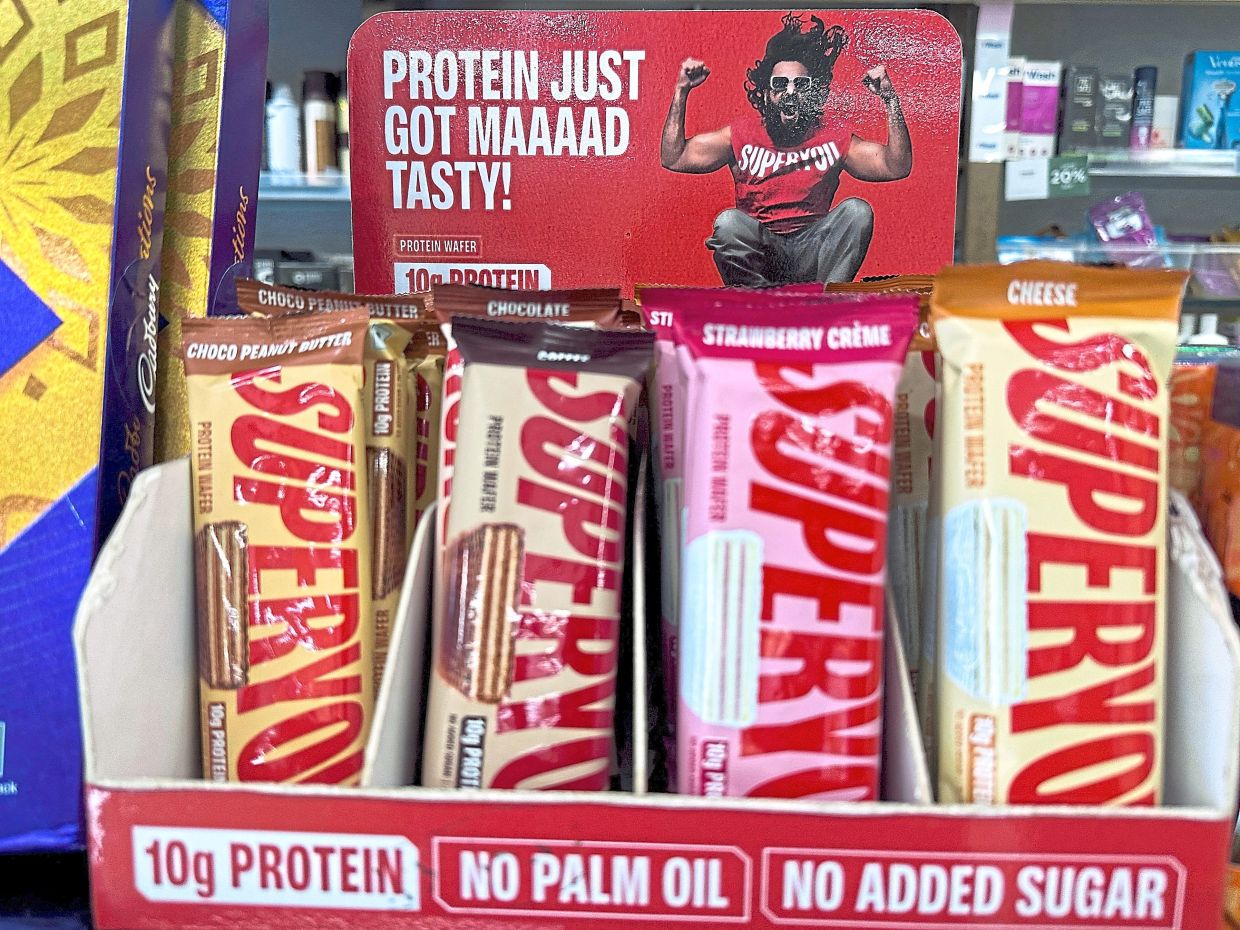
The nutrition push is not only about US$50 whey powder packs.
Protein has been infused into cottage cheese – a vegetarian favourite – as well as ice creams, water, chips and 60-cent tiny bottles of blueberry milkshakes.
Indian flatbreads are next.
US and other markets have seen similar protein booms, but in India, it is being driven by the country’s distinct cereal- heavy dietary profile.
Nearly 30% of India’s 1.4 billion people are vegetarian and the government estimates 73% of the population is protein- deficient.
Religious sensitivities mean beef is banned in most states, and while chicken is popular, it remains costly for many low-income households.
Meat supplies in India stood at a mere 6.6kg per person a year – among the lowest globally, compared with 123kg in the United States and 70.5kg in China, UN data from 2022 showed.
In July, McDonald’s sold 32,000 pieces of its soy- and pea-protein slice within 24 hours of launch.
Most of its over 400 stores ran out of stock quickly and were replenished a month later, according to Westlife Foodworld, its sole franchisee for south and west India.
The slice is “inspired by consumer insights showing growing interest in protein,” said Westlife CEO Akshay Jatia.
India’s high-protein dairy market grew 9.4% over a year to touch US$1.5bil in 2024. This year, it’s likely to grow by another 12%, Euromonitor estimates.
Google Trends data from India shows the terms “protein chips” and “protein bar” recorded their highest interest in five years in June and August, with the highest search interest from New Delhi, an urban hotspot.
Rural India is plagued by low protein consumption. A research survey published in February found 80% of 785 households in semi-arid tropics consumed less protein than needed, even though they had access to protein-rich foods.
Aashitosh Inamdar, a chief scientist at the government’s Central Food Technological Research Institute, said it took them six months to refine McDonald’s protein slice in their labs as earlier prototypes received from the brand were “too chewy” and “powdery” for Indian tastes.
The government lab last year partnered with billionaire Mukesh Ambani’s Reliance to develop protein-enriched cookies.
It is currently also developing local sweets and spices to make their taste appeal to more Indians, though much like McDonald’s, protein products largely remain an urban phenomenon.
“To save our population, we need to put it (protein) into something that is more edible,” said Inamdar.
Movie star Singh and co-founder Nikunj Biyani’s start-up, SuperYou, has sold more than 10 million protein wafers since November, with sales hitting a record monthly high in July.
Singh has 47 million Instagram followers and is promoting the brand himself.
In one reel, he touted that SuperYou baked chips contain 10g of protein while mocking regular “guilty potato” chips.
But they are pricey.
SuperYou chips cost 100 rupees per 100gm, more than double that of Pepsi’s popular Lay’s potato chips.
SuperYou plans to launch biscuits and cereals and target smaller towns, said Biyani, who calls protein a “knight in shining armour.”
Cricketers are also endorsing the protein craze.
In April, Amul sponsored several teams in the world’s richest cricket league, the IPL, and used the partnership to make Instagram reels featuring dancing Indian and international cricketers to promote its protein offerings. Some reels generated millions of views.
The country’s biggest milk and cheese producer is trying to expand the protein category by encashing on the three million litres of byproduct whey it ends up with each day, managing director Jayen Mehta said in an interview.
With its online-sales-focused strategy, Amul is attempting to lure consumers with high-protein variants of its regular offerings, such as buttermilk, ice cream and flatbreads.
“It’s a very huge market opportunity,” Mehta said. — Reuters