BAE Kyung-mi was five years old when the Americans dropped “Little Boy”, the atomic bomb that flattened Hiroshima on Aug 6, 1945.
Like thousands of other ethnic Koreans working in the city at the time, her family kept the horror a secret.
Many feared the stigma from doing menial work for colonial ruler Japan, and false rumours that radiation sickness was contagious.
Bae recalls hearing planes overhead while she was playing at her home in Hiroshima on that day.
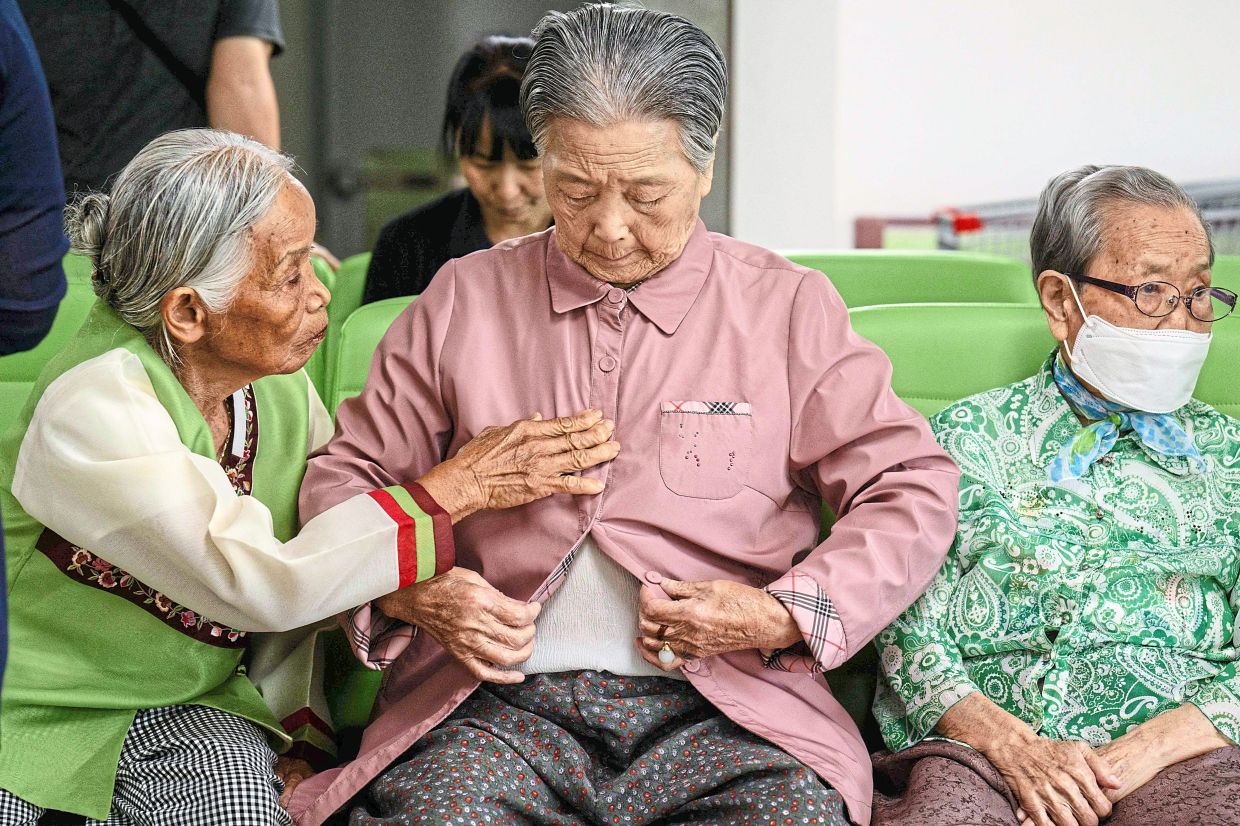
Within minutes, she was buried in rubble.
“I told my mum in Japanese, ‘Mum! There are aeroplanes!’” said Bae, now 85.
She passed out shortly after.
Bae’s home collapsed on top of her, but the debris shielded her from the burns that killed tens of thousands of people – including her aunt and uncle.
After the family moved back to Korea, they did not speak of their experience.
“I never told my husband that I was in Hiroshima and a victim of the bombing,” Bae said.
“Back then, people often said you had married the wrong person if he or she was an atomic bombing survivor.”
Her two sons only learned that she had been in Hiroshima when she registered at a special centre set up in 1996 in Hapcheon, South Korea, for victims of the bombings, she said.
Bae said she feared her children would suffer from radiation-related illnesses that afflicted her, forcing her to have her ovaries and a breast removed because of the high cancer risk.
She knew why she was getting sick, but did not tell her own family.
“We all hushed it up,” she said.
Some 740,000 people were killed or injured in the twin bombings of Hiroshima and Nagasaki.
More than 10% of the victims were Korean, data suggests, the result of huge flows of people to Japan while it colonised the Korean peninsula.
Survivors who stayed in Japan found that they had to endure discrimination both as hibakusha, or atomic bomb survivors, and as Koreans.
Many Koreans also had to choose between pro-Pyongyang and pro-Seoul groups in Japan, after the peninsula was left divided by the 1950-53 Korean War.
Kwon Joon-oh’s mother and father both survived the attack on Hiroshima.
The 76-year-old’s parents, like others of their generation, could only work by taking on “filthy and dangerous jobs” that the Japanese considered beneath them, he said.
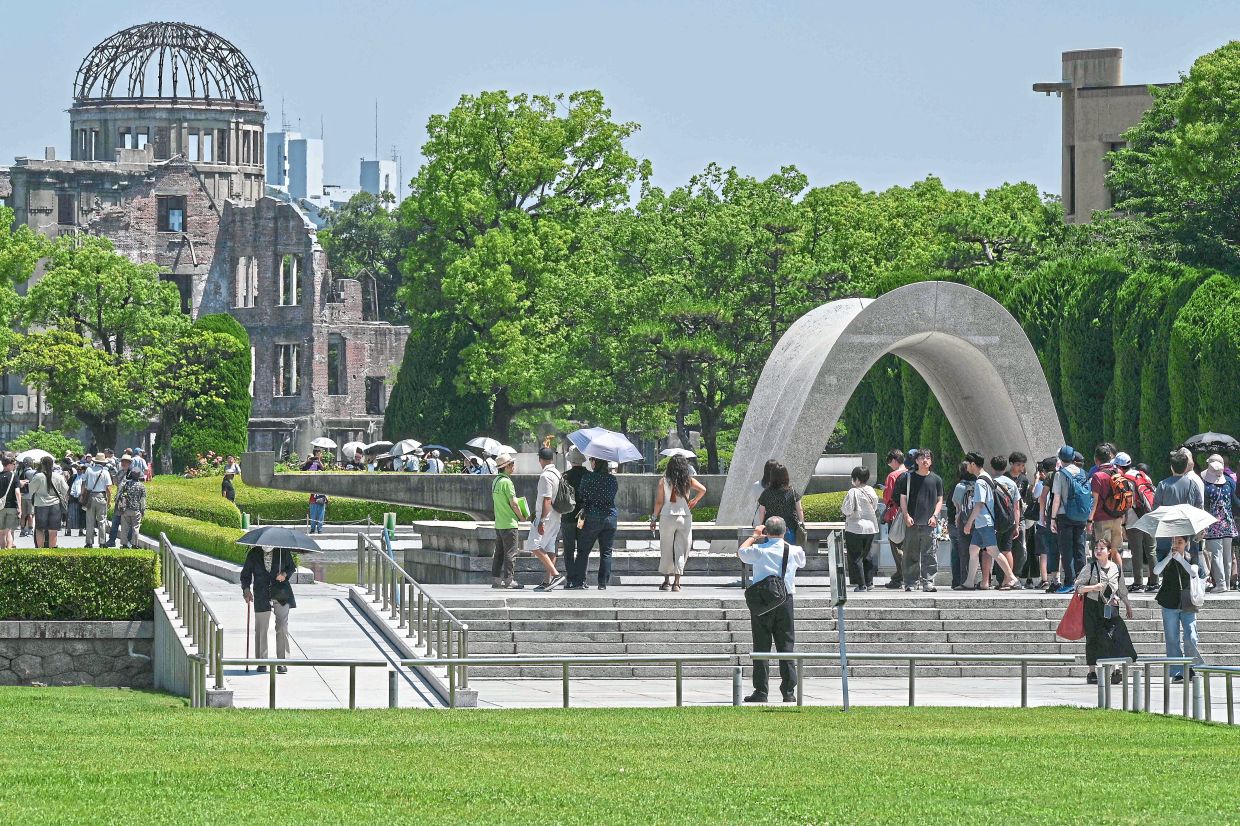
Korean victims were also denied an official memorial for decades, with a cenotaph for them put up in the Hiroshima Peace Park only in the late 1990s.
Kim Hwa-ja was four on Aug 6, 1945 and remembers being put on a makeshift horse-drawn trap as her family tried to flee Hiroshima after the bomb.
Smoke filled the air and the city was burning, she said, recalling how she peeped out from under a blanket covering her, and her mother screaming at her not to look.
Korean groups estimate that up to 50,000 Koreans may have been in the city that day, including tens of thousands working as forced labourers at military sites.
But records are sketchy.
“The city office was devastated so completely that it wasn’t possible to track down clear records,” a Hiroshima official said.
Japan’s colonial policy banned the use of Korean names, further complicating record-keeping.
After the attacks, tens of thousands of Korean survivors moved back to their newly-independent country.
But many have struggled with health issues and stigma ever since.
“In those days, there were unfounded rumours that radiation exposure could be contagious,” said Jeong Soo-won, director of the country’s Hapcheon Atomic Bomb Victim Centre.
Nationwide, there are some 1,600 South Korean survivors believed to still be alive, Jeong said – with 82 of them in residence at the centre.
Seoul enacted a special law in 2016 to help the survivors – including a monthly stipend of around US$72 – but it provides no assistance to their offspring or extended families.
“There are many second- and third-generation descendants affected by the bombings and suffering from congenital illnesses,” said Jeong.
A provision to support them “must be included” in future, he said.
A Japanese hibakusha group won the Nobel Peace Prize last year in recognition of their efforts to show the world the horrors of nuclear war.
But 80 years after the attacks, many survivors in both Japan and Korea say the world has not learned.
US President Donald Trump recently compared his strikes on Iran’s nuclear facilities to the bombing of Hiroshima and Nagasaki.
“Would he understand the tragedy of what the Hiroshima bombing has caused? Would he understand that of Nagasaki?” survivor Kim Gin-ho said.
In Korea, the Hapcheon centre held a commemoration on Aug 6 – with survivors who hoped that the event would attract more attention this year.
From politicians, “there has been only talk, but no interest”, he added. — AFP