LATELY it seems almost impossible to look at a news feed or catch up on current events in the United States and not be greeted by the picture of a man in a mask.
Or rather a neck gaiter, buff or scarf made to cover the mouth and nose, along with a baseball cap or helmet to hide the crown of the head, and shades to obscure the eyes.
Such are the images of US Immigration and Customs Enforcement (ICE) agents – on the streets, in courts, at factories – rounding up individuals the agency claims are immigrants living in the country illegally (as well as, sometimes, those they say are helping them).
Such are the images of ICE agents illustrating stories about new legislation introduced in Congress and in states across the country, including New York, California, Massachusetts and Pennsylvania, to prohibit the agents from hiding their faces while doing their jobs.
And such are the images of protesters speaking out against ICE actions – or for Palestine – and obscuring their identities while doing so.
Sometimes the coverings are black, sometimes they are star-spangled and sometimes they are hunter’s camo, but at all times it’s the mask that stands out.
The mask that is at the centre of the story. The mask that has become the catalyst for a debate about whether such face coverings are a tool of intimidation or protection, of good or evil.
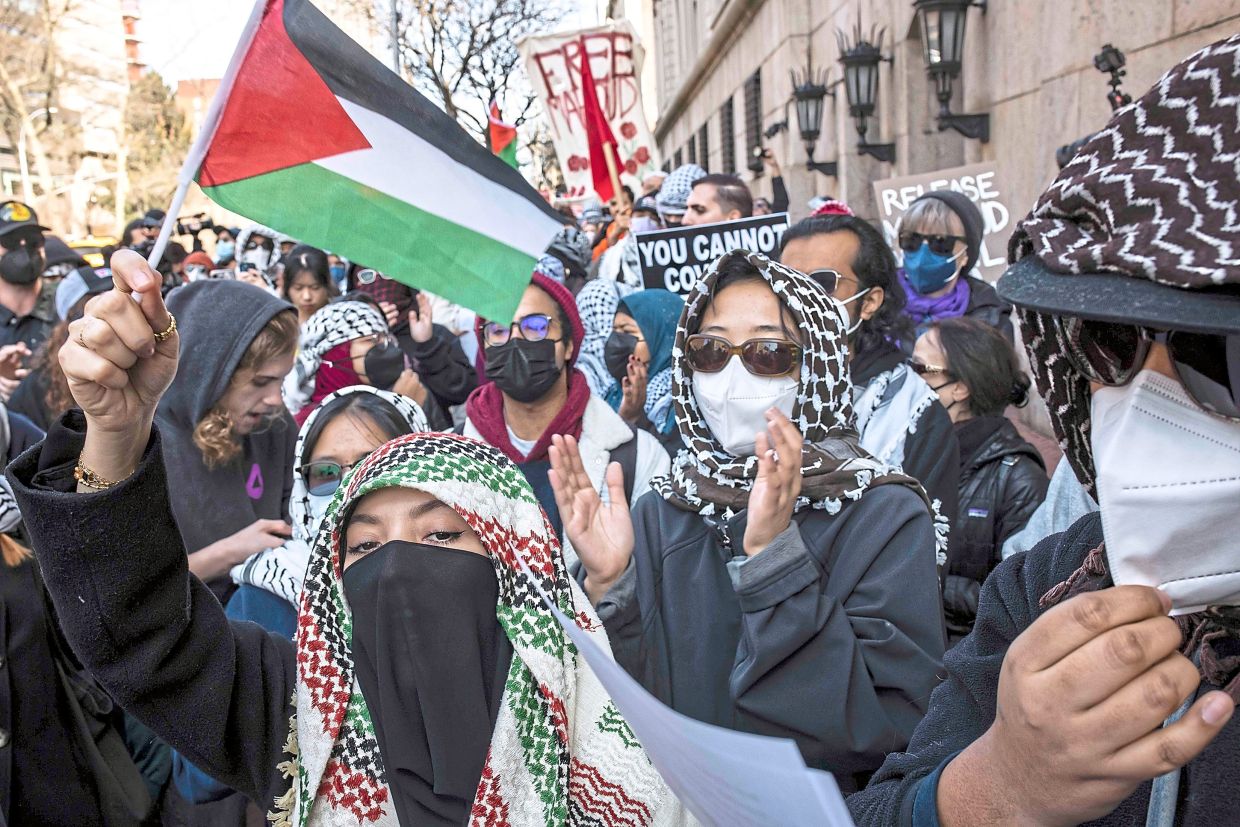
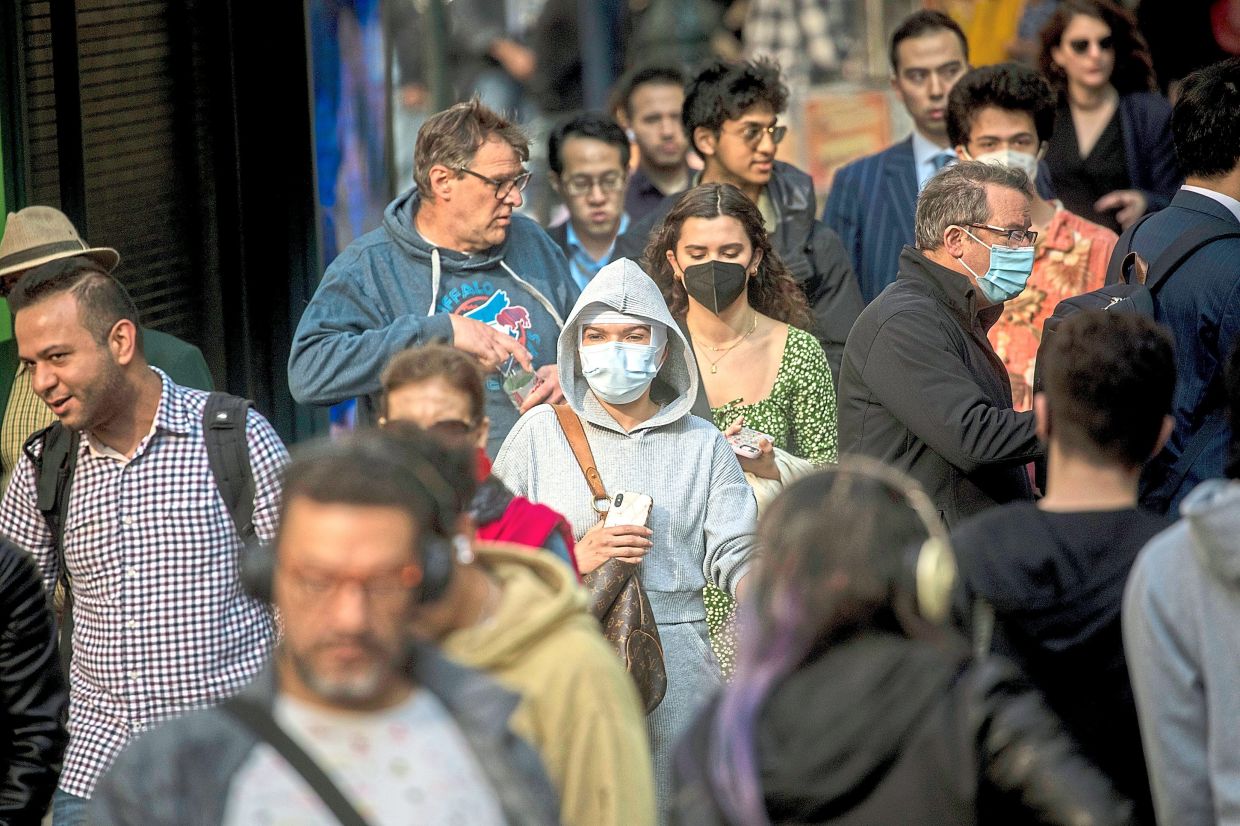
Masks have not played this big a role in the American public discourse since 2020, when the Covid-19 pandemic made them a part of everyone’s life and they became a flash point for the debate over public safety and private agency, community and individuality.
Then, as now, they were a symbol of the times; a bit of material that somehow embodied all the complicated, contradictory emotions associated with that period. In part, that’s because they were not associated solely with that period. Just as they are not today.
“There is so much that gets loaded onto a mask,” said Darren Fisher, a senior lecturer in comic and concept art at the University for the Creative Arts in Britain.
The rare accessory that is both functional and fantastical, a mask is not just a thing that covers the face. It is a multilayered repository of meaning that stretches across centuries and cultures high and low. It is a trigger for a host of associations that are much greater than the specific case at hand.
Masks turn people into “archetypes,” Fisher said. And those archetypes are rooted in history, religion, art, politics and Hollywood.
“I don’t think it’s a coincidence that the resurgence of the mask has coincided with a period of peak superhero,” said Angela Ndalianis, a professor of media and entertainment at Swinburne University of Technology in Melbourne, Australia.
When we see a mask, what we see depends on the stories we tell ourselves.
The power of the mask
People have been donning masks since the theatres of ancient Greece and Rome. There are masks in the Japanese Noh tradition. Masks play a part in a variety of shamanistic rituals.
Masks are part of the legacy of Guy Fawkes and the foiling of the gunpowder plot to blow up King James I. They are also part of the romance of Zorro, the sword-wielding defender of the poor, and the mythology of the Lone Ranger.
Masks are tools of bank robbers and outlaws, and they’re a regular presence in horror films and a defining trope of superhero culture. They are at the heart of Halloween.
Orville Peck, the country and western singer, is known for his masks. So are rappers Ayleo and Mateo Bowles. Recently Glenn Martens put every model in his couture show for Maison Margiela in a mask.
In almost every case, the masks serve a dual purpose: They protect or disguise a “real” identity and transform the person wearing the mask into something other.
Masks are the means by which a character moves beyond the bounds of the physical world and the world of man. Whether that is good or bad is the essence of the debate that surrounds the mask, but either way, Ndalianis said, it represents “power.”
It is what creates Batman and Bane, Spiderman and Darth Vader. By donning a mask, the heroes (or villains) free themselves from having to pretend to be something they are not. Like human. Or moral.
In this way, though a mask is nominally a disguise, it is also a means to reveal the “true self” as opposed to the self you may have constructed for the world, said Nicola Formichetti, a stylist who has often explored the use of masks in his work with Lady Gaga. It can allow a repudiation of an identity that conforms to expectations and society.
That’s liberating and terrifying in equal measure because it takes away not just identity, but also accountability. In becoming something else, you suddenly have license to act in a different way.
This was the function of the mask during Venetian masked balls where debauchery replaced proper behaviour for a night. It was also the basis of The Mask, the 1994 film starring Jim Carrey as a nerdy guy whose id essentially takes over when he discovers an ancient mask.
The protection of the mask
This narrative stew is partly why, for some people, ICE agents in masks are so frightening. It is not just because the masks tap into age-old horror movie motifs, but also because they seem to convey permission to act in ways that would otherwise be constrained.
They represent a place beyond the norms, which feeds into the idea that the Trump administration and its representatives are going beyond the norms of democratic government.
It is also why others may see the masked men as saviours, lawmen willing to do what their predecessors would not, or could not, to right what they believe is wrong. Either way, Ndalianis said, “You can draw a line directly from Marvel to ICE.”
Faces are how we recognise one another, as well as how we read the meaning and emotions behind words. By your face, others do know you. Thus to cover the face is to protect yourself – not just from germs, as during the pandemic or environmental disasters like wildfires and smog, but from other people’s prejudices and government overreach.
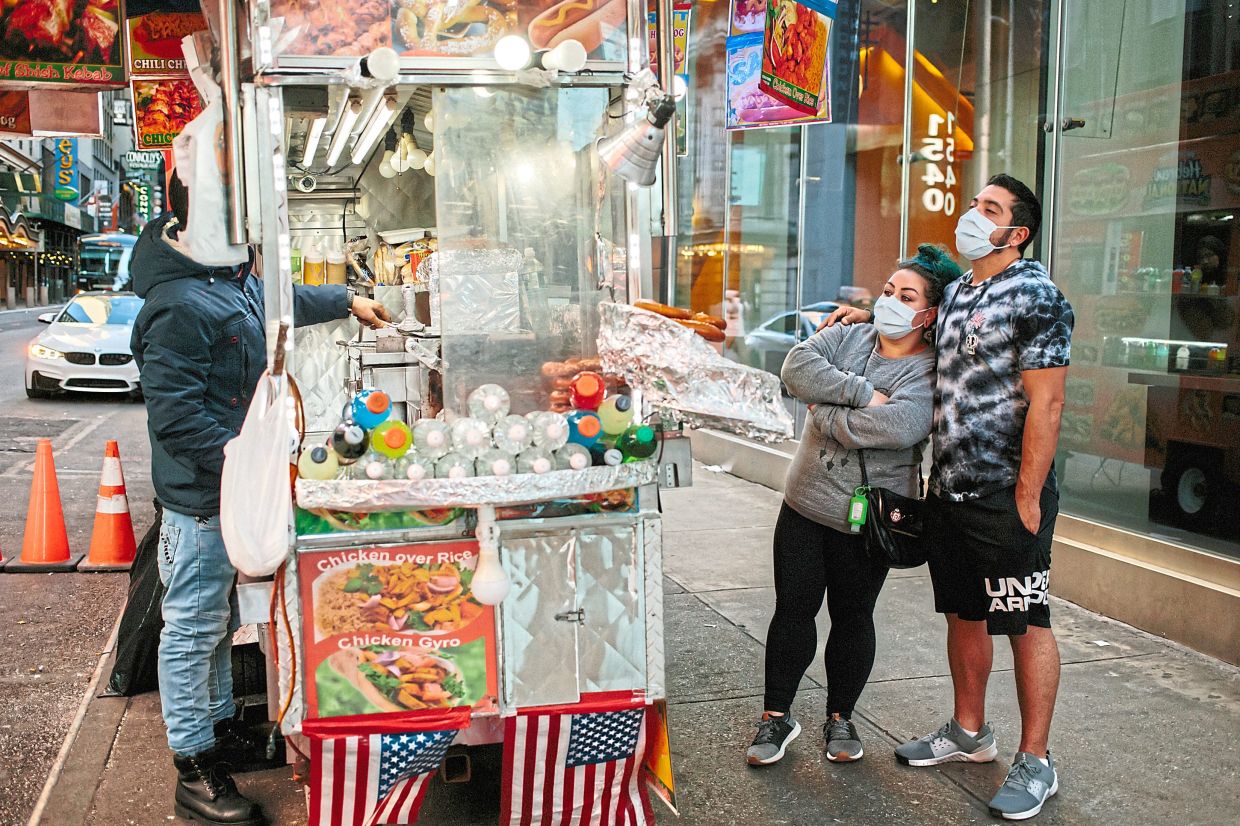
This theory of masks posits them as a beneficial shield from the ills of the world, its judgment and retribution. See, for example, the Phantom of The Phantom of the Opera, who wears a mask to hide his disfigurement, and the superheroes who hide their faces to safeguard their private identities.
It also dramatises the fact that ideas about accountability and privacy are on a collision course that has raised the stakes about the role of the mask in modern life even more.
All of this is only going to become more confusing with the widespread use of plastic surgery, artificial intelligence, filters and other digital tools that have popularised the ability to transform the theoretically unmasked face into – yes – its own kind of mask.
Later this month, a new production of The Phantom of the Opera will open in New York. Entitled Masquerade, it is conceived as a piece of immersive theatre in which all attendees will be asked to don a mask, many of them created by Formichetti, who has been named to the peculiarly contemporary role of the production’s “director of masks.”
You can bring your own or use one of the masks provided for you, but either way, everyone will have the experience of trying one on. — ©2025 The New York Times Company
This article originally appeared in The New York Times.