
ANNA Bhobho, a 31-year-old housewife from rural Zimbabwe, was once a silent observer in her home, excluded from financial and family decision-making in the deeply patriarchal society. Today, she is a driver of change in her village, thanks to an electric tricycle she now owns.
In many parts of rural sub-Saharan Africa, women have long been excluded from mainstream economic activities such as operating public transportation.
However, three-wheelers powered by green energy are reversing that trend, offering financial opportunities and a newfound sense of importance.
“My husband now looks up to me to take care of a large chunk of expenses, including buying furniture and other assets,” Bhobho said at a market where she delivers crops for farmers in Wedza district, about 150km from Harare.
Called Hamba, meaning “go” in Ndebele, the tricycles are powered by solar-charged lithium-ion batteries.
Mobility for Africa, a local startup, piloted the project in 2019 by leasing the vehicles to groups of women for US$15 (RM66) a month. Today, individual women like Bhobho can own them through a lease-to-purchase programme.
“I used to depend on my husband for everything, even money for bread,” she said.
Bhobho now owns land, has opened a small grocery store, is paying off a car and has moved her children from an underfunded rural public school to a better-equipped private institution. She earns up to US$300 (RM1,330) a month, comparable to government workers like schoolteachers.
Beyond material gains, she has gained self-esteem.
“Even my husband and in-laws have more respect for me now. No one used to listen to me, but now I have a seat when important decisions are being made,” the mother of three said.
According to Carlin Thandi Ngandu, the community engagement coordinator for Mobility for Africa, 300 women across Zimbabwe are part of the programme, with a goal of ensuring that 70% of the beneficiaries are women.
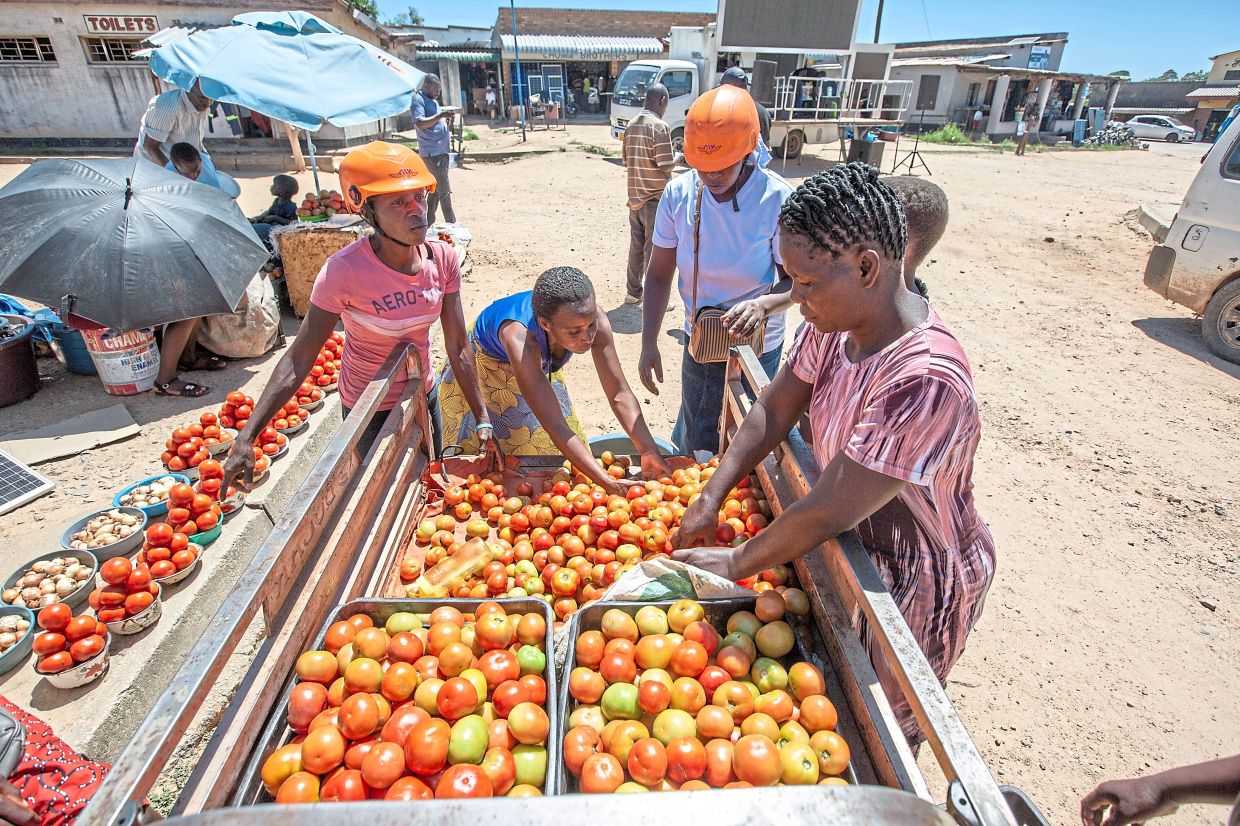
In Wedza, only women own and operate the tricycles. They receive training in safe driving skills, and swapping a lithium battery for a fully recharged one after about 100km costs US$1 (RM4.43).
Motorcycles are a common public transport in sub-Saharan Africa, with some now switching to electric to cut fuel costs.
The United Nations environmental programme is introducing electric two and three-wheelers in nine countries, mostly in East Africa.
In Nigeria, a green energy firm and the United Kingdom’s Foreign Office are providing 120 electric three-wheelers to women, promoting sustainability and economic empowerment.
In Zimbabwe, the lives of many women have changed dramatically, even for those who don’t own tricycles but use them for daily chores. Gone are the days of carrying firewood, buckets of water or heavy farm produce over long distances.
The tricycles, able to navigate narrow paths inaccessible to cars, reach remote homesteads and vegetable gardens. Their affordability makes them accessible to locals.
Hilda Takadini, a tomato farmer, said her business has flourished since she started using Bhobho’s transport services. Previously, she had to leave home at 3am, using an ox-drawn cart to travel 18km to the market.
Often, she arrived too late or not at all, and her tomatoes rotted.
“I get better prices because now I reach the market on time with my tomatoes still fresh. Even the children now know they can rely on me for school fees,” said the 34-year-old mother of six.
At Wedza shopping centre, nearly a dozen women line up with their tricycles, which can carry loads of up to 450kg and have a top speed of 60kph, waiting for customers. They transport passengers, patients heading to hospitals and people carrying building materials such as bricks, groceries and firewood.
However, the women have to contend with challenges such as rough terrain worsened by recent rains, as well as a number of men resistant to seeing women lead in traditionally male-dominated spaces, Bhobho said.
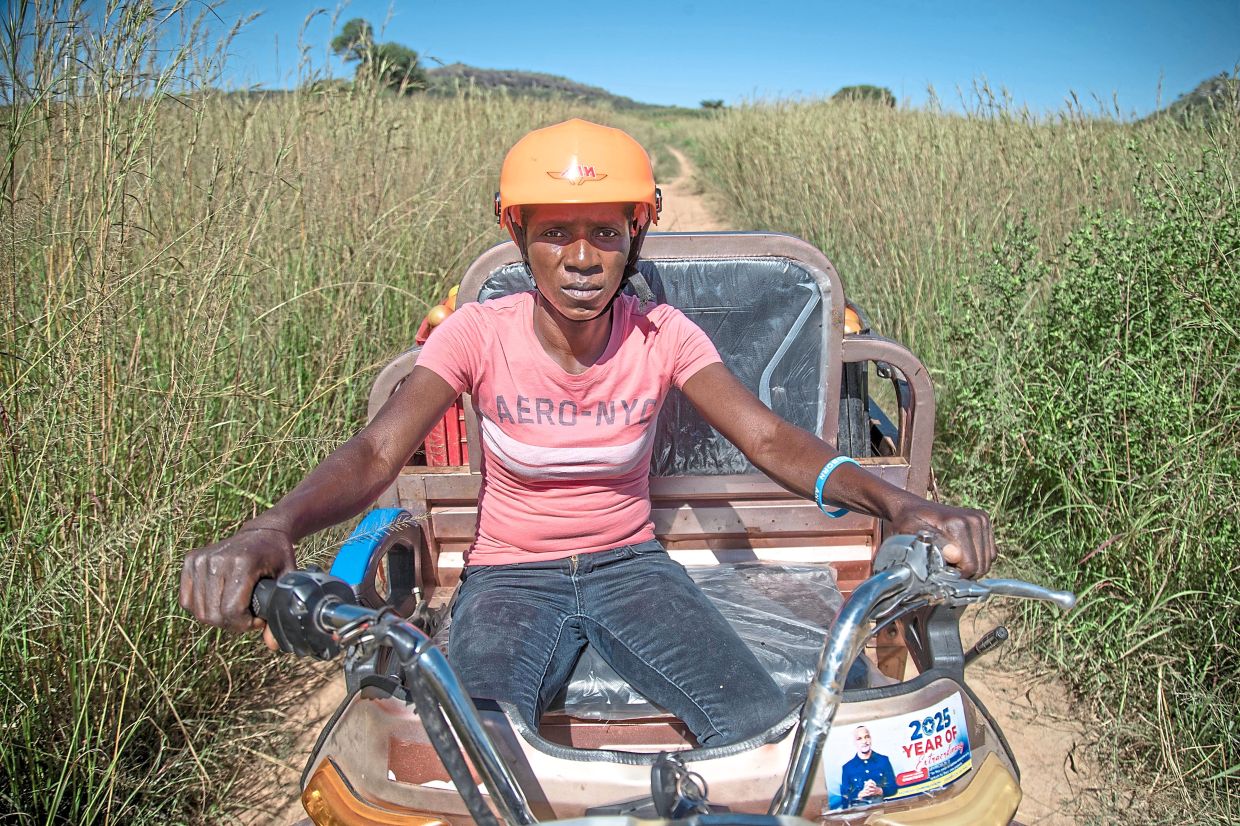
Beyond business, the tricycles are revolutionising health care access, particularly for women and children. Josephine Nyevhe, a volunteer community health worker, uses her tricycle to bring medical services closer to rural families.
On a recent afternoon, a group of mothers with children waited at a roadside. Nyevhe arrived on her tricycle, hung a weighing scale on a tree branch and began measuring the children’s growth. She recorded details in her notebook, offered nutrition advice and referred severe cases to the local clinic.
Many times, her tricycle has served as a village ambulance.
“I am on 24-hour standby. I get calls during odd hours and have to rush people to the hospital. Sometimes it’s a pregnant woman who would have otherwise given birth at home in unsafe conditions,” said Nyevhe, wearing her brown uniform. — AP