




THE tragic stampede on Jan 29 at the Maha Kumbh Mela in Prayagraj, which claimed several lives and injured many others, is another stark reminder of the urgent need for better crowd management strategies at India’s mega religious gatherings.
The Kumbh Mela, recognised as the world’s largest congregation of humanity, draws tens of millions of devotees who come with deep spiritual faith. However, with such unprecedented footfall at the Kumbh, ensuring safety requires more than just faith – it demands meticulous planning, cutting-edge technology, and proactive governance.
This is not the first time a stampede has marred the sacred event. The 2013 Kumbh saw at least 36 people losing their lives in a similar tragedy. Despite advancements in surveillance and security measures, history seems to be repeating itself. This raises serious questions about the adequacy of existing crowd control mechanisms.
Were the contingency plans robust enough? Were there clear exit strategies in place? These concerns must be addressed with urgency. Eyewitnesses from Wednesday’s incident report that confusion and poor crowd flow led to panic. Some devotees, unable to exit safely, were forced to turn back, exacerbating the situation.
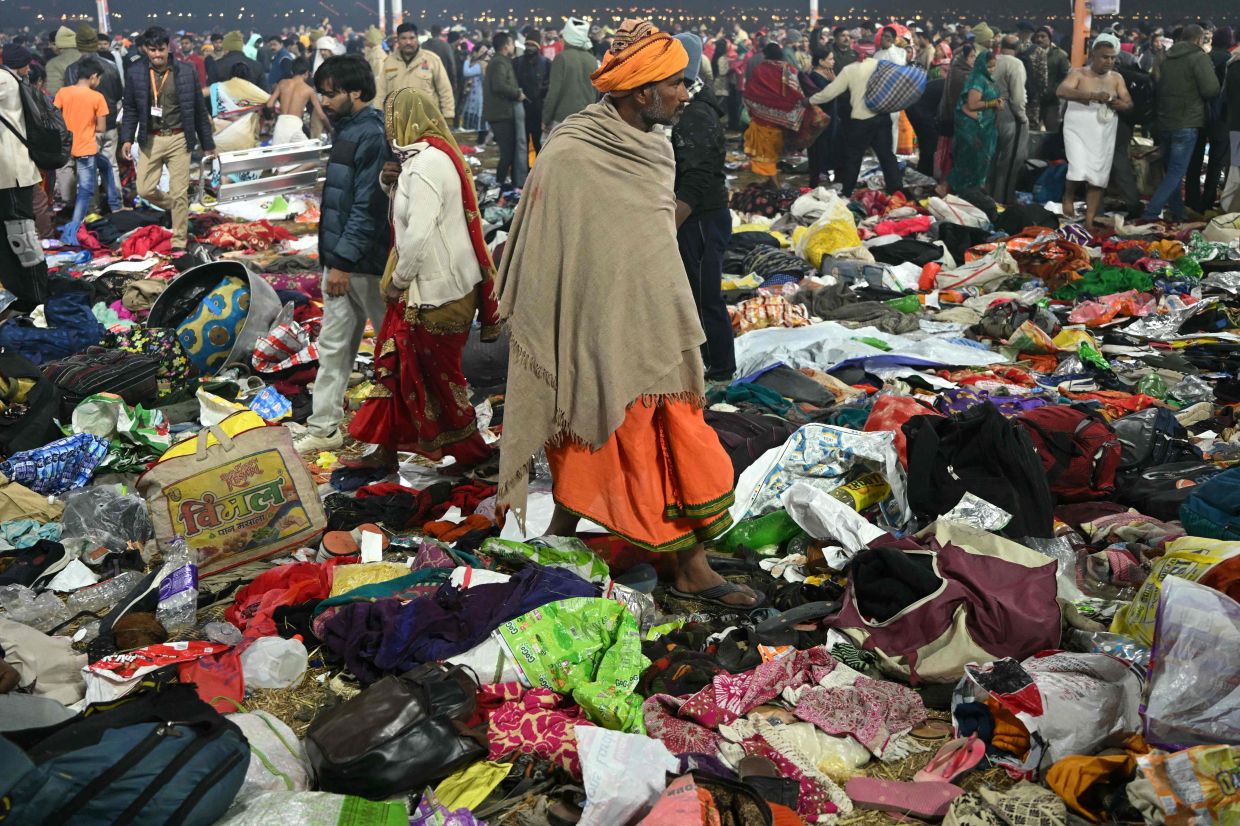
The authorities had used artificial intelligence-based crowd management systems, deployed special security forces, and increased medical personnel, yet these measures did not prevent the disaster.
Clearly, something remains amiss in how these strategies are being executed on the ground. Public awareness is equally crucial in preventing such tragedies. Devotees must be educated on emergency protocols through announcements and signage. Even the best security measures can fail if crowds panic and do not follow safety guidelines in critical situations.
Religious gatherings in India, be it the Kumbh Mela, Sabari-mala pilgrimage, the Tirumala darshan or the Vaishno Devi yatra, often experience massive turnouts, making crowd control a complex challenge.
The Indian government, in coordination with religious bodies, must establish stricter crowd limits, create more regulated entry and exit points, and introduce real-time monitoring of congregation density.
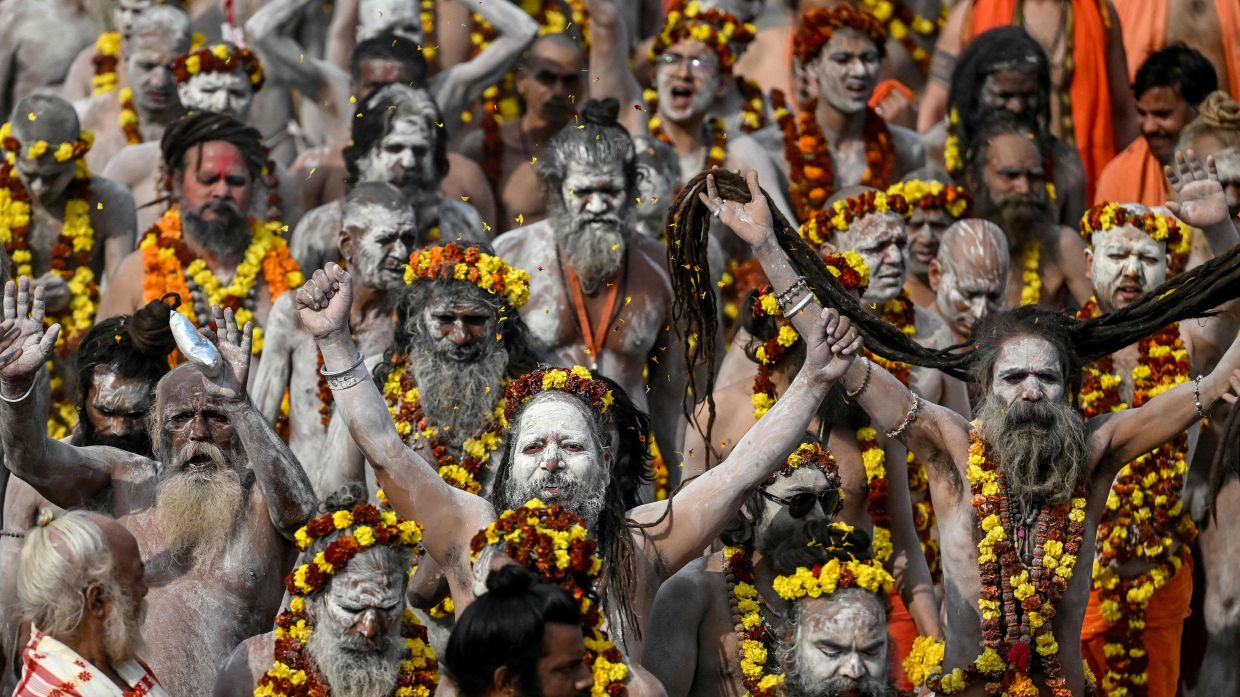
Prime Minister Narendra Modi and Uttar Pradesh Chief Minister Yogi Adityanath acted swiftly to review the situation and issue directives, but such reactive measures must give way to a more proactive approach.
Authorities must anticipate worst-case scenarios and prepare accordingly rather than responding after a tragedy has already unfolded. The future of safe mass gatherings in India lies in the adoption of smarter, more efficient infrastructure.
Temporary townships like the one at the Maha Kumbh need well-planned evacuation routes, AI-powered density alerts, and an adequate number of footbridges to disperse crowds smoothly.
Global best practices offer valuable lessons. India must integrate similar, if not better, mechanisms.
The Maha Kumbh is an event of deep cultural and spiritual significance, but ensuring the safety of devotees is just as sacred a duty.
This tragedy should serve as a wake-up call – crowd management at India’s religious gatherings must move beyond makeshift measures and become a national priority.
Otherwise lives will continue to be lost, and ascribed to God’s will when in reality it is man’s folly that leads to such tragedies. – The Statesman/Asia News Network


