

THERE’s a good chance that many first-time visitors to the Trevi Fountain in Rome know the ritual. Legend has it that tossing a coin over the left shoulder with the right hand, while standing with your back to the water, ensures a return to the Eternal City.
The practice became famous worldwide after the 1954 film Three Coins in the Fountain and its Oscar-winning song performed by Frank Sinatra.
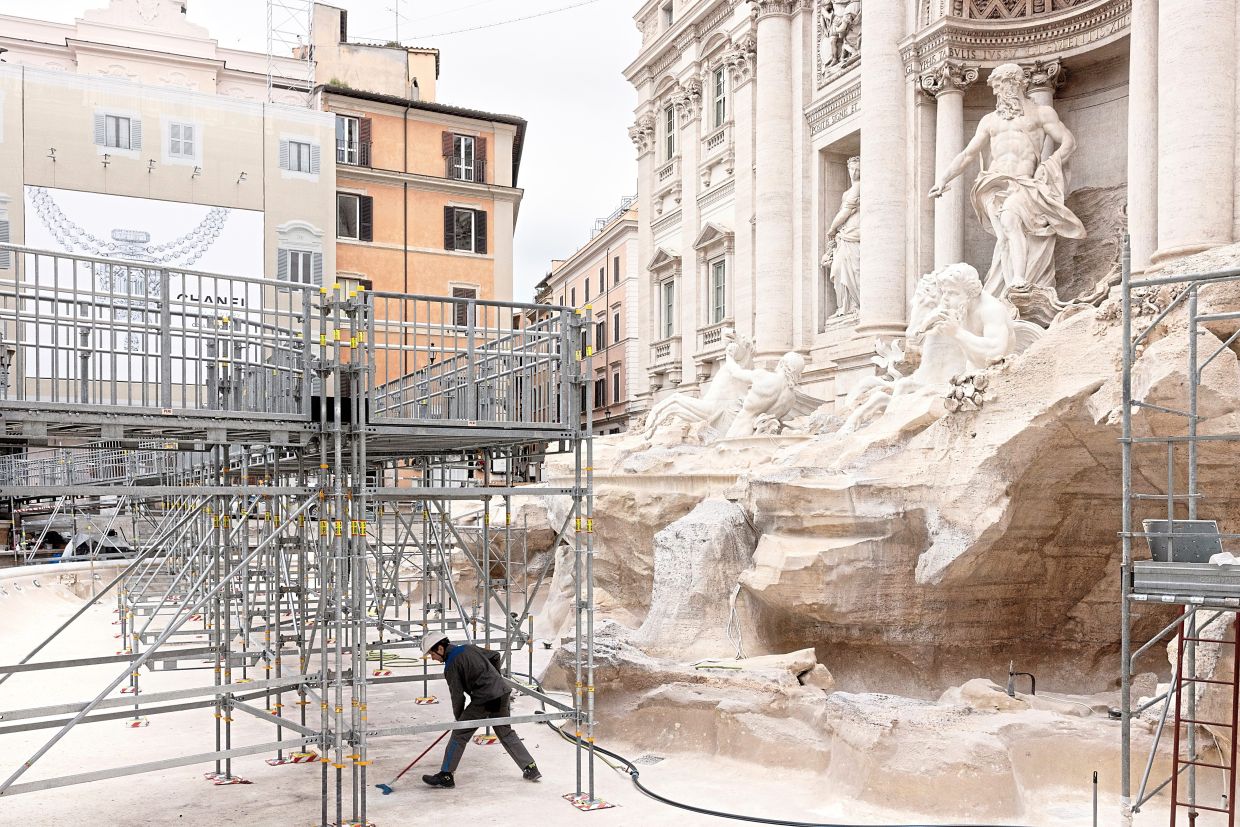
Such is the popularity of the custom that even a three-month restoration, which blocked direct access to the iconic fountain, couldn’t deter tourists. Visitors still gathered to lob coins – an estimated €61,000 worth (RM279,960) – into a makeshift tub placed at the site.
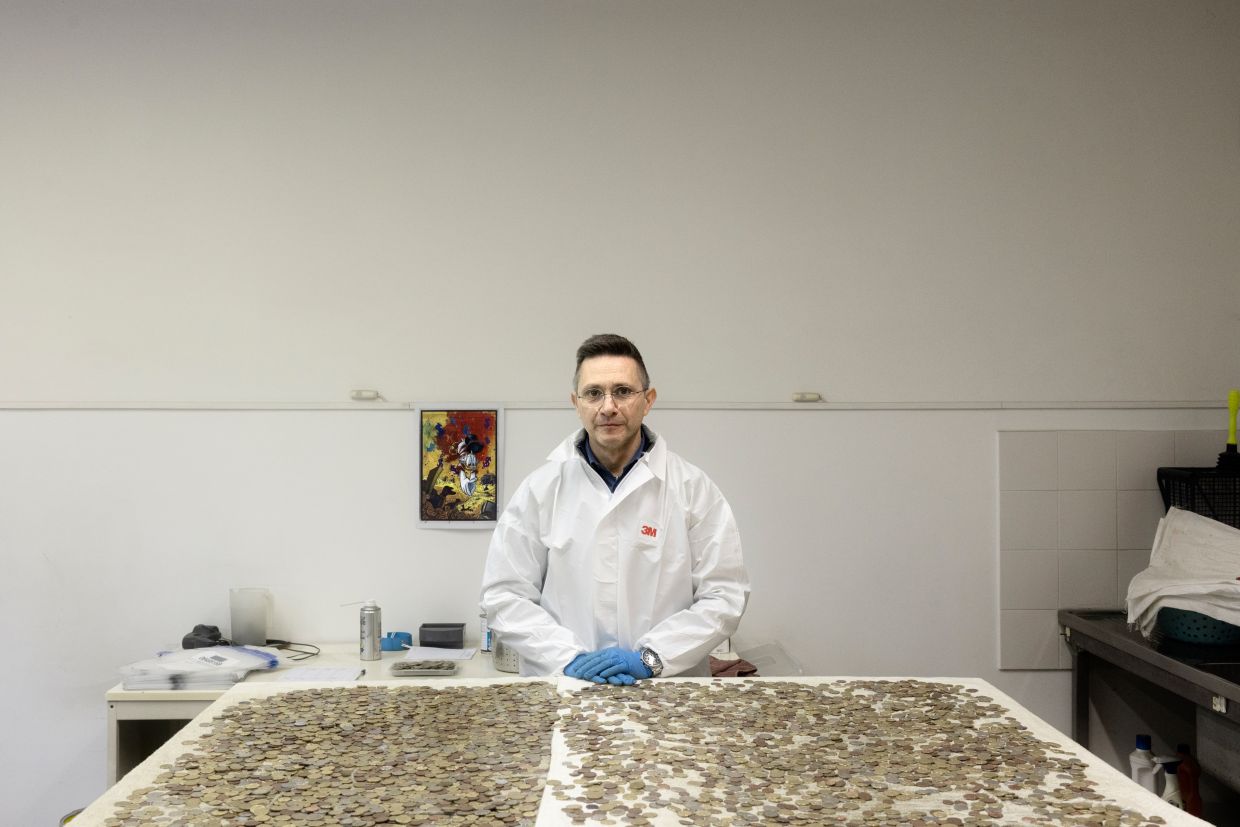
“Tourists come to toss a coin; they don’t care whether there’s construction or not,” said Fabrizio Marchioni, who has been collecting and counting the coins for the Roman Catholic charity Caritas for over 13 years.
“These are coins of solidarity,” added Giustino Trincia, director of Caritas in Rome.
The proceeds are put to good use: in 2023 alone, Caritas provided more than 52,800 meals in its soup kitchens.
Since 2005, the coins retrieved from the fountain have been donated to Caritas by Rome’s municipal administration. In 2023, the total sum collected was close to €2mil.
The recent maintenance of the fountain, a decade after its last major restoration, coincided with preparations for the Catholic Church’s Jubilee Year, which began on Christmas Eve. With 32 million visitors expected over the next year, the city is sprucing up dozens of monuments.
The temporary closure also gave officials an opportunity to test visitor management strategies.
At the fountain’s reopening just before Christmas, it was announced that access to the sunken area in front would be limited to 400 people at a time. Visitors must enter from one side and exit from the other, with monitors ensuring order during peak hours.
“The goal is to let everyone enjoy the fountain without overcrowding,” said Rome’s mayor, Roberto Gualtieri.
Officials are also considering charging a small fee for access.
Rome boasts numerous fountains – remnants of the aqueducts built by the ancient Romans – but none are as famous as the Trevi Fountain.
Designed by Nicola Salvi in the early 18th century, it stands nearly 35m high and is considered one of the most iconic monuments of modern Rome.
Immortalised in Federico Fellini’s La Dolce Vita, the fountain also gained renewed fame when it featured in the 2024 season of Netflix’s Emily in Paris.
The coin-tossing ritual, believed to have originated in the late 19th century, was inspired by an ancient Roman tradition of throwing coins into water for good luck.
Over time, it has become a staple for tourists, though the influx of visitors and the coins themselves have caused wear and tear on the fountain.
“These are enormous, magnificent monuments, but they are also very delicate,” said Anna Maria Cerioni, head of restoration for Rome’s art superintendency.
The minerals in the coins can leave marks on the special waterproof coating used in the fountain’s basin, necessitating regular maintenance.
The fountain continues to be supplied by Aqua Virgo, an aqueduct built in the first century BC. It is the only one of Rome’s 11 ancient aqueducts that has remained in near-continuous use, said Marco Tesan, who manages fountain maintenance for Acea, Rome’s water and electricity utility.
Twice a week, Acea workers use a specially designed machine to vacuum up the coins.
During the recent closure, simpler tools like brooms and dustpans were used.
“You still feel sore at the end of the day,” remarked Luca Tasselli of Acea.
Once collected, the coins are weighed under police supervision before being handed over to Caritas.
At the charity’s office, they are washed, dried, and sorted. To facilitate this process, Caritas commissioned a company to adapt a machine originally designed for drying cutlery.
The sorted coins are then passed through another machine that separates euro coins from other currencies. This machine even detected counterfeit two-euro coins circulating in mid-2023.
Foreign currency is sent to a company for exchange, though Marchioni admitted it’s a cumbersome process.
“It’s best when tourists throw euro coins,” he said.
Apart from coins, other objects are frequently found in the fountain. Larger items such as bottles, umbrellas, and fruit are removed directly by Acea workers.
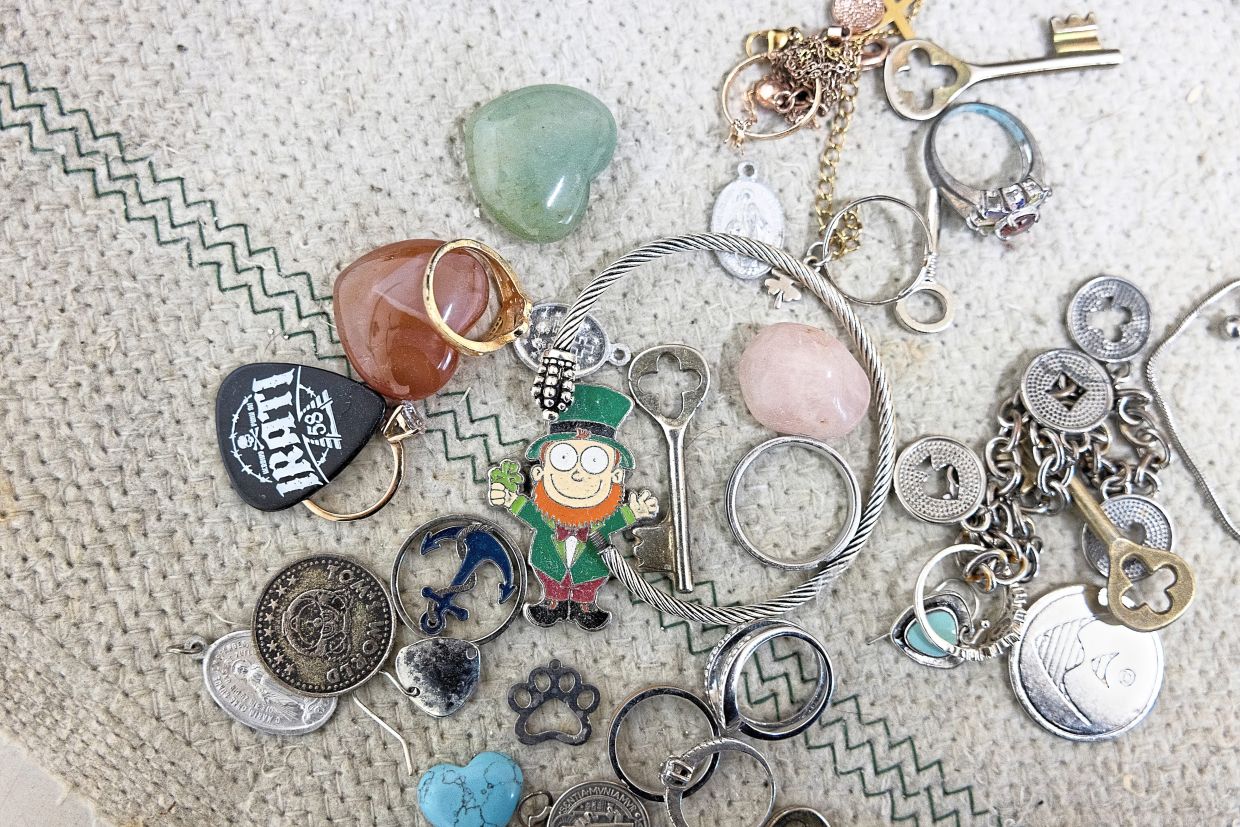
Marchioni and his team sift through the coins for smaller items like religious medals, guitar picks, keys and even jewellery. Expensive-looking pieces are handed over to the police.
The proceeds from the fountain support various Caritas initiatives, including youth activities and care programmes for people with Alzheimer’s disease.
In 2023, the charity assisted nearly 10,000 families in need.
Trincia expressed hope that tourists understand the positive impact of their coin tosses.
“Poverty doesn’t go on holiday,” he said. — ©2025 The New York Times Company
Lucky fountain
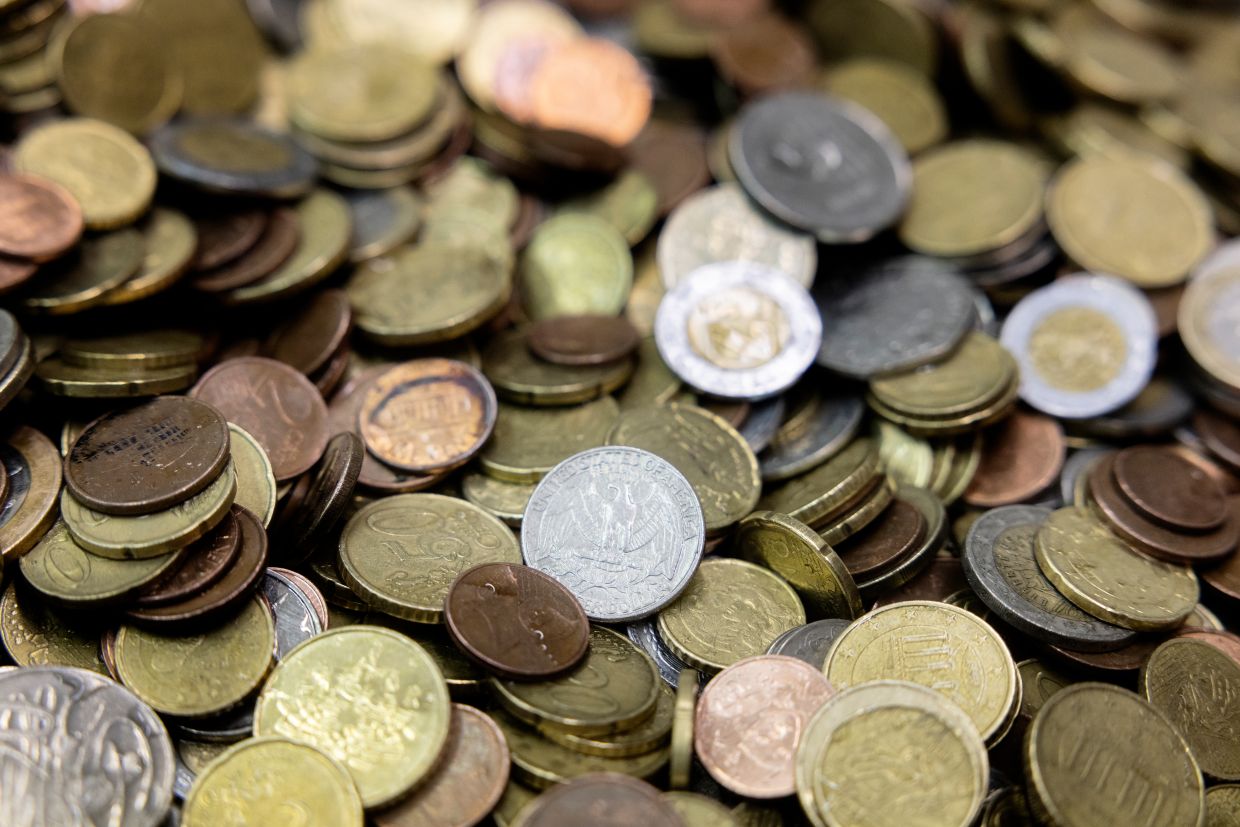
Some of the many miscellaneous items found among the coins collected from the Trevi Fountain in Rome, where for decades people have tossed coins over their shoulders into the water for good luck. — Photos: ©2025 The New York Times Company
Fabrizio Marchioni, whose principal job for 13 years has been to collect and count the coins tossed into Trevi Fountain.
A worker sweeps up coins at Trevi Fountain in Rome, where for decades people have tossed coins over their shoulders into the water for good luck.
Some of the many miscellaneous items found among the coins collected from the Trevi Fountain in Rome. — ©2025 The New York Times Company
