



So Malaysia didn't win an Oscar for the Best International Film this year. However, despite what some may think, the local film scene had a relatively good year in 2023. It could have been great, though, if only ...
WHEN you sit down in front of a screen with your box of popcorn and preferred drink, what movies do you usually watch?
The latest Marvel extravaganza? The next hotly anticipated summer blockbuster?
Perhaps it is time to look a little closer to home and watch some of our recent local films, many of which garnered international recognition or critical acclaim last year.
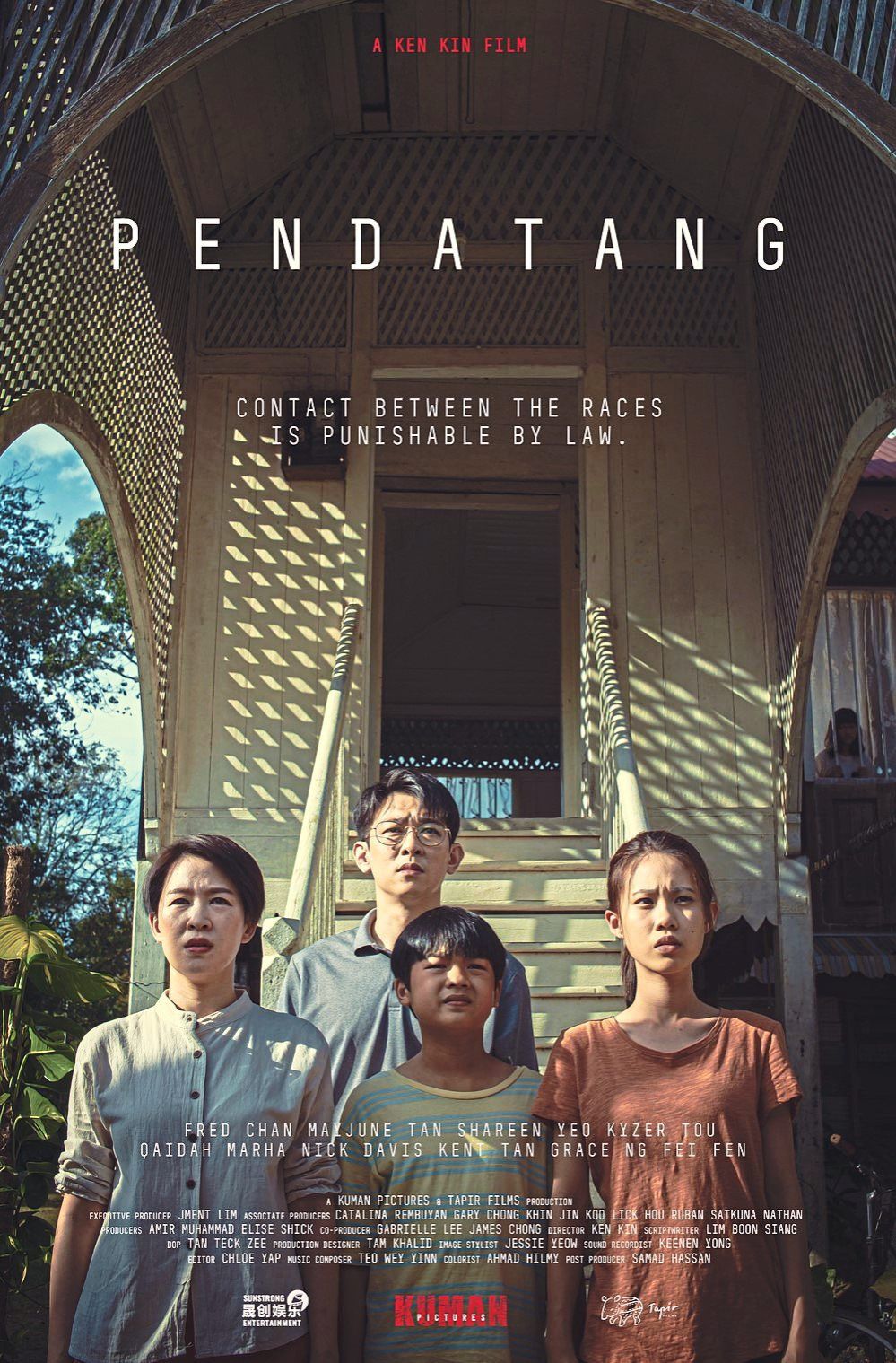
You can have your pick from neo-noir drama Abang Adik to body horror film Tiger Stripes to dystopian thriller Pendatang to poignant family drama Rain Town and romantic sci-fi Imaginur.
These are just some of the local movies which made waves last year, whether domestically or on the international film circuit.
ALSO READ: Malaysian movies: From local gems to international acclaim
Despite these successes, local filmmakers still face a host of challenges in making movies.
Among the issues cited are funding problems, the lack of a Malaysian film identity, and a lack of audience interest.
The government is trying to do its part to boost the local film industry, with most local films being partly funded by grants given by the National Film Development Corporation Malaysia (Finas).
However, this has bred an overreliance on state funding when there are other more creative ways to finance movies, says independent filmmaker and publisher Amir Muhammad.
“I am more comfortable making films on lower budgets anyway and I would like to explore unconventional ways of financing, which is why we crowdfunded Pendatang.”
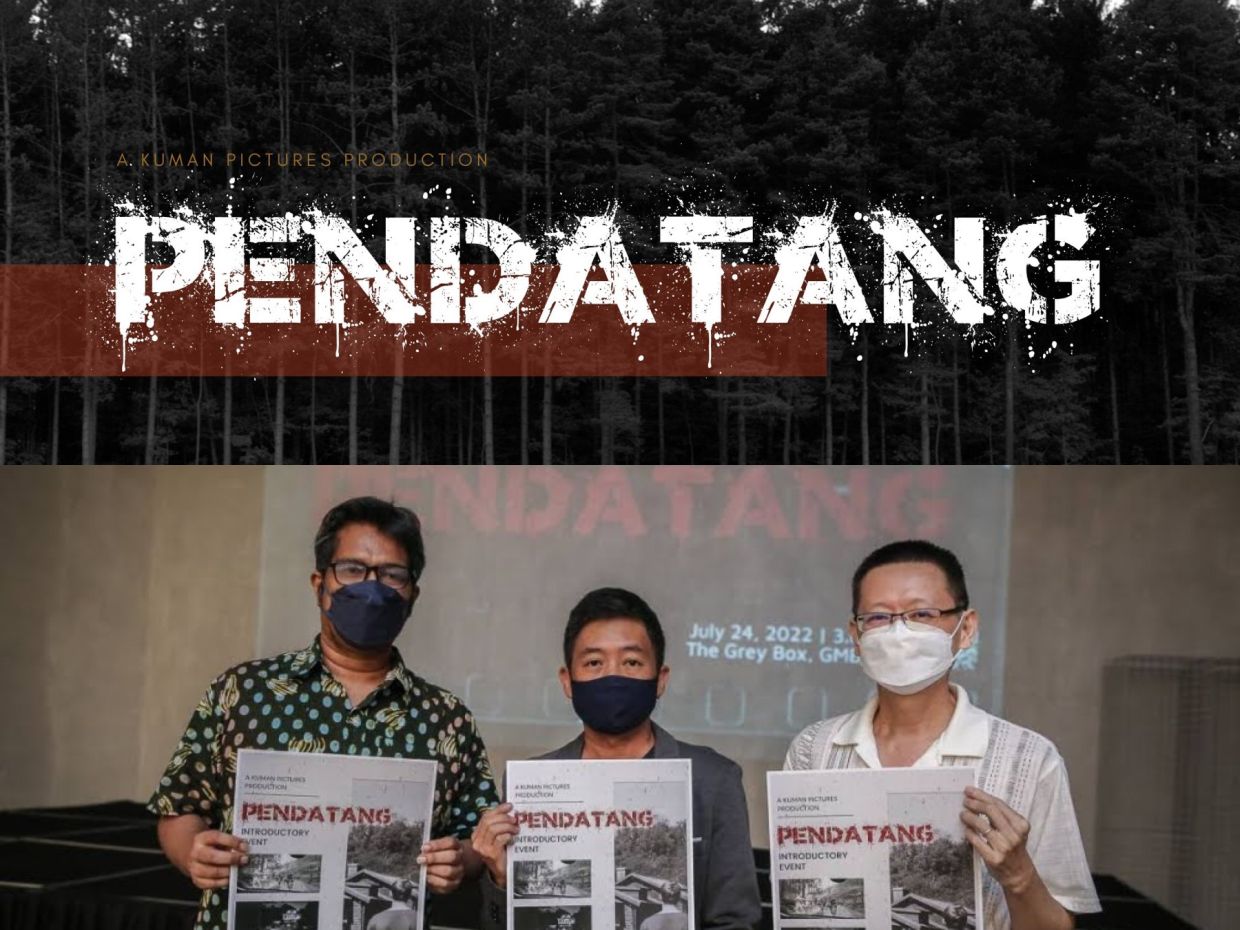
Pendatang is the first of its kind in Malaysia: A movie that is entirely crowdfunded – raising over RM300,000 – and later released on YouTube to rave reviews.
“We hope it will inspire others and we will be happy to help,” Amir says.
Show me the money
For most films though, private investment remains crucial as Finas funding is finite, but it is hard for filmmakers to convince private funders to invest in Malaysian films.
“It is tough to get private funding because the reach of local films is seen to be limited. If there are ways to change this, I would be all ears,” says Amir.

This is one of the reasons why a movie’s box office performance is so important.
Independent producer Danish Mokhtar, who founded Atma Entertainment, wants to help local creatives navigate commercial needs while maintaining their artistic vision, but with how badly most Malaysian movies do at the box office, he struggles to find private funding for films.
“I can say that for every producer, the hurdle they have to face when they meet potential investors is to answer the question, ‘How can I make my money back?’”
Facing difficulties in financing movies is something Rain Town director Tunku Mona Riza has experienced personally.
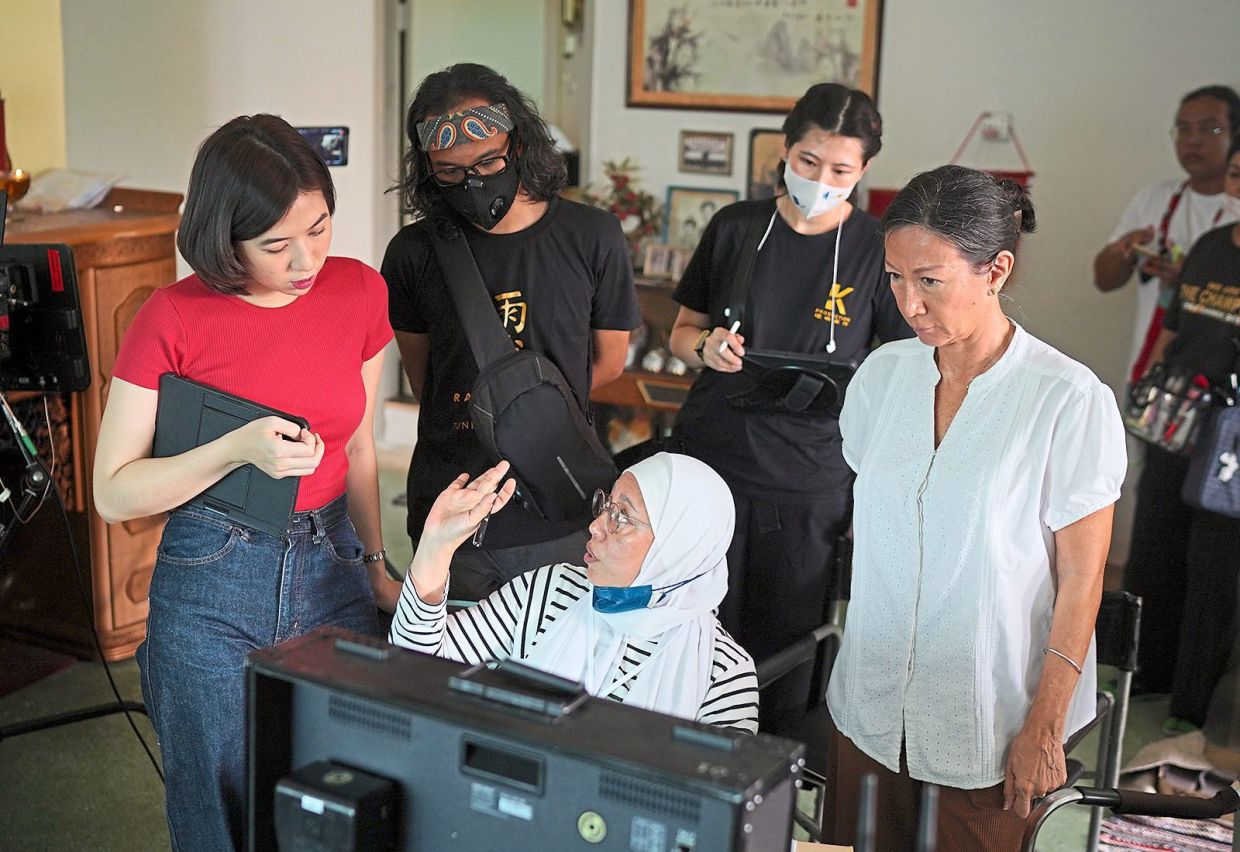
Following the success of her first film, Redha (2016), Tunku Mona says she initially planned her next film to be about the journey of the athletes who won Malaysia’s first gold medal in the 2016 Paralympics in Rio de Janeiro, but she soon ran into financing problems.
Though she was initially offered a RM2mil grant from Finas, she says the milestones she was given as part of the grant were “ridiculous” and she also tried to get private funding.
“It was even tougher [to get private funding] when people spoke to me and said we want to know about the KPI [key performance indicators].
“Malaysian films are something I really can’t guarantee the returns of. Finally, after a few years, I gave up,” she recalls.
Eventually, she managed to get the grant from Finas to make Rain Town instead, which has since been screened at international film festivals such as the Silk Road Film Festival, the Golden Rooster Film Festival and the Vancouver Asian Film Festival, among others.
Even with the RM2mil grant, the director says she had to inject her own money into the film’s budget, despite knowing there is a high chance she would be unable to make that money back through box office returns.
Identity crisis
Aside from funding issues, there is a perception that Malaysian films lack “authenticity” and instead recreate the “essence” of Hollywood or South Korean films, says director and screenwriter Al Jafree Md Yusop.
“I don’t blame the filmmakers. When I was lecturing, I kept on recommending to students classic Malaysian films that were made in the 1960s and 1970s.
“The sad thing is when they ask me where can they watch it and I don’t have an answer,” he says.
Film students in the United States, for example, can easily watch American movies from the 1950s such as Casablanca and Gone With The Wind, because they have an extensive film archive. In Malaysia, no efforts are being made to restore or even archive classic films.
“Our film archive is practically nonexistent. We might have lost some great films. We have the history but the films are not available.”
Danish believes a strong identity is what makes a good film great.
“We are living in a time where there are so many options. For you to stand out, you have to have a very specific voice.
“Barbie did so well because it had a very strong voice. In Malaysia, Imaginur and Abang Adik have very strong voices,” he says.
Cultivate a good audience
But good filmmakers making good movies are not the only part of the formula.
Tunku Mona was thrilled when Rain Town was screened in international film festivals to packed halls and critical acclaim.
But it was a different story when the movie eventually premièred in Malaysia on Feb 8, 2024.
Within a week of its première, cinema operators were planning to take it off their schedule due to a muted response from the audience. This brings us to the next issue local films struggle with, which is a lack of interest from local audiences.
When film development is discussed, the focus is entirely on cultivating good filmmakers, but Al Jafree says it is more than just that.
“Film development is not just about developing filmmakers, it is also about developing the audience.
“If we make good films and yet do not have a good audience, then there will be nobody to watch [the films].”

Part of Al Jafree’s attempts to cultivate a more mature audience is organising community cinemas, which screen all sorts of alternative films for the public.
“This is an individual’s effort, we are doing it with our own money. Imagine if there are such moves from the authorities.”
Tunku Mona also suggests school curricula include classes on filmmaking to instil a love for films from a young age.
These are long-term initiatives, but Amir has a more immediate solution.
“Support the movies you like by watching them and discussing them and encouraging others to watch. No need to wait for government initiatives.”
Next week: How can we boost Malaysian films further?
Already a subscriber? Log in
Get 20% OFF The Star Digital Access
Cancel anytime. Ad-free. Unlimited access with perks.
Lights, camera, action!






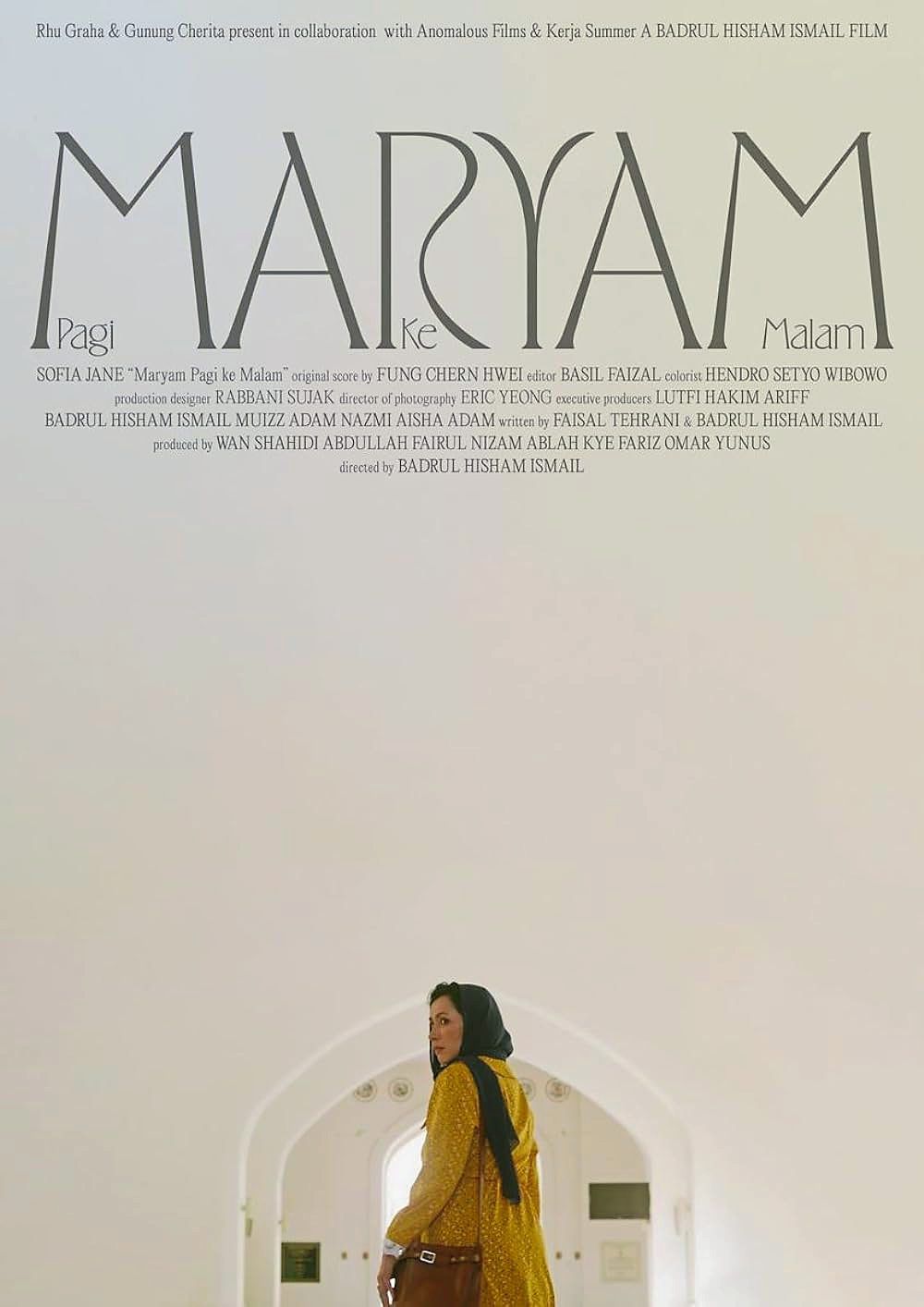
There were also various local Malay films from Imam to Pulau and Bayangan Dendam.
Imaginur
Tiger stripes
Tiger stripes
Rain Town
Pendatang
Abang Adik
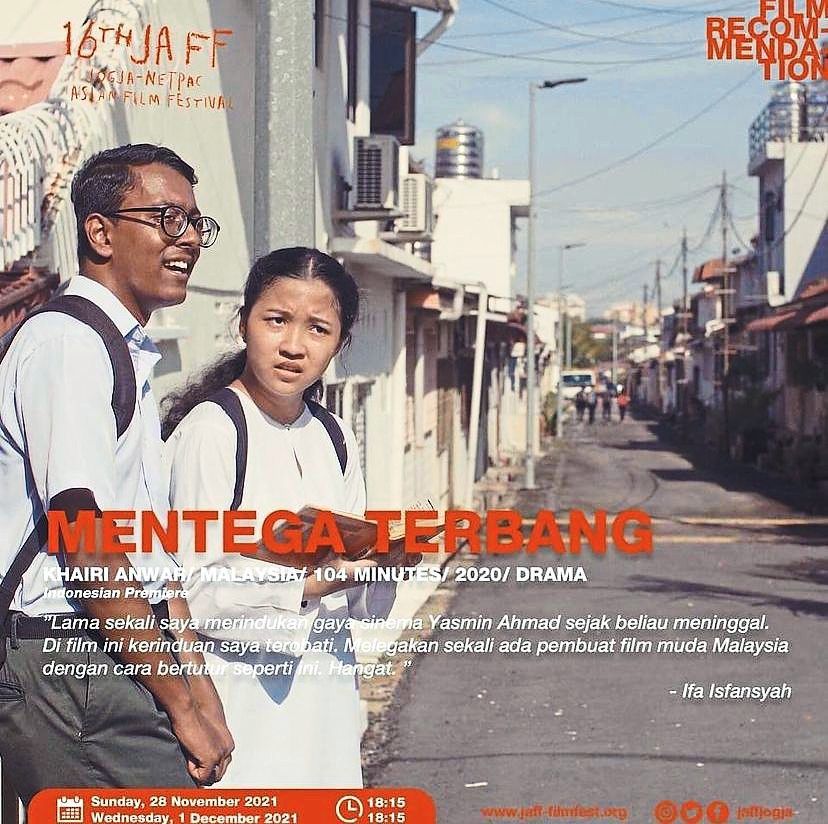
Mentega Terbang
Maryam Pagi ke Malam
