



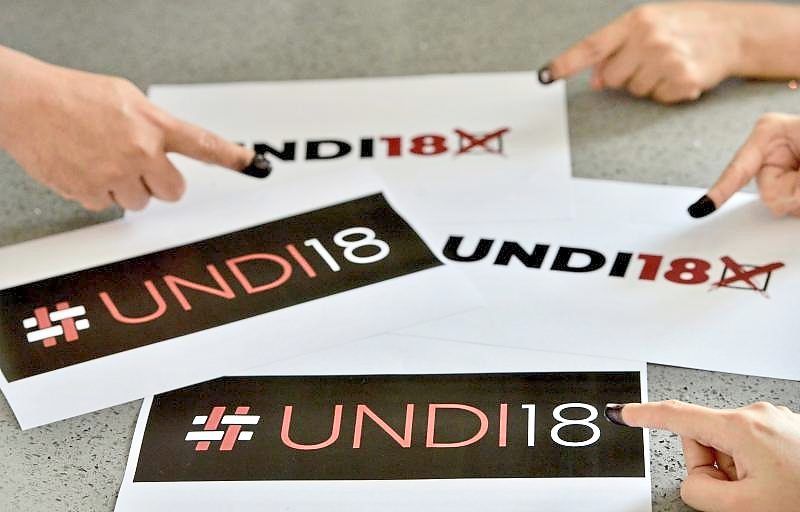
WHEN results of the 15th General Election (GE15) in November 2022 began to trickle in with many surprises and upsets, I was on Twitter, seeing people blaming the Undi18 generation for the unexpected outcomes. Many took to social media to voice their thoughts about how the movement “failed”. Some were quick to label voters aged 18-20 as inexperienced, easily influenced, or not politically literate.
With six state elections coming up soon, and since this is the inaugural piece of the Youth Pulse column, I thought I would revisit this issue.

A little background: I was among 18 applicants who filed a judicial review at the Kuala Lumpur High Court in 2021 against the then government’s decision to delay the implementation of the Undi18 Bill to lower the voting age to 18. The then-government was eventually ordered by the Kuching High Court in a parallel lawsuit to implement the Bill immediately.
Rather evidently, Undi18 is a cause close to my heart, so what do I make of the “blame game” that took place post-GE15?
It is not an exaggeration to say that GE15 was influenced by a myriad different factors, from the scars of a pandemic to a looming economic crisis. We must consider that Malaysian youths, too, have their own set of priorities, and may have weighed these issues differently from older voters when picking their Member of Parliament.
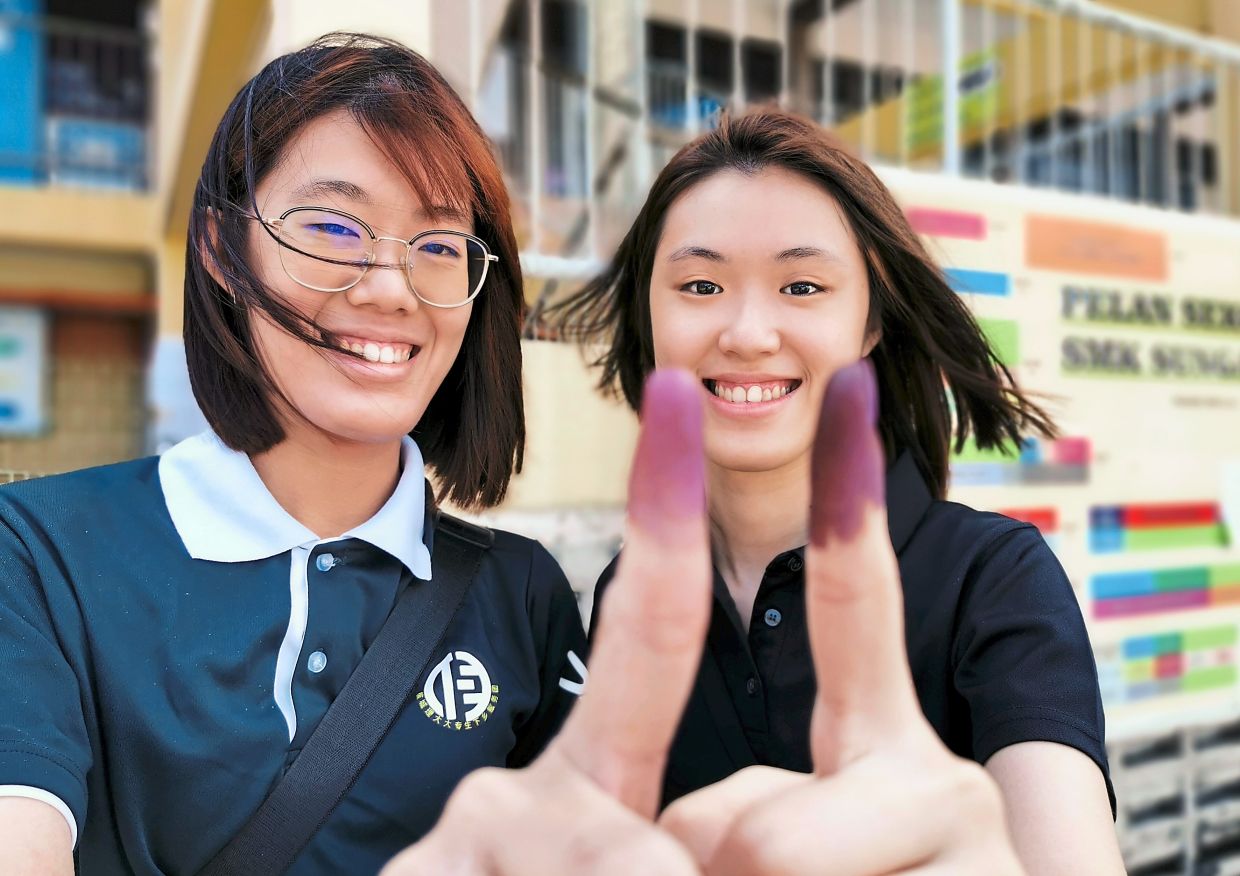
Another point of contention was that the youth were influenced by social media content. I believe that due to readily available information online, young people can be more critical of and sensitive to prevailing issues.
The disdain some of the youth seem to have towards leaders or parties implicated in corruption issues was made audibly clear. Furthermore, young candidates that were fielded enjoyed huge youth support on social media, a clarion call for stronger youth representation in politics.
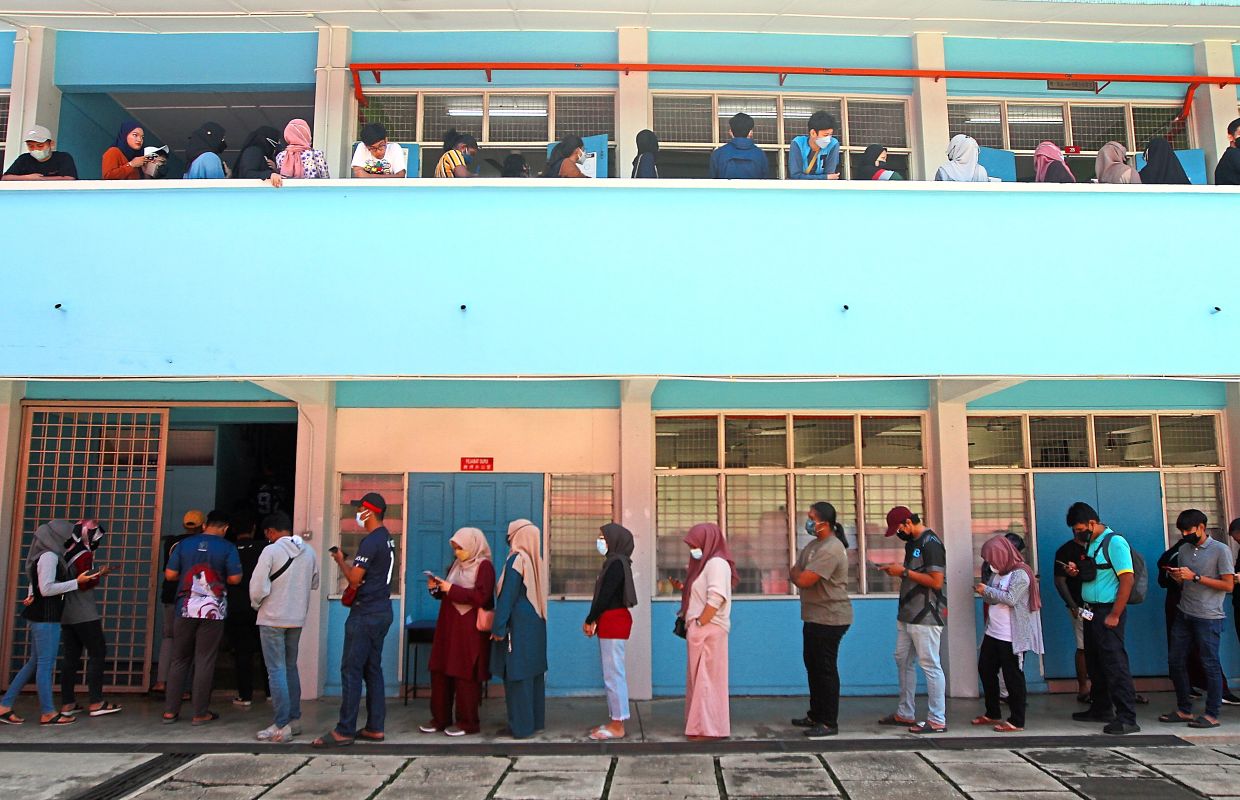
Sentiments aside, there is no data to support claims that Undi18 “failed”. Youth voters voted in saluran (voting stream) One and Two, which were introduced in polling stations during GE15, and there is no saluran- level data available to justify that this age group voted in a particular pattern.
In perhaps the strongest counter-argument, automatic voter registration added 6.9 million voters, of which only 1.4 million voters benefited from the lowering of the voting age. Surely this meagre percentage isn’t the cause of all this dissatisfaction?
I have to ask if the detractors of the movement genuinely think Undi18 failed, or are they unhappy because their favoured party did not win big.
Instead of dismissing the country’s youth or those we disagree with, efforts should be concentrated on shaping better, more politically-literate young voters.
This starts by strengthening the quality of education pertaining to Malaysian history, the Malaysian legal system and civic studies. Academic curriculum has to keep up with the times to impart political and media literacy, particularly among rural youth.
We must also encourage meaningful philosophical discussion and critical thinking skills at the secondary school level. There is still fear over allowing such discussions, which must be swiftly addressed.
Political parties must also conduct meaningful social media engagement with and outreach to the youth. In a digital age, this may be a good benchmark of whether a party can harness the media space responsibly and successfully if elected into government.
Early exposure is crucial in preparing the younger generation to fulfil their responsibility as voters. I feel there’s a need to impress on young people that elections have far-reaching consequences and is an integral democratic process. The tendency to label an election as “dirty” only exists because some politicians fail to carry out their responsibilities with integrity.
Young Malaysians are not a monolith, but instead are a diverse group with different lived experiences, perspectives, and political beliefs. In a healthy democracy, differences in the last are bound to happen.
I also feel compelled to share that amidst the pessimism about youth voters during GE15, I witnessed Malaysian students studying abroad rising to the occasion in organising a postal ballot collection initiative branded VoteMalaysia, which I was personally involved in too.
At the end of its operations, VoteMalaysia successfully collected 35,092 postal ballots, 73% of all postal voters in GE15.
While many volunteers contributed to the movement, the efforts of numerous Malaysian students abroad who opened up booths within their universities to facilitate postal ballot collection within their community cannot be discounted.
Even if elections yield results that disappoint you, don’t despair, for the best of the youth are ready. They are learning at lightning speed, taking no prisoners when it comes to their democratic rights, and are prepared to lead.
So come the state elections, I urge all parties to engage meaningfully with Malaysia’s youth. Discuss bread and butter issues instead of pushing racial and religious rhetoric. Hear them out about challenges they face and consider that in manifestos.
And to the general public, trust Malaysia’s youth and the democratic process. Treat us with kindness and remember, democracy does not work only when your preferred party wins.
Student Jonathan Lee traces his writing roots to the The Star’s BRATs (young journalists) programme, which he has written for since 2016. He is now a Malaysian youth advocate. The views expressed here are solely his own.
Already a subscriber? Log in
Get 20% OFF The Star Digital Access
Cancel anytime. Ad-free. Unlimited access with perks.
Exercising their democratic right
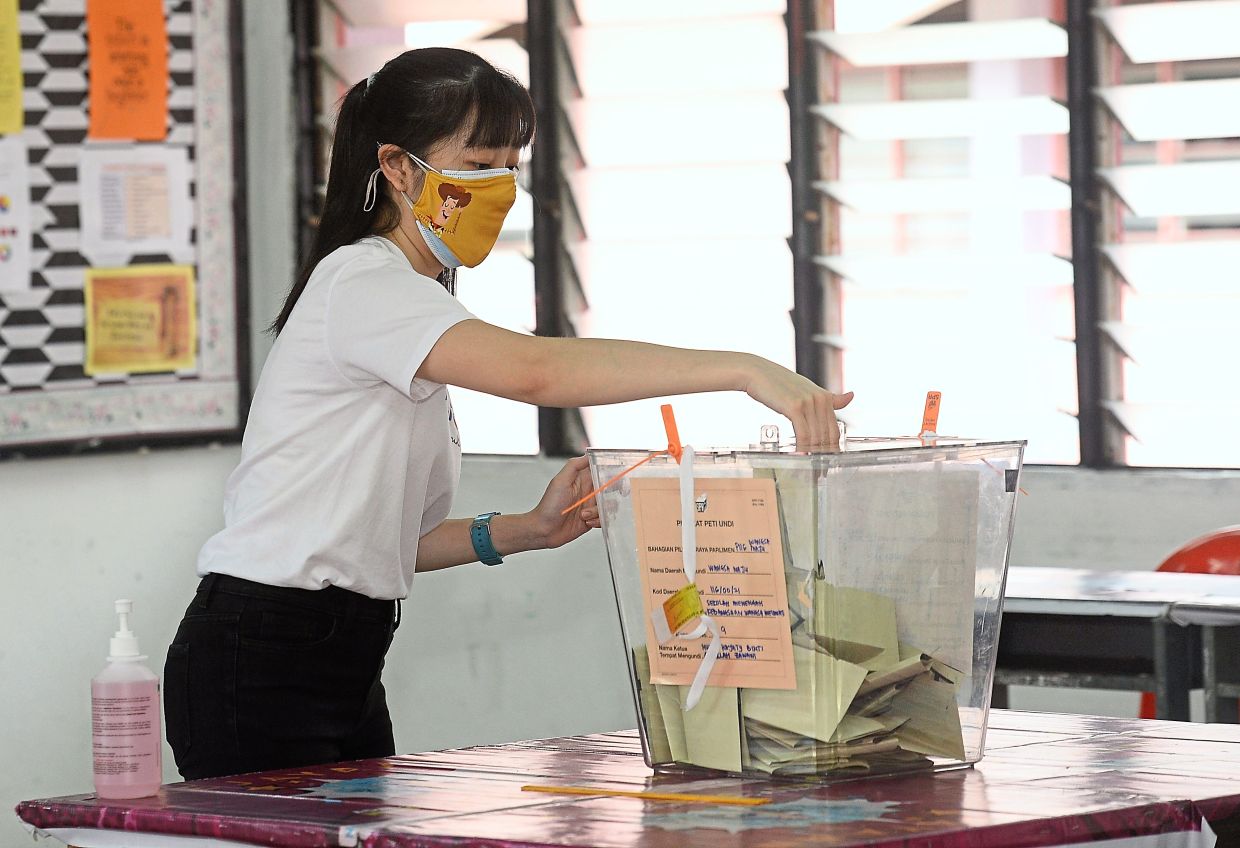
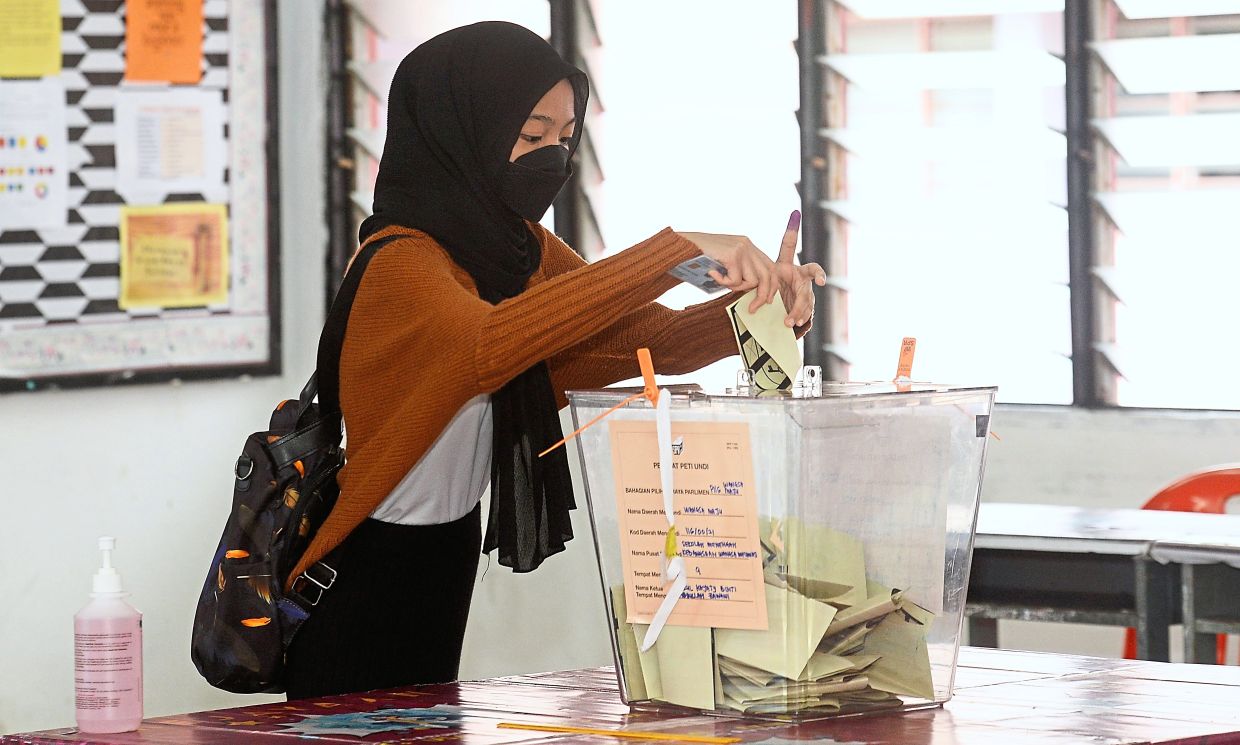
A young voter during GE15. Some on social media were quick to label the 18-20 voter group as inexperienced, easily influenced or not politically literate. — AZHAR MAHFOF/The Star
Sisters Lee Jia Ying (left) and Lee Jia Yi voted for the first time in GE15. Due to readily available information online, youth can be more critical and sensitive to the issues prevailing around them, says the writer. — KT GOH/The Star
Youth voters voted in saluran (voting stream) One and Two, which were introduced in polling stations during GE15, but there is no saluran-level data available yet to see voting patterns in this age group. — MUHAMAD SHAHRIL ROSLI/The Star
A young voter casting her vote in GE15. Some netizens were quick to label voters aged 18-20 as inexperienced, easily influenced or not politically literate. — AZHAR MAHFOF/The Star
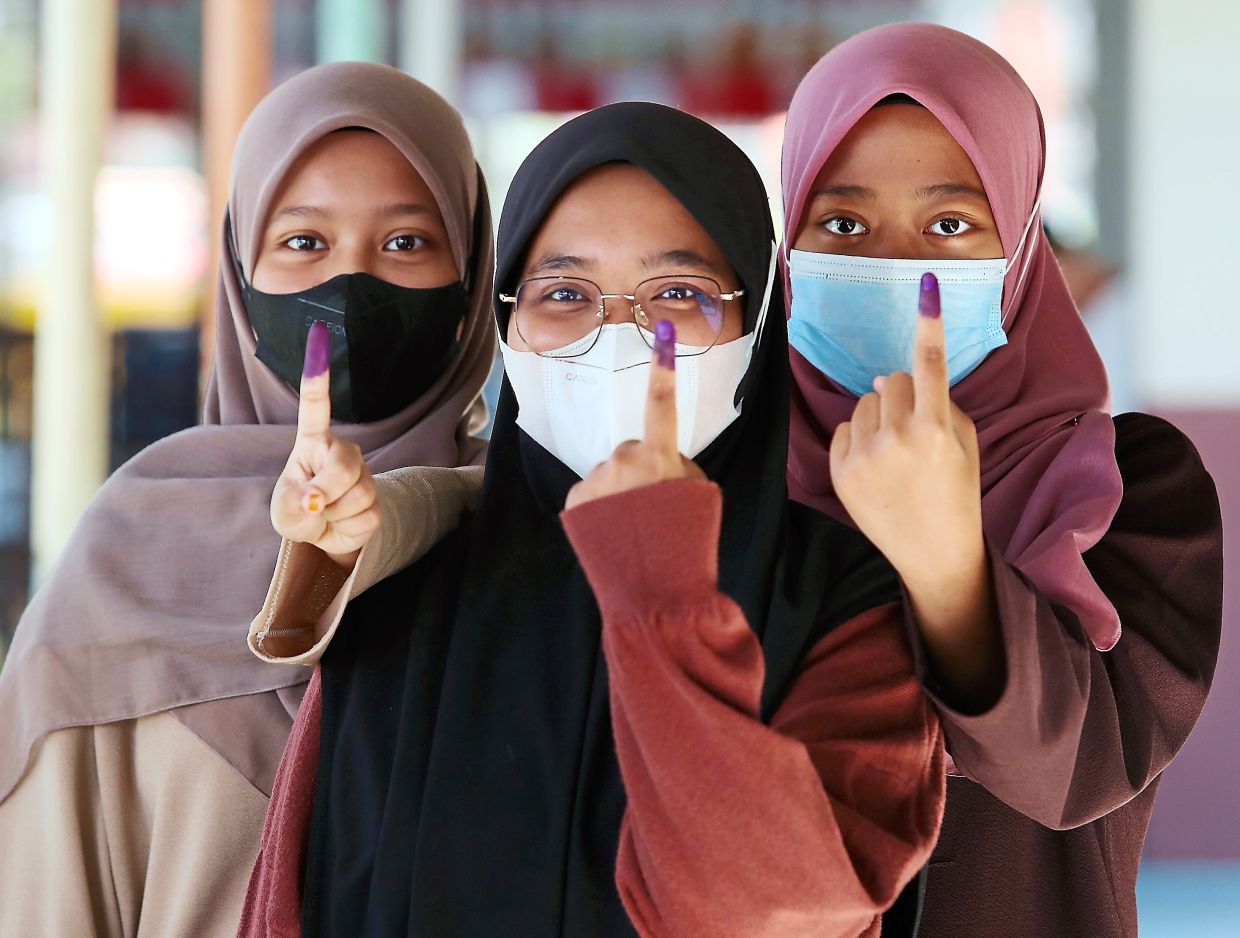
Democracy in action: Many young voters were excited to vote for the first time in GE15. (From left) Nur Sabrina with siblings Zahra Zurdi and Nur Amirah. — MUHAMAD SHAHRIL ROSLI/The Star
