BANGKOK Climate Action Week couldn’t have taken place at a more opportune time.
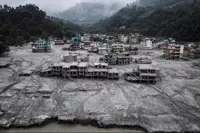
Delegates and journalists arriving for the Oct 3 to 11 conference were greeted with scenes of flooding in the city’s outskirts after a month’s worth of rain – 300mm – fell within 72 hours earlier in the week, triggering a disaster emergency across 50 districts.
The flooding had occurred while the rest of South-East Asia – specifically, Brunei, Indonesia, Malaysia, Singapore, and Timor Leste – was grappling with bush fires and haze.
It was a sober reminder that nobody can escape the effects of climate change.
The largest annual climate gathering in the Asia-Pacific area, Bangkok Climate Week brought together regional and international civil society networks a few weeks before the 31st United Nations Climate Change Conference (Conference of Parties, or COP31) kicks off on Nov 9 in Antalya, Turkiye.
The Bangkok event included a group of countries and activists hoping to jump start a process first begun in Dubai, United Arab Emirates, in 2023: Transitioning away from fossil fuels.
The Fossil Fuel Treaty Initiative is a joint global effort between governments and civil society – including organisations, cities, parliamentarians, and indigenous nations – to secure a just and equitable global transition away from coal, oil, and gas.
“Together, we are forging the path to a new, binding legal instrument to accelerate the phase out of fossil fuels and build a safe, healthy, and sustainable future for all,” the initiative said in a briefing pack given to journalists on Oct 8.
The burning of fossil fuels is the largest contributor to planet-warming CO2 emissions.
Big ambitions
To say that COP28 in Dubai in 2023 was enormous is an understatement. It saw over 100,000 participants, including over 150 heads of state.
But COP28 was also a landmark meeting for a very different reason. It was the first time that language calling for member states to transition away from fossil fuels made its way into a formal agreement at a COP meeting.
Since then, however, the topic has stalled, with little progress at subsequent COP meetings in Baku, Azerbaijan, and Belem, Brazil.
Backed by 18 countries, including Asean members Cambodia and Timor Leste, as well as oil-producer Colombia, the initiative wants a new international agreement to stop the expansion of fossil fuel production, manage an equitable phase out of existing fossil fuel production, and sufficient financing to ensure a just transition.
It comes on the back of the Kuala Lumpur Declaration on Climate Justice, which was adopted by civil society and climate experts from South-East and South Asia in March this year.
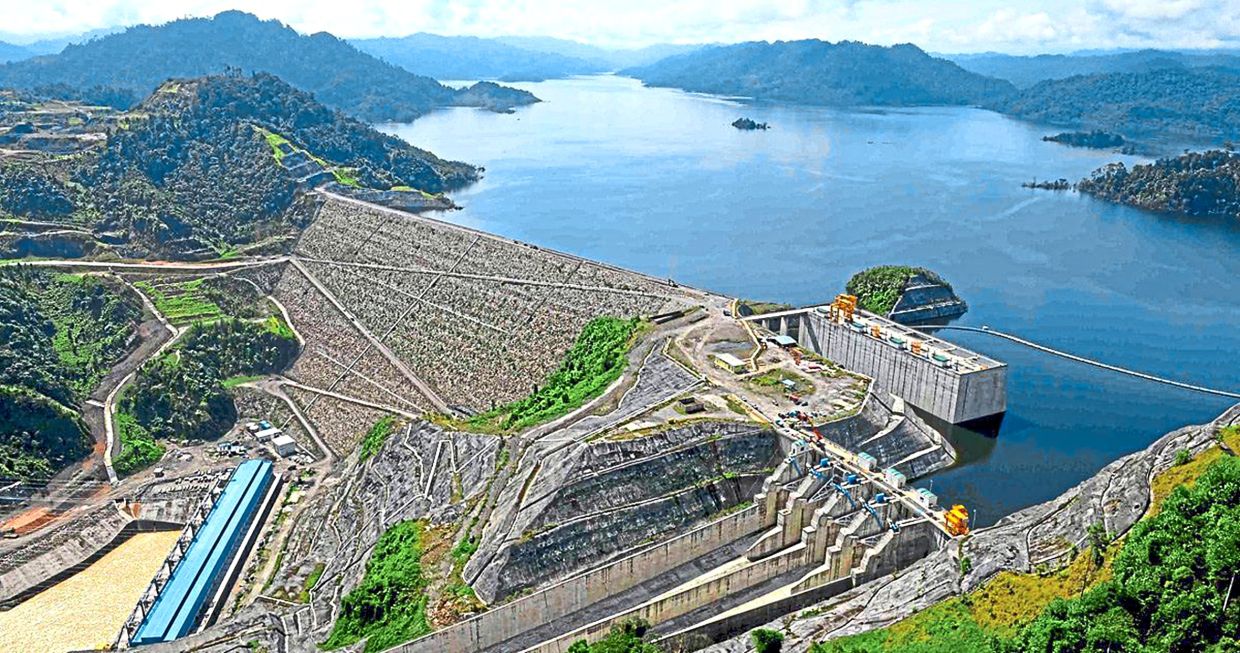
Designed to complement the more general Paris Agreement – a legally binding international treaty adopted in 2015 to limit global warming to below 2°C above pre-industrial levels – the proposed binding multilateral treaty will focus specifically on fossil fuel supply, with aims to unlock the finance, cooperation, and governance needed for an equitable global transition.
The initiative is looking for inspiration from successful landmark agreements such as the Treaty on the Non-Proliferation of Nuclear Weapons and the Mine Ban Treaty, which stemmed from global movements first started by NGOs.
The economics of change
One of the arguments offered by members of the initiative for pushing the transition away from fossil fuels now is because the cost of generating power through renewables has plunged.
According to a July 2026 report published by the International Renewable Energy Agency, the average generation cost for newly commissioned solar projects is around 18 sen per kWh (kilowatt-hour), having fallen about 90% since 2010.
Couple this with the rising price of oil due to the war in Iran, constricted supply, and increasing evidence of the effects of runaway global warming, and the reasons to move to green energy are the strongest they have ever been.
But can the initiative get any wind going in its sails without the engagement or participation of fossil-fuel producing countries like Malaysia?
The organisers behind the initiative say it is a strategic decision to start negotiations for a treaty without first involving powerful petro states. However, the current group of countries backing the deal are small island states like Fiji and Tuvalu, and Cambodia, none of which produce oil, gas, or coal and are thus more incentivised to move away from fossil fuels, unlike petro states.
Under its National Energy Transition Roadmap, Malaysia has committed to not building new coal-fired power plants and to reducing coal-fired power capacity to 50% by 2035. It has also pledged to completely phase out coal by 2044.
But for Malaysia, which depends on revenue from natural gas and petrol, transitioning from fossil fuels will be anything but easy and will most certainly have a socioeconomic impact on, among others, livelihoods, jobs, subsidies, and cost of living.
While addressing the Energy Asia 2023 conference, Prime Minister Datuk Seri Anwar Ibrahim said that Malaysia continued to see natural gas playing an important role in the energy mix, and as one of the cleanest-burning hydrocarbons to transition towards a lower carbon economy.
Transitioning to renewable energy also means additional investment in infrastructure such as grid and battery storage systems.
Besides, is it not unfair to expect developing countries which are not responsible for historical emissions firing up global warming to transition away from fossil fuels?
Finding a way forward
Other groups among the over 4,000 calling for the treaty are Oxfam International Asia, Fridays for Future, and Amnesty International.
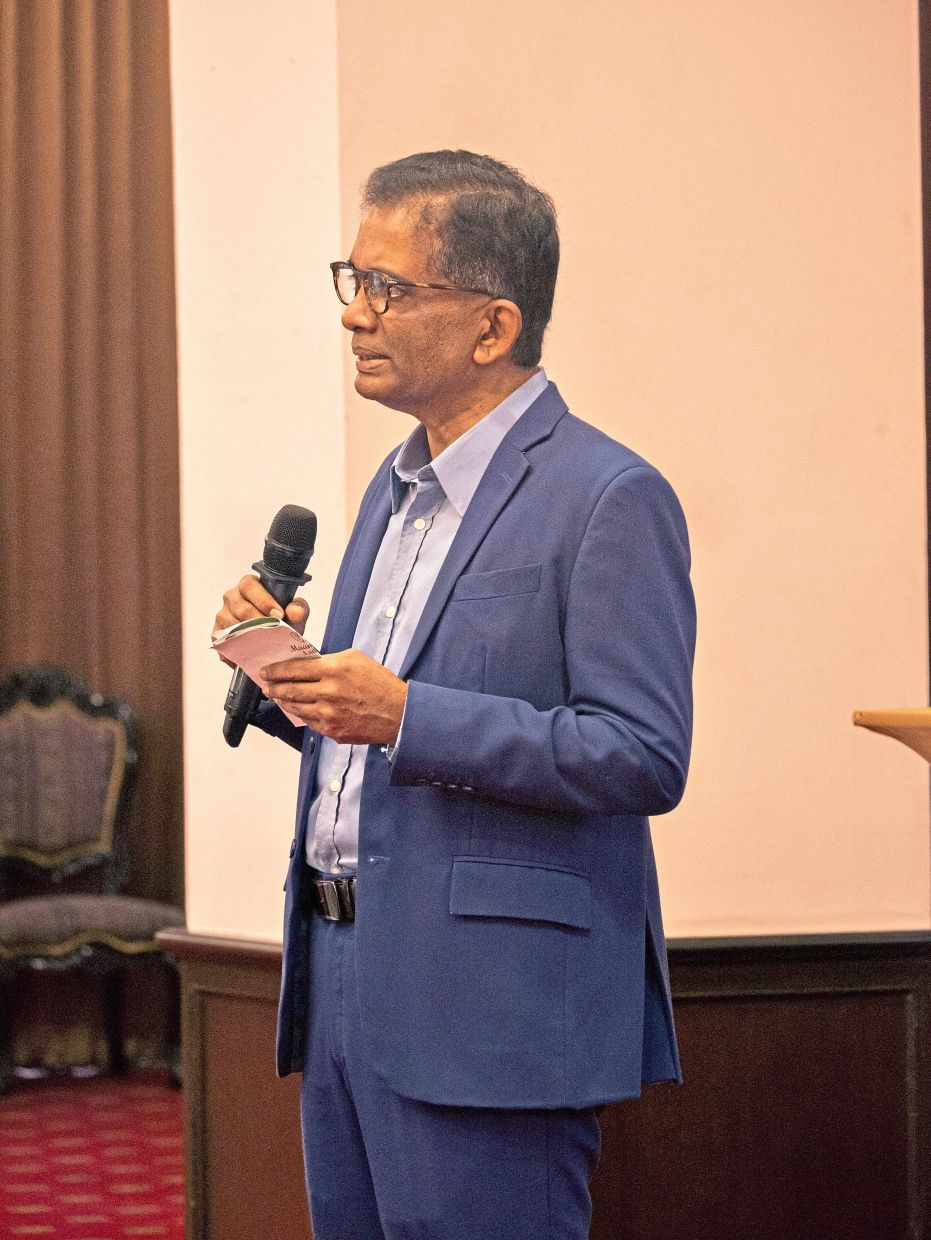
In this regard, Cansea, says its director and regional coordinator Nithi Nesadurai, is planning a series of focus group discussions across Malaysia on how the country can reduce its dependence on fossil fuels.
“We are going to start a whole series of focus group discussions, starting in Kuala Lumpur before going to Kota Kinabalu, Kuching, Johor Baru, and Penang.
Cansea believes consensus must come through multi-stakeholder discussions of how Malaysia can transition away from fossil fuels with examinations of alternative livelihoods, economic diversification, and economic transformation, Nithi says in a recent interview.
He adds that participants will include the private sector, civil society, academia, and think tanks. “State government agencies will also be invited,” Nithi, who is based in Malaysia, is careful to emphasise.
The plan is to have a national gathering in January 2027 that will bring all stakeholders together to discuss possible pathways.
Cansea, he adds, has been working in East Kalimantan and South Sumatra, Indonesia, which derive 30% of its revenue from the coal sector, to come up with a model to transition away from fossil fuels and an economic transformation plan that would subsequently be adopted by the provincial governments.
Cansea, Nithi says, also aims to develop separate transition models for fossil fuel-importing and -exporting countries.
“One is a model for fossil fuel importing countries, because there’s an incentive to save money if they transition away from fossil fuel.
“What about fossil fuel exporting countries? So we need a model for that as well.
“So for fossil fuel importing countries, we are working quite closely with the government of Cambodia to find out,” explains Nithi, adding that Cansea has had three rounds of engagement with the government there.
Who will foot the bill?
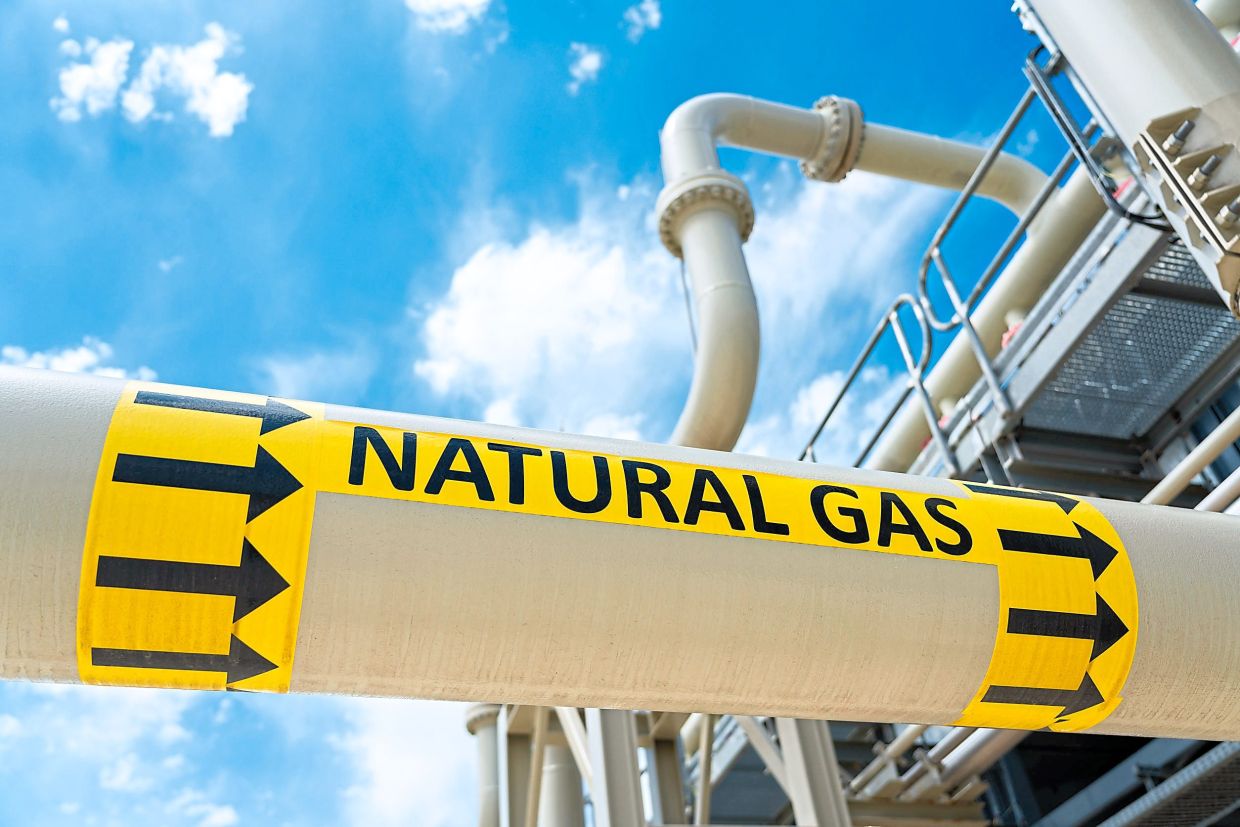
Nithi also describes Malaysia’s decision to look at natural gas as the transition fuel as a “short-sighted response”, adding that the country should consider transitioning straight away into renewables.
Nithi admits that transitioning towards renewables is not something which is going to happen next year or even in five years.
He adds that “When countries express interest, the means of implementation should be provided by the developed countries, including assessing money through the multilateral climate funds”, saying that there are a lot of programmes that will support such development.
Yet existing climate financing mechanisms, such as Loss and Damage, Green Climate Funds, and the Adaptation Fund have all received complaints about inadequate contributions, delayed disbursements, and access difficulty.
It makes sense to transition, especially when the need to curb global warming has become more urgent with the supersized El Nino weather cycle Malaysia is currently facing, and as the impacts of climate change are becoming more severe and more financially damaging.
And transitioning should take the form of a treaty or instrument that is binding, fair, and equitable, and comes with financial support for changes that are bound to impact people’s livelihoods and countries’ economies.
But whether we can do this quickly enough is the challenge.
It’s going to be a long road ahead.