
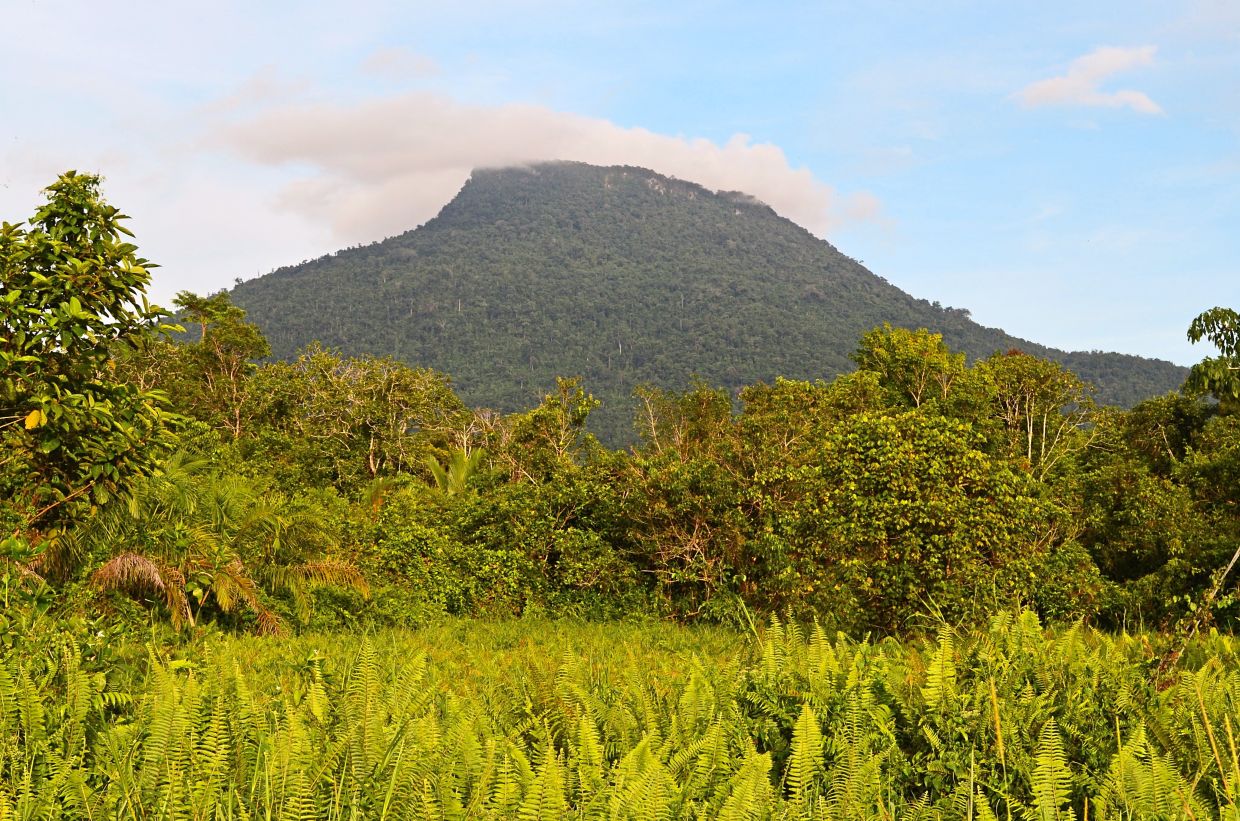
IN the forest surrounding Gunung Lesong National Park in Sarawak, quiet clicks heralded much excitement recently: A WWF-Malaysia camera trap had just captured images of orang utans.
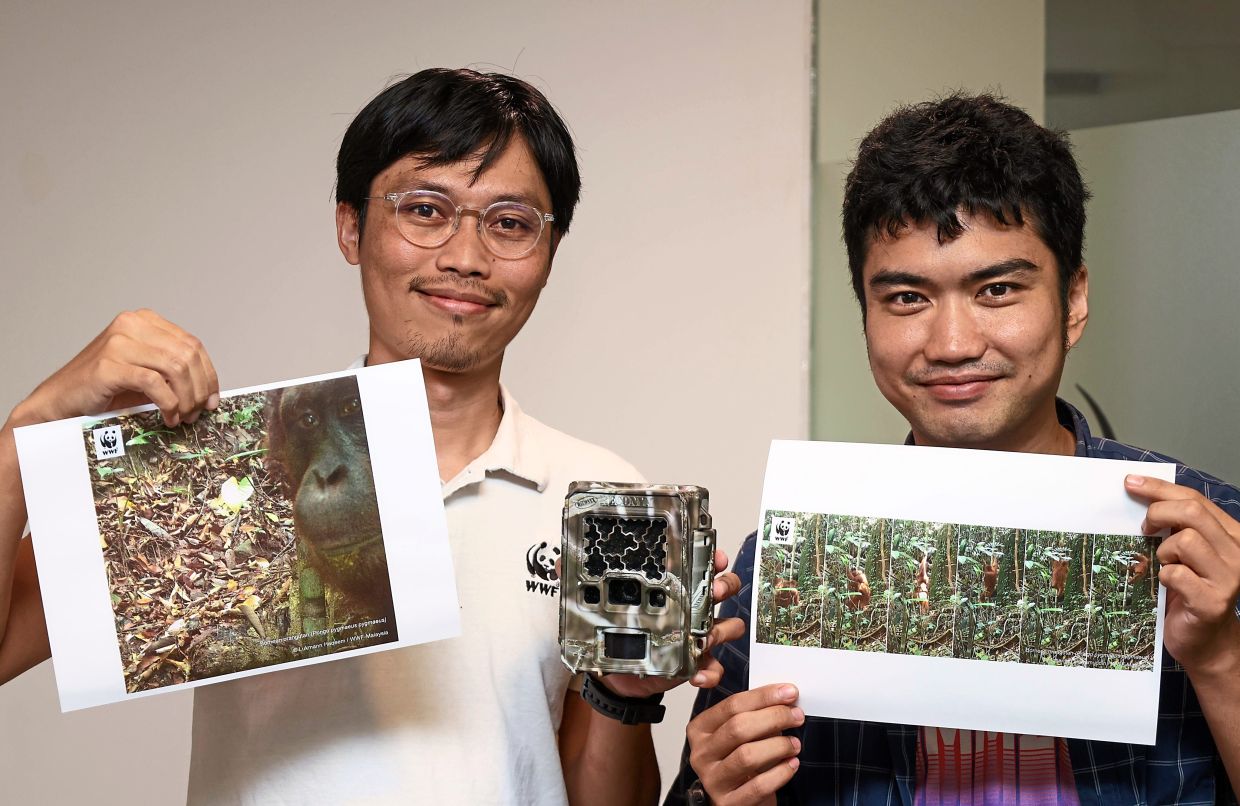
According to senior field biologist Lukmann Haqeem Alen, these are the first images of orang utans to be recorded in the locality, highlighting the importance of conserving the area outside the national park.
A team installed 39 camera traps in March for a six-month period to capture images of wildlife and collect species information in the area.
“We did not expect to capture any orang utans because they tend to stay in the tree canopy whereas our cameras are close to the forest floor,” Lukmann says.
“But from the images that we have, it seems that the orang utans were curious and wanted to check out the camera traps.
“We’re very excited because these are the first camera trap images of orang utans in the area.
“I know in Sarawak there has been camera trapping work in other places which also captured orang utans but for the Gunung Lesong area, this is a first, and it was captured by our team so we’re pretty delighted.”

“The images show a baby orang utan clinging to an adult. A baby always clings to its own mother. That’s why we think it’s a mother and her baby.”
This area in Sarawak has been known as an orang utan habitat since British naturalist Alfred Russell Wallace visited it more than 100 years ago, but there is no estimate of the population there. Wallace, known as the co-discoverer of the theory of evolution by natural selection alongside Charles Darwin, published The Malay Archipelago: The Land of the Orang-Utan, and the Bird of Paradise in 1869.
“Wallace’s book mentions orang utans being present there. Other reports came out in 1961 by other researchers, so basically we know it’s a habitat of orang utan,” says Lukmann.
“But all this while there’s been no indication of how many orang utans are in that area or where they are. With these camera trap images we can definitely say there are at least three different individuals.”
With the images as proof of orang utans outside the national park, Lukmann says efforts must be made to conserve the area as well.
“We hope people will think more carefully about what they want to do with these areas, especially just adjacent to the national park, to ensure that the orang utans can continue to live.”
“We look at the wildlife corridor as a potential connection between Gunung Lesong and Ulu Sebuyau parks so that the orang utan population can be more viable,” says Philovenney Pengiran, WWF-Malay-sia’s wildlife and habitat conservation programme officer.
Lukmann explains that the corridor would enable the orang utans to move between the two national parks to obtain food or breed.
“If you look at Gunung Lesong National Park, it’s a small area that is isolated from the other national park. The orang utans might need more areas than that for them to get food or to breed.
“Another reason is that in case of climate adversity, the orang utans can move to the other national park if they are connected,” he says.

“We try to identify sites that need more restoration, for example areas that experienced landslides in the past. We try to advocate for restoration of areas that are empty patches by planting more trees.
“We recommend local species that already exist there or endemic fruit trees that can benefit both the villagers and the orang utans, so the trees can produce income for the community and food for the orang utans,” she says.
Besides the wildlife corridor project, Philovenney says WWF-Malaysia is collaborating with local district offices, agriculture and forest departments and other government agencies on ecotourism and agroforestry initiatives for the Gunung Lesong communities.
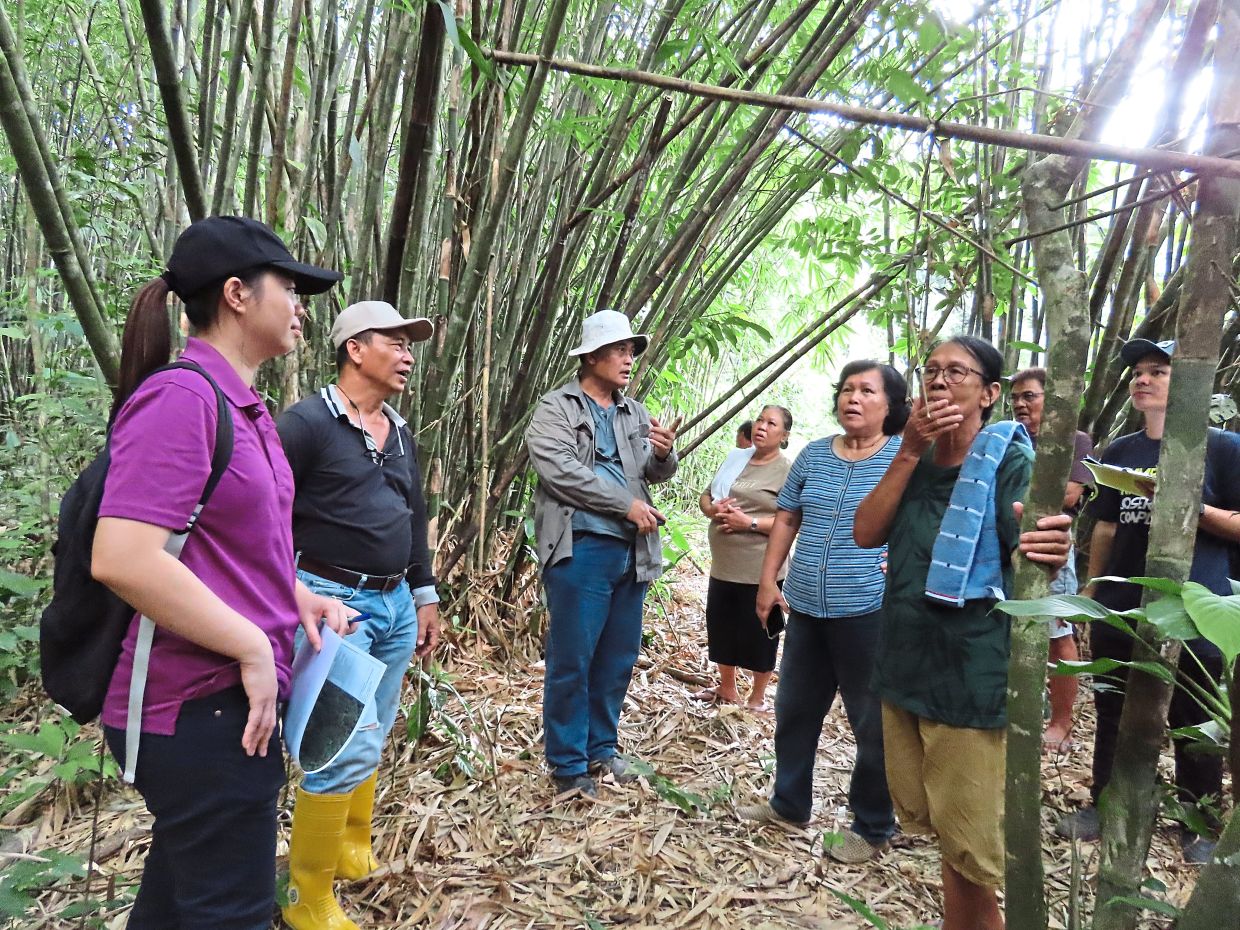
The Gunung Lesong project is a complex journey involving a lot of consultation with the local communities, she says.
“We go to the communities to explain what the project is about and help them to understand it. At the same time we need to gather feedback from them so that we understand from their perspective how they feel about it.”
So far, the feedback on the project has been positive, she says.
Ultimately, the main objective is to empower the communities to continue having sustainable livelihoods even after the project ends, she says.
“We hope they will be stewards of the area and have awareness of conservation, at the same time balancing it with their livelihoods,” says Philovenney.
Already a subscriber? Log in
Get 20% OFF The Star Digital Access
Cancel anytime. Ad-free. Unlimited access with perks.