
THE constant need to perform better is a reality for athletes.
Their ambition, along with expectations from others, can give rise to debilitating pressure, affecting their well-being.
Seeking to address the mental demands of competitive sports, the Asia Pacific University of Technology & Innovation (APU) is using sports analytics and applied psychological science to help athletes build resilience and cope with pressure.
The initiative, jointly undertaken by its Asia Pacific Centre for Analytics (APCA) and School of Psychology (SoP), recently saw national squash players from the Squash Racquets Association of Malaysia (SRAM) and the Bukit Jalil Sports School participate in a workshop at the varsity’s campus in Kuala Lumpur.
Titled “Beyond Tough: Building Your Athletic Resilience”, the workshop, held on June 20, marked an expansion of an initial video sports analytics collaboration between APCA and SRAM, moving beyond performance data to address the mental and emotional demands faced by elite athletes.
Introducing a more contemporary framework known as athletic resilience, the workshop sought to shift athletes away from traditional notions of “mental toughness” – often associated with suppressing pain, ignoring failure or isolating oneself in difficult moments.
This approach encourages athletes to acknowledge and regulate stress, separate their self-worth from the scoreboard, and view failure as real-time feedback for improvement, according to the varsity in a July 9 press release.
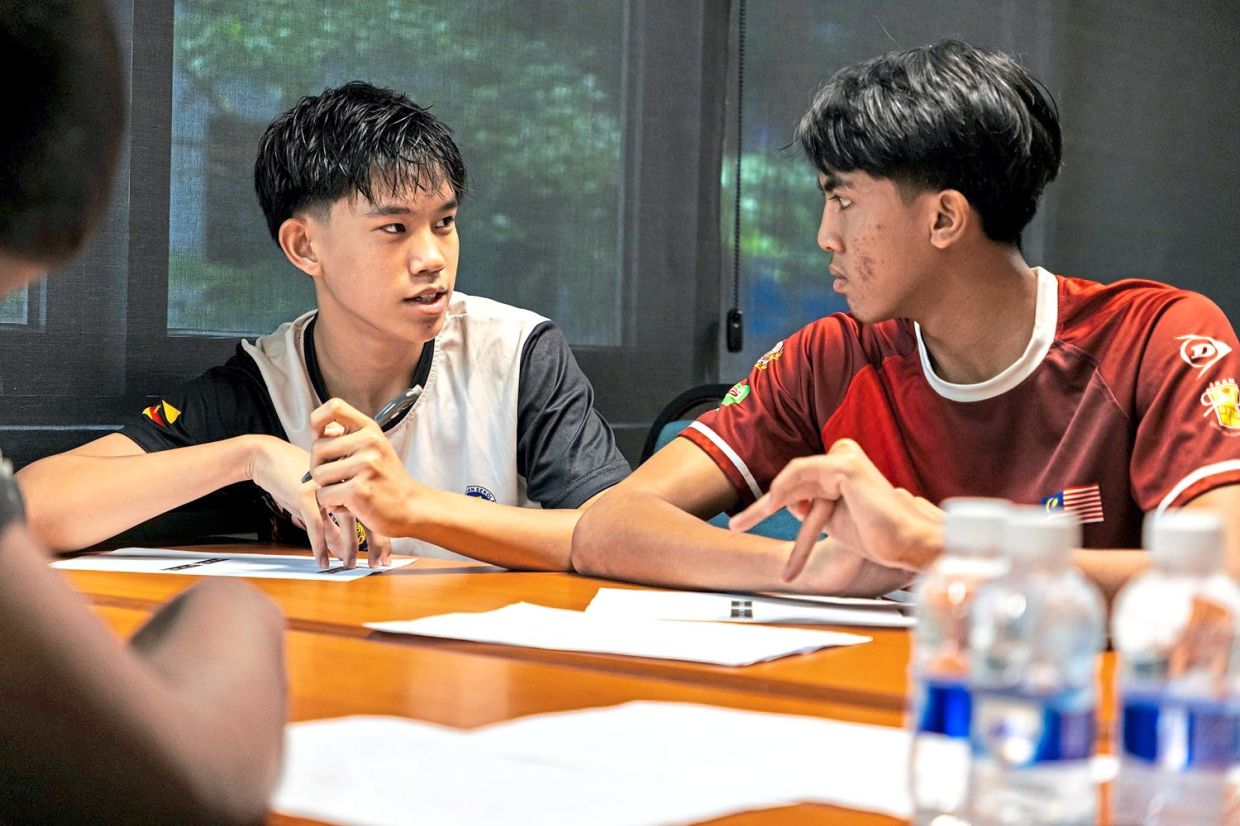
Facilitated by SoP lecturers Mohamad Hilmi Mhd Najri and Tan Wei Yu, the workshop also helped players understand how stress affects performance, decision-making and physical readiness.
Through interactive discussions and activities, athletes explored the difference between productive stress that sharpens focus and excessive stress that can cloud thinking, create tension and affect performance.
APCA chairperson and workshop initiator Hema Latha Krishna Nair said the session blended foundational psychoeducation with active and reflective learning to equip student-athletes with practical psychological tools to manage pressure and perform at their best, both on and off the field.
“By understanding the difference between positive and negative stress, they gained greater awareness of how emotions influence both their minds and bodies,” she explained.
She added that through activities such as body tracking, cognitive restructuring and reflective peer support, the players learnt to recognise unhelpful thought patterns, build mental resilience and practise self-compassion.
“These are essential life skills that not only enhance sporting performance but also strengthen teamwork, confidence and overall well-being in the face of challenges,” she said.