
IMAGINE a tourist from Britain arriving in Kuala Lumpur and heading straight to a light rail transit (LRT) station.
Instead of purchasing a token or Touch ’n Go card, he simply taps his credit card at the fare gate and begins his journey.
That was the scenario cited by the Transport Minister when explaining the benefits of an open payment system for Klang Valley’s public transport network in 2023.
Similar assurances followed in 2024 and 2025.
Most recently, Prasarana Malaysia Bhd announced that the project remained at the tender award stage.
The concept is hardly new.
Many cities already allow passengers to use credit cards, debit cards and e-wallets directly at fare gates.
The issue today is no longer whether the system should be implemented, but what happened to the timelines that were announced.
In October 2023, Parliament was informed that full implementation was expected by August 2025.
In March 2024, open payments for Rapid KL buses were expected by the end of the year.
By January 2025, however, the tender process had yet to be finalised due to issues relating to tender evaluation.
More than a year later, the project remains at the award stage.
Delays are not unusual in large infrastructure and technology projects.
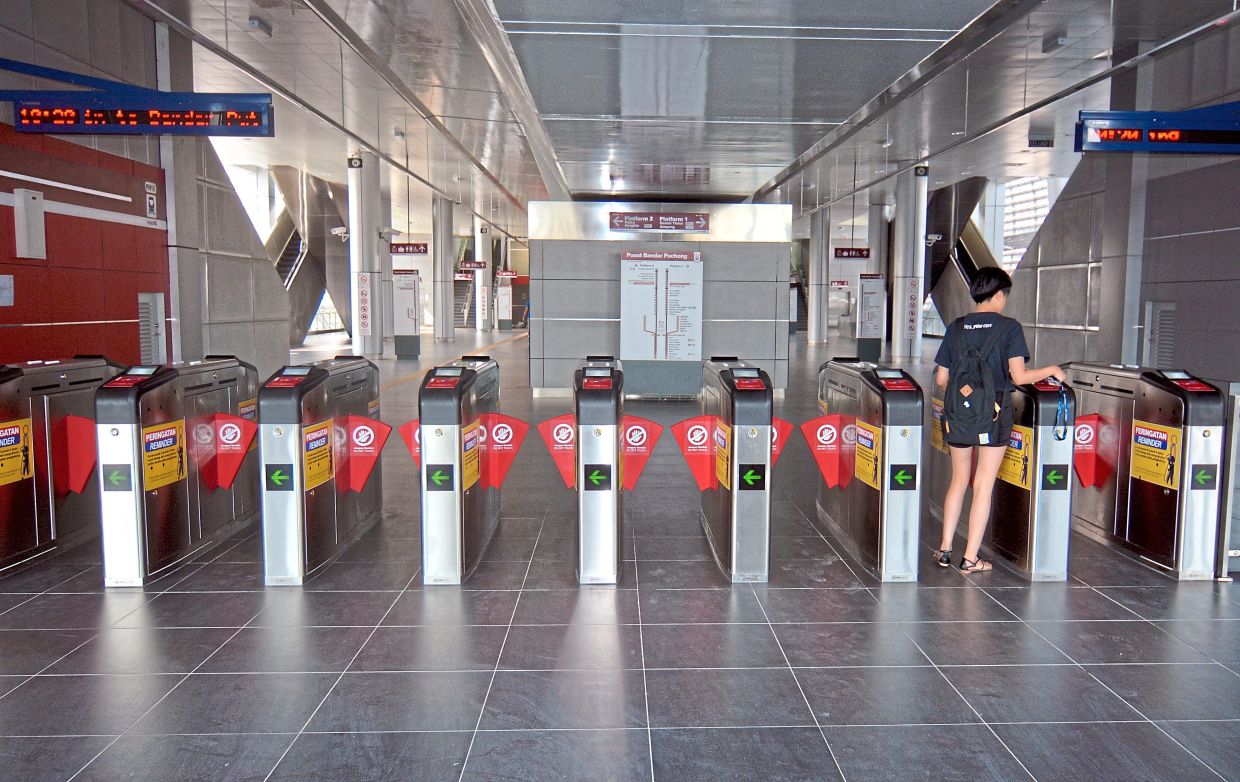
Hong Kong’s mass transit railway (MTR) system, for example, spent years modernising its fare collection method before introducing open-loop payments.
The project involved extensive infrastructure upgrades and significant investment.
Importantly, the MTR operator publicly communicated its rollout phases, implementation milestones and expected completion timeline.
Complexity may explain why projects take time. It does not explain why progress remains difficult to assess.
But acknowledging complexity is not the same as accepting a lack of transparency.
The public has been told that tender-related issues arose during the evaluation process. Beyond that, little has been explained.
Were there insufficient qualified bidders? Were there disputes over technical specifications or pricing? How did those issues affect the timelines that had already been announced?
These are legitimate questions.
The public is not asking for access to procurement deliberations or commercially sensitive information.
But there is a significant difference between protecting sensitive information and leaving the public in the dark.
Citizens can reasonably expect to know whether delays stem from technical challenges, procurement disputes, budgetary considerations or implementation issues.
Without such explanations, it becomes difficult to distinguish between a project that is progressing more slowly than expected and one that has simply fallen behind its commitments.
Repeated assurances that implementation is just around the corner may provide temporary reassurance, but they also risk normalising a cycle in which commitments are renewed while unanswered questions accumulate.
Over time, this can create the impression that public attention is expected to move on before meaningful accountability is required.
The open payment system will likely arrive eventually.
The more important question is whether the public will ever receive a clear account of why successive timelines were missed and what, if anything, has changed since the original promises were made.
Citizens are capable of understanding setbacks and delays.
What undermines confidence is not that projects encounter difficulties, but that explanations often remain elusive.
In public administration, accountability is not demonstrated by repeating a commitment.
It is demonstrated by explaining what happened when that commitment was not delivered as promised.
SHING SI YAN
Kuala Lumpur