
Plan to attract digital nomads could bring more business to the neighbourhood while making its streets greener and safer for everyone
PICTURE a morning in Pulau Tikus a few years from now.
A young British designer sits in a kopitiam, sipping coffee while working on her laptop. At the next table, a Japanese software developer is having breakfast before joining an online meeting.
Neither is on holiday. They work for companies thousands of kilometres away but have chosen Penang as their temporary home.
They rent rooms here, eat at the hawker stalls, shop at the neighbourhood stores and spend their evenings exploring the island.
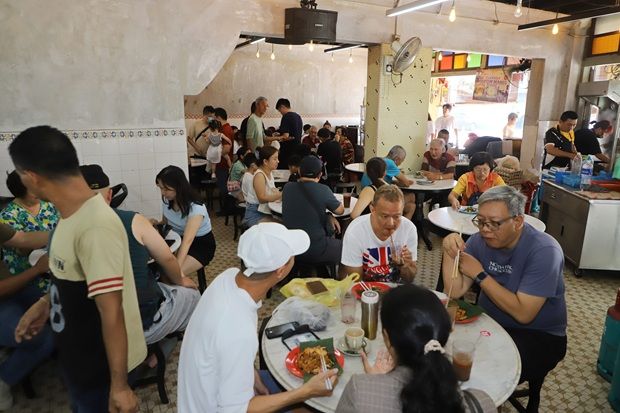
These are digital nomads, people who can work from almost anywhere in the world as long as they have a computer and a reliable internet connection.
And Pulau Tikus assemblyman Joshua Woo Sze Zeng wants more of them to make his constituency their home away from home.
His idea is to turn Pulau Tikus into a hub for these travelling professionals, bringing more customers to local businesses and opportunities for young Penang entrepreneurs.
It is not such a far-fetched idea.

In October, a study by Click Intelligence ranked Penang first among 26 cities in 15 countries for affordable living among digital nomads.
A 2023 survey by the Malaysia Digital Economy Corporation found these professionals spent an average of about RM8,000 a month in Malaysia, particularly on accommodation, food and tourism.
Pulau Tikus, Woo believes, has much to offer them.
The neighbourhood has been welcoming people from different parts of the world for more than two centuries.
Among its early settlers were Portuguese Eurasians who fled trouble in Phuket in the early 1800s and established Kampung Serani around the Church of the Immaculate Conception.
Siamese and Burmese communities made their homes nearby, leaving a legacy that survives in the area's places of worship and cultural traditions.
Over the generations, Pulau Tikus grew into a lively neighbourhood of homes, markets, kopitiams, schools, shops and modern commercial buildings.
Today, its mix of old and new, widely spoken English, healthcare facilities and proximity to Gurney Bay, the Botanic Gardens and George Town make it a promising place for people working remotely.
But there is still work to do to make Pulau Tikus "nomad-ready".
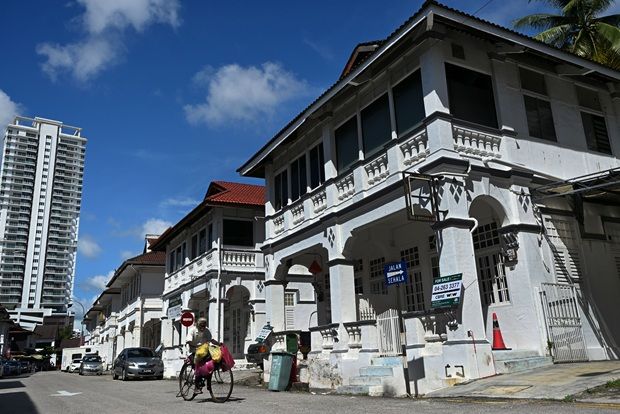
Some pavements are uneven, some end abruptly and crossing busy roads can be a challenge. Along certain stretches, there is hardly a tree to shelter pedestrians from the sun.
Woo wants to change this through a plan he calls GLOW, short for Green, Liveable, Optimised and Walkable.
The plan calls for more trees and shade, cleaner surroundings, better public facilities and streets where people can walk safely.
He proposed that the Penang Island City Council (MBPP) inspect pedestrian facilities within three months to identify damaged pavements, missing connections, dangerous crossings and places needing more shade.
Among the improvements he suggested were better walking routes linking Jalan Macalister, Jalan Perak, Jalan Pangkor, Lebuhraya Codrington and Lebuhraya Peel.
He wants safer crossings at busy junctions, better bus stops and more convenient access to shops, parks and healthcare facilities.
His goal is for people to reach many of their everyday destinations within a comfortable 10 to 15-minute walk.
For digital nomads, such improvements would make Pulau Tikus a more attractive place to stay and work.
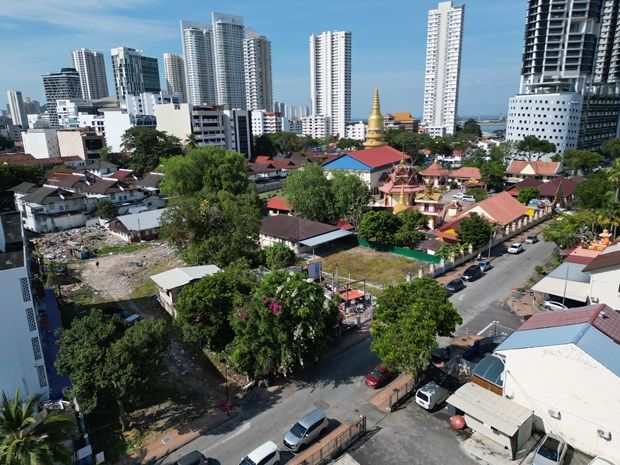
For local businesses, more visitors could mean more customers, while young entrepreneurs might find opportunities to work with professionals from overseas.
The greatest attraction of GLOW may be what it offers people who have lived here all their lives.
An elderly resident walking to the market would have safer pavements. Parents taking their children out would have more shade. Those who depend on buses would have better places to wait.
Woo hopes the state government and MBPP will turn these ideas into a practical plan with funding and clear targets.
The digital nomads may come and go, but the trees, pavements and safer streets would remain for the people of Pulau Tikus.