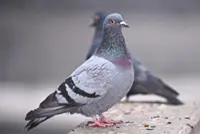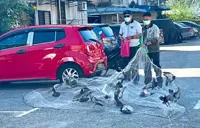
LEFT unchecked, 1,000 breeding pairs of pigeons could produce as many as 12,000 offspring within a year.
Penang Island City Council (MBPP) environmental health subcommittee chairman Lee Seng Hwai said pigeons bred particularly quickly, with each pair capable of producing up to 12 offspring a year.
Large populations of pigeons and crows pose health and sanitation problems, especially from their droppings.
He said crows could scavenge and snatch food at places such as wet markets, increasing the risk of pathogens being transferred from animals to people.
Despite some Penang citizens’ sympathy for the birds, the city council has to keep these populations under control before serious problems emerged, Lee said.
“We do not want to wait until something bad happens.
“We understand that some people may not want the council to cull them, but we have a responsibility to take measures to prevent health problems.
“We need to keep their numbers under control,” he told StarMetro.
From January to September, MBPP culled 14,185 crows and 12,004 pigeons.
Its latest operation saw 211 crows and 569 pigeons culled in Paya Terubong, Farlim, Jalan Zoo and Air Itam.
An MBPP spokesman said these operations were carried out four times a month, with 36 crow and pigeon hotspots identified across the island.
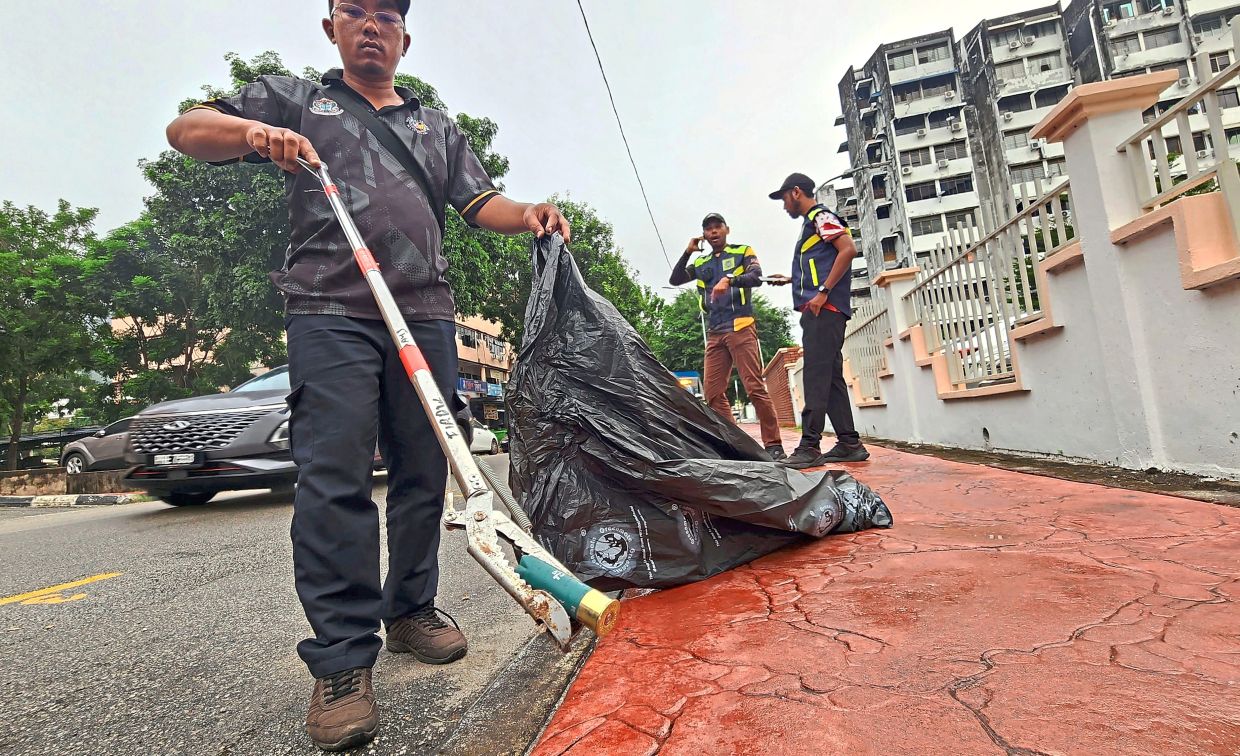
Lee said nets were previously used to catch the birds but were no longer sufficient.
Destroying nests helped control crows but this measure was less effective against pigeons as their nests were often concealed in roofs and small spaces, he said.
According to him, the city council regularly received complaints about crow and pigeon droppings.
Lee said large accumulations of pigeon droppings could pose health risks, particularly when they dried out.
The MBPP spokesman said pigeon droppings could harbour pathogens associated with illnesses such as psittacosis, histoplasmosis and cryptococcosis.
Crows could become aggressive during nesting periods and swoop or dive at pedestrians, posing a particular risk to children and the elderly.
The MBPP spokesman said the council’s control operations produced a visible but temporary reduction in bird numbers, which gradually rose again where food and nesting sites were readily available.
According to him, from January to August, MBPP issued 86 compounds for feeding birds in public places under Section 47(1)(g) of the Street, Drainage and Building Act 1974.
He said controlling avian food sources was as important in reducing bird numbers.
The public and businesses are urged not to feed birds or leave food waste in the open, while scraps should be properly disposed of and rubbish bins kept securely covered.