THE expansion of Penang’s air links will create greater demand for qualified tour guides, in particular those who can communicate in Korean and languages spoken in European Union (EU) countries.
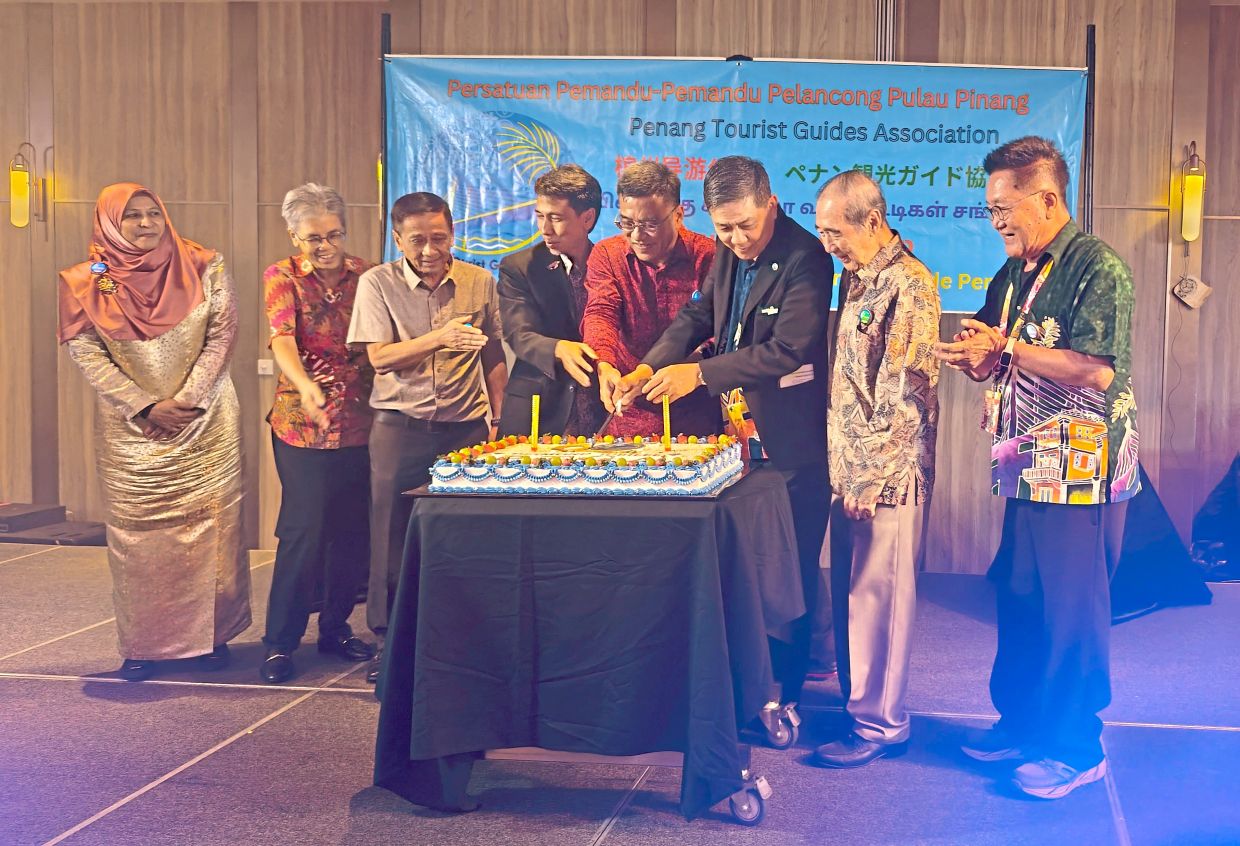
“There will be a fresh wave of international connectivity to the state, with more direct flights expected to open up new tourism markets,” said Penang Tourist Guides Association (PTGA) president Clement Liang after a PTGA 60th Diamond Jubilee Anniversary Celebration luncheon.
“Penang is doing very well in the tourism industry, and guides are needed.”
Hence, he is encouraging unregistered guides to join the association, saying the industry needs a clearer picture of the number of guides in the state.
“We do not know how many there are locally, but they are recognisable by the absence of identification badges. I don’t think there are that many,” said Liang.
The luncheon was attended by Penang tourism and creative economy committee chairman Wong Hon Wai, Tourism, Arts and Culture Ministry Penang branch director Dr Annuar Mohamed and Penang Global Tourism director Kenneth Tan.
Wong, in his speech, said PTGA had played a leading role in Malaysia’s tourism industry since it was established and now has more than 700 registered licensed guides who can conduct tours in more than 10 languages.
He said the expansion of international connectivity would require the tourism industry to strengthen its pool of professional guides and develop expertise in languages, digital technology, heritage interpretation and designing experiences for visitors.
“Flights alone do not make a destination. They only make an arrival.
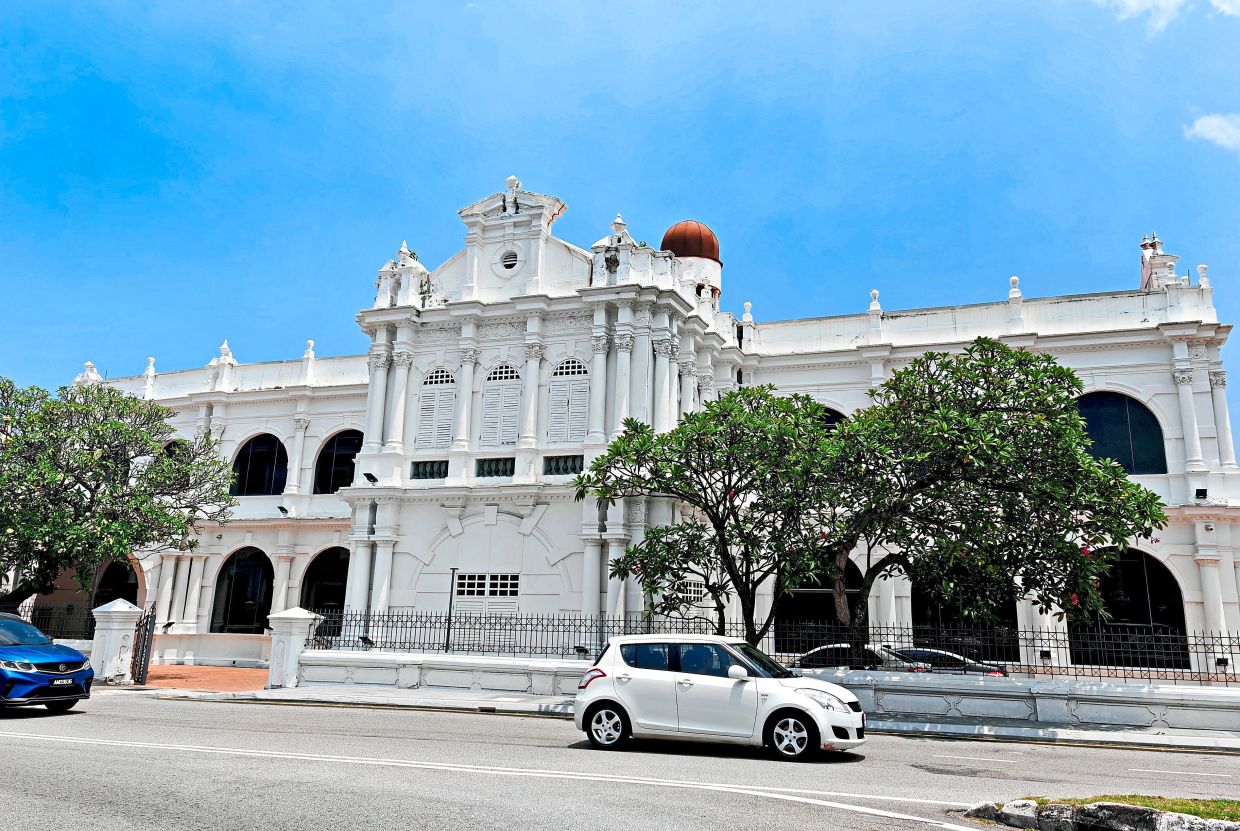
“Two of George Town’s significant heritage landmarks, namely the Penang State Museum and Fort Cornwallis reopened this year following restoration works, creating new stories and experiences for guides to share with visitors.
“Anyone can tell a visitor what a building is. Very few can tell them why it still matters and that is not a small distinction.
“It is the entire value of this profession, and it has only grown,” he said.
Wong said Penang’s appeal went beyond individual attractions, combining its Unesco World Heritage city, multicultural society, food culture, creative economy, medical tourism, nature, festivals and the Unesco Biosphere Reserve of Penang Hill.
“Guides play an important role in connecting these elements and helping visitors understand what makes Penang distinctive.
“Penang must be connected to more markets, not fewer,” he said.
Among the new services are direct flights to Phuket, Thailand, and Qingdao, China, while the inaugural Haikou-Penang service is scheduled to begin on Oct 11, followed by the Batam-Penang inaugural flight on Oct 18.
Penang is also pursuing potential routes to Jeddah in Saudi Arabia and Jinan, Wuhan, Lanzhou and Beijing in China, while charter connections with Japan and Poland are being explored.
Wong said some of the proposed routes were “more or less” confirmed, while others were in the pipeline.
Liang said tour guides do more than show visitors around, adding that they are also storytellers, cultural ambassadors and passionate advocates of the state.
PTGA also has an international role, being a full member of the World Federation of Tourist Guides Associations based in Vienna, Austria, as well as the Malaysian Tourist Guides Council.
Wong said PTGA’s contribution to tourism dated back decades, including conducting tours for delegates who attended Malaysia’s first Pacific Asia Travel Association annual conference in 1972.
He added that PTGA marked every International Tourist Guide Day with free guided tours.
“The government can only do half the work. We can build the infrastructure, open the routes and promote Penang abroad.
“But we have to depend on the guides to stand in front of a visitor and make them understand what this place means,” said Wong.
PTGA, which was founded and registered on Sept 27, 1966, is the oldest association for tourist guides in Malaysia and among the earliest in South-East Asia.