JOHOR is strengthening its food security agenda through the development of Permanent Food Production Parks (TKPM), with nine such sites now operating across five districts in the state.
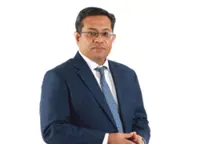
State agriculture, agro-based industry and rural development committee chairman Md Israk Abdullah said the nine TKPMs covered 509.2ha, comprising 88 lots.
The parks, he said, played an important role in strengthening the state’s food supply while contributing to economic development at both state and district levels.
“TKPM is one of the important efforts to strengthen Johor’s food security agenda,” said Md Israk.
Rhe programme, which began in 2001, he said, would continue to support the state’s economic development agenda through the Johor Economic Transformation Plan, particularly in the agriculture sector.
“The strong performance of the TKPM is the result of continuous support from the state government through the Agriculture Department, as well as the commitment and investment of agricultural operators.
“Johor’s TKPM performance is also commendable as the state has emerged as one of the country’s top agriculture producers and received the Best TKPM Coordinator award at the national level in 2024.”
Md Israk said he had visited the TKPM in Ulu Tiram to observe the agricultural production process, from planting and harvesting to the collection, packaging and preparation of produce.
He said the Ulu Tiram TKPM, developed in 2001, covered 32.8ha and was one of Johor’s vegetable production areas.
“The Ulu Tiram TKPM produced more than 3,000 tonnes of yield last year, with a production value of RM7.6mil.”
The Kukup assemblyman also said the site had also been recognised as a five-star TKPM by the Agriculture Department.
Three operators at the Ulu Tiram TKPM, he said, cultivated various types of vegetables, herbs and spices to meet market demand.
Among the crops grown were lettuce, mustard greens, chives, spinach, pandan leaves and Vietnamese coriander (daun kesum).
Md Israk said visiting the farm provided him a first-hand view of how each stage of the production process was interconnected to ensure a continuous supply of quality food reached the market and consumers.
“At the same time, TKPM also provides opportunities for operators to continue expanding their agricultural businesses.”