Inside the ring, he is just another national Muay Thai athlete aiming to win a medal for Malaysia.
But Ahyan (not his real name) has not risen through sports schools or elite training academies to represent the country.
When competitions end, he does not return home or to a national sports training hub.
Instead, he heads back to Sekolah Henry Gurney in Telok Mas, Melaka.
Ahyan, 20, was one of two trainees from the juvenile rehabilitation institution selected to represent Malaysia at IFMA Muay Thai World Champion-ships in Kuala Lumpur last June.
The two are also the first trainees from the school to earn national athlete status.
This is far from an isolated sports success story, however.
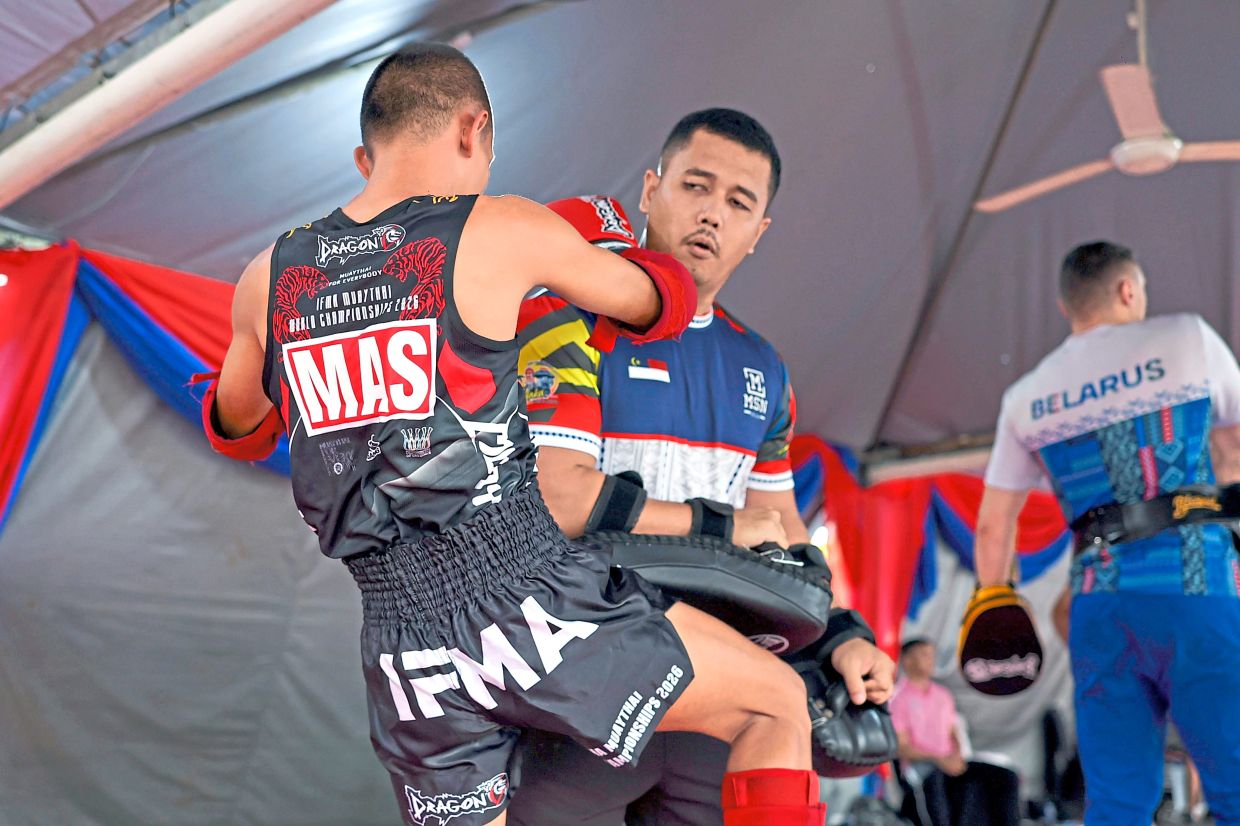
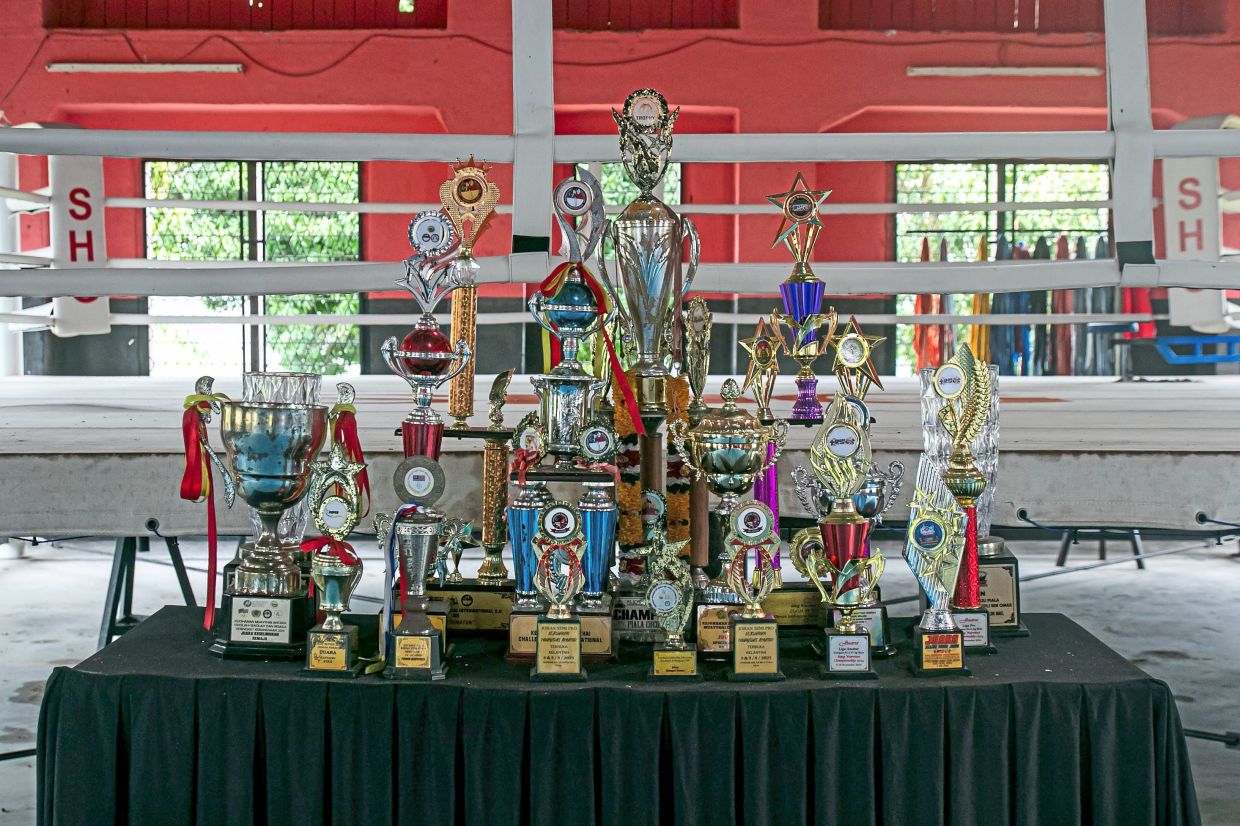
Since 2018, trainees from the school have represented Melaka at every edition of the Malaysia Games (Sukma).
Their achievements show that the institution is not merely a place for rehabilitation, but also a platform for young people to rebuild their lives and contribute to society.
Finding new hope
For Ahyan, wearing national colours was something he never imagined possible.
“I couldn’t believe it. I never thought someone from Sekolah Henry Gurney could represent Malaysia when there were many better Muay Thai athletes out there,” he told Bernama.
His journey into Muay Thai began after he entered the institution at 17.
Without access to state-of-the-art facilities or specialised coaching, he honed his skills with modest equipment under the guidance of wardens and external coaches.
His natural talent soon emerged, along with a passion for the sport.
More importantly, Muay Thai changed his outlook on life.
“Every time I competed outside, I pictured the future I wanted for myself.
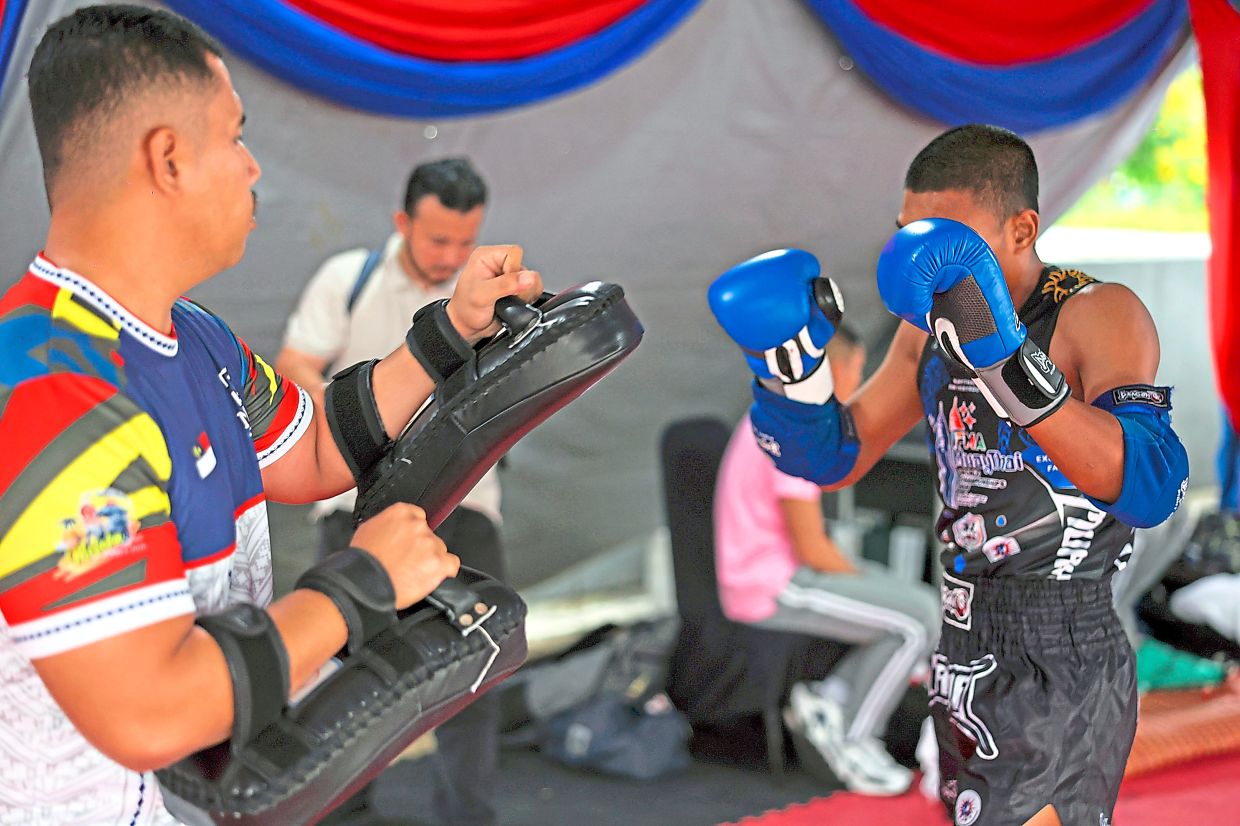
“I used to drift through life without direction, but sports taught me discipline,” said Ahyan, who began representing the school at age 18.
Erasing the stigma
For Ahyan, sports has become more than a pursuit of medals.
It has taught him discipline, time management and self-belief, giving him confidence that he can rebuild his future despite past mistakes.
When asked about the lowest point in his life, he did not talk about his court-mandated sentence.
Instead, he spoke of disappointing his family.
“I brought shame to my family.
“This is the only way to make them proud again,” he said.
Today, Ahyan steps into the ring with a purpose beyond victory: to show that young people who have made mistakes can still turn their lives around.
“Society may look down on young offenders like us, but I want to prove that we can succeed just like everyone else.
“The only difference is that others are outside, while I’m in a rehabilitation institution.”
Strangely, the sweetest moment of his sporting journey for him was not the fact that he was selected for the national team, but winning a tournament in Johor early in his Muay Thai journey.
Ahyan said his family travelled to support him, making the victory even more meaningful.
It was the first time he felt his efforts to turn his life around had made his mother proud.
“I told my mother, ‘Maybe I’m not good enough in school, but I’ll do my best in something I truly love.’
“She replied, ‘It’s okay... you’ve already made it.’”
Akil, 21, discovered Muay Thai soon after entering the school at age 17.
He had never been actively involved in sports previously.
“When I came here, I realised sports could lead me towards a better life,” he said, explaining that he chose Muay Thai because he was drawn to the martial art.
His decision eventually earned him a place in the Malaysian team for the IFMA Muay Thai World Championships.
Like Ahyan, Akil struggled to believe the news.
“I thought they were joking. Even when my coach told me I had been selected to represent Malaysia, I couldn’t believe it.”
For Akil, wearing the national kit is just the beginning.
More importantly, he is eager to prove that those who have lost their way can change, rebuild their lives and succeed.
“I want to prove that youths like me can succeed despite their troubled past as a young offender.
“Even if someone had made mistakes, nothing should stop them from achieving success in life,” he emphasised.
Akil considers this his final opportunity to change, and he is determined to make it count.
From inmate to world champ
The transformation experienced by Ahyan and Akil has been achieved by former trainee Muhammad Hairi Mahmad, 26, better known as Harry, who went on to become a world champion.
Looking back, Harry said being detained as a teenager ultimately became a blessing in disguise.
“I can say that I’m thankful to have been sent to Sekolah Henry Gurney.
“Otherwise, I don’t know where I would have ended up.
“That was where I learned discipline, respect for my coaches, obedience and determination to achieve my goals,” he said, adding that Muay Thai became his turning point.
After first representing the Federal Territories, Harry earned a place in the Malaysian team before winning the 2022 World Youth Muay Thai Championships in Abu Dhabi, the UAE.
“When I won, I felt grateful, happy and deeply moved.
“It’s not easy to compete overseas and return home with a medal.
“It is an experience I will never forget,” said Harry.
Success also changed how others viewed him.
The Setiu, Terengganu-born athlete said he initially faced prejudice after his release.
“At first, people looked at me differently.
“But after appearing on television, being featured in newspapers and competing regularly, they gradually accepted me.
“Sometimes when I eat at local restaurants, people won’t even let me pay,” said Harry, who now works as a Muay Thai coach at a gym in the Klang Valley.
Society’s role
Malaysian Muaythai Association general manager Saifulnizam Mohd Shahar said Harry’s story was one of many examples of former Henry Gurney trainees rebuilding their lives through sports.
“Several have continued competing after their release, with some emerging as champions at various levels.”
He said the association encouraged former trainees to join Muay Thai clubs through its state affiliates, allowing them to continue developing as athletes.
However, he stressed that rehabilitation depended not only on discipline fostered at the institution, but also on society’s willingness to accept them after their release.
“What matters most is how society responds,” he said.
“If former Henry Gurney trainees continue to face rejection and isolation, reintegration becomes much harder and the risk of reoffending increases,” Saifulnizam stated.